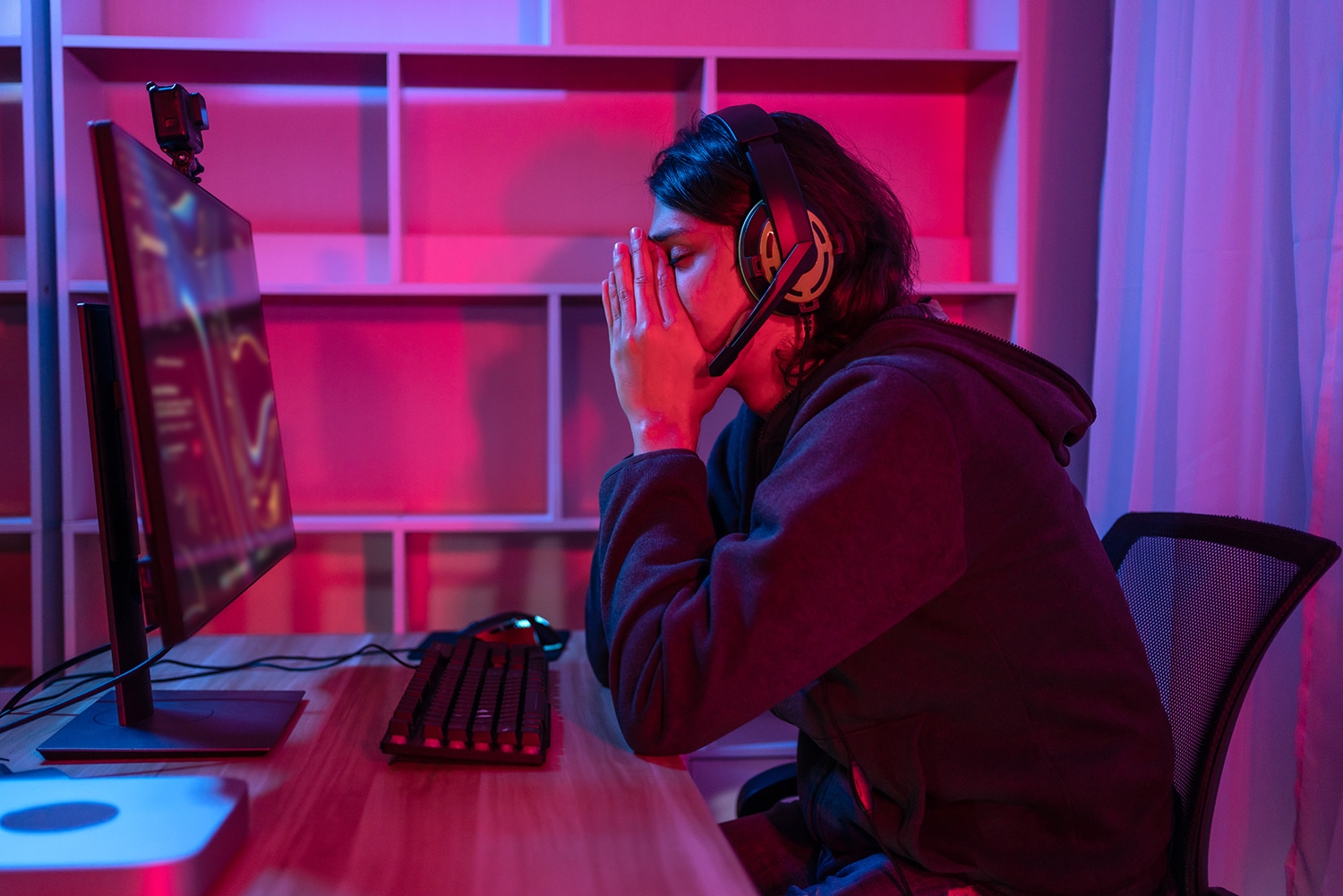
Healing Beyond the Game: Tools and Support for Overcoming Gaming Addiction

Online gaming can offer entertainment, social connection, and a sense of achievement. For many, it is a healthy hobby that enhances daily life. However, when gaming begins to interfere with work, relationships, or emotional well-being, it may signal the onset of an addiction. Healing beyond the game requires understanding the root causes of compulsive gaming and accessing tools and support that foster balance, emotional resilience, and long-term recovery.

Understanding Gaming Addiction

Gaming addiction, also called gaming disorder, occurs when playing video games becomes the primary focus of daily life, often at the expense of responsibilities, social connections, or personal health. Addiction is not a sign of personal failure or weakness. It is a behavioral pattern that can be addressed with structured support, compassionate guidance, and practical strategies.

Signs That Gaming May Be Affecting Your Life

Recognizing the early signs of gaming addiction is crucial. Look for patterns such as:

  • Prioritizing gaming over work, school, or family responsibilities
  • Feeling anxious, irritable, or restless when unable to play
  • Using gaming to escape negative emotions, stress, or boredom
  • Neglecting physical health, sleep, or social relationships
  • Continuing to game despite clear negative consequences

Identifying these patterns is the first step toward meaningful change and recovery.

Professional Support and Recovery Options

Breaking free from compulsive gaming often requires more than self-discipline. Professional addiction recovery services provide structure, guidance, and therapeutic interventions to help individuals regain control.

Individualized Care Plans

Inpatient and outpatient programs offer tailored treatment plans based on individual needs. These plans may include therapy, counseling, life skills training, and holistic support. Faith-based or spiritually oriented programs can further enhance recovery by addressing emotional and spiritual well-being.

Mental Health Integration

Compulsive gaming is often linked to underlying mental health concerns such as anxiety, depression, or trauma. Addressing these conditions alongside gaming behaviors increases the likelihood of long-term recovery and strengthens overall emotional resilience.

Practical Tools to Support Recovery

While professional support is essential, individuals can also implement practical strategies to reduce gaming dependence and rebuild balance in their daily lives.

Set Structured Limits

Create clear schedules for gaming, incorporating other activities such as exercise, hobbies, social engagement, or work responsibilities. Structured limits help prevent overuse and promote healthy routines.

Identify Triggers and Develop Coping Strategies

Understanding what prompts excessive gaming is key. Stress, boredom, and emotional discomfort are common triggers. Mindfulness, meditation, journaling, or physical activity can serve as healthier coping mechanisms.

Build a Support Network

Sharing your journey with trusted friends, family, or peer support groups provides accountability and encouragement. A compassionate support network reinforces positive change and reduces isolation.

Engage in Holistic Practices

Incorporating physical activity, balanced nutrition, and spiritual or faith-based practices strengthens emotional resilience and overall well-being. Holistic approaches help manage stress and improve quality of life during recovery.

Moving Toward a Balanced Life

Recovery is not about eliminating fun or leisure activities. It is about regaining control, fostering healthy habits, and creating a life where gaming can remain a positive, balanced activity. With the right support and practical tools, individuals can heal beyond the game and cultivate meaningful connections, personal growth, and mental clarity.

Take the First Step Toward Healing

If gaming has begun to interfere with your life or emotional health, seeking help is the first step toward recovery. Compassionate addiction recovery services offer individualized care, holistic support, and guidance to help you regain balance and rebuild your life.

You do not have to face this journey alone. Reach out today to explore professional treatment options and begin your path toward a healthier, more fulfilling life beyond the screen.
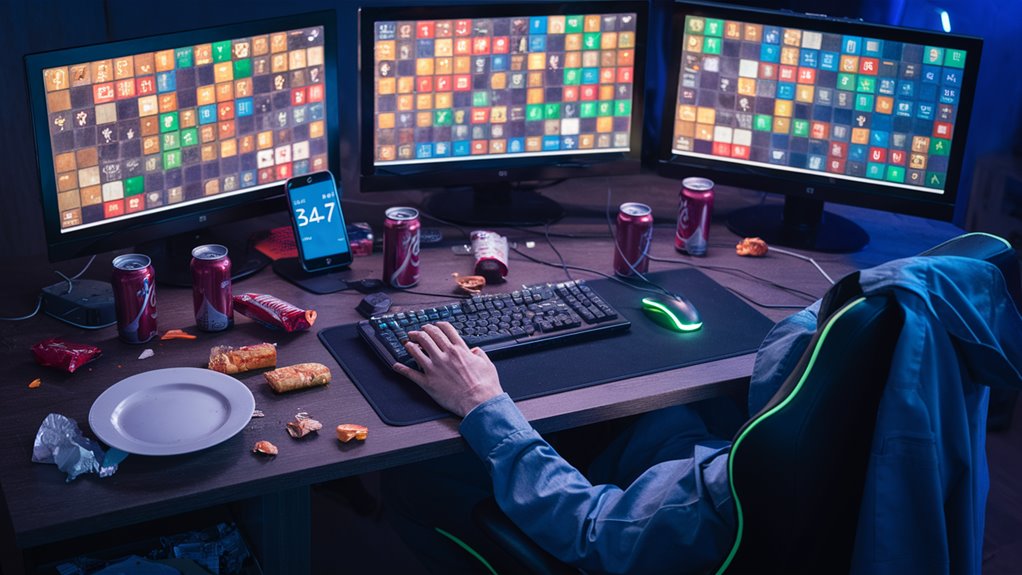
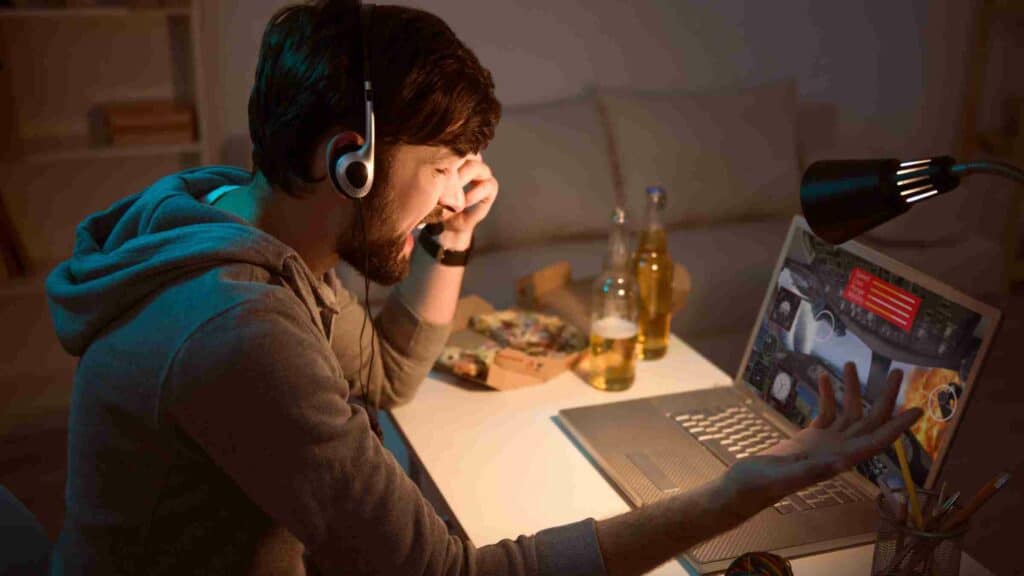
From Play to Purpose: Strategies to Control Online Gaming Without Shame

Online gaming is a popular way to relax, connect with others, and experience a sense of achievement. For many people, it remains a healthy and enjoyable hobby. However, when gaming begins to consume large amounts of time and interfere with responsibilities, relationships, or mental well-being, it may signal a deeper concern. Learning how to control online gaming without shame is an important step toward restoring balance, improving mental health, and rediscovering purpose.

Understanding Online Gaming Addiction

Online gaming addiction, often referred to as gaming disorder, develops when gaming becomes a primary focus in daily life. Individuals may begin to prioritize gaming over work, school, personal responsibilities, and social relationships. This pattern can gradually impact emotional health, physical well-being, and overall quality of life.

Addiction is not a character flaw or a lack of discipline. It is a behavioral health condition that often develops as a coping mechanism for stress, anxiety, loneliness, or unresolved emotional challenges. Recognizing this allows individuals to approach recovery with compassion rather than guilt.

Signs That Gaming May Be Taking Control

Understanding the warning signs can help individuals seek support early. Common indicators include:

  • Spending more time gaming than intended on a regular basis
  • Difficulty reducing playtime despite negative consequences
  • Feeling irritable, anxious, or restless when unable to game
  • Neglecting personal responsibilities or relationships
  • Using gaming to avoid stress, sadness, or difficult emotions

These patterns suggest it may be time to explore healthier ways to manage stress and daily demands.

Replacing Shame With Self-Compassion

Shame often prevents people from seeking help. Many individuals struggling with compulsive gaming blame themselves or fear judgment from others. However, recovery begins with understanding that addiction is a treatable condition, not a personal failure.

Self-compassion encourages honest self-reflection without harsh criticism. When individuals approach change with patience and understanding, they are more likely to develop sustainable habits and seek appropriate support.

Why Compassion Matters in Recovery

Compassion reduces defensiveness and promotes openness to change. Instead of focusing on mistakes, individuals can concentrate on solutions, personal growth, and rebuilding healthy routines. A supportive and respectful environment makes it easier to take meaningful steps toward recovery.

Practical Strategies to Regain Control

Breaking free from compulsive gaming involves practical tools and structured support. These strategies can help individuals transition from excessive play to purposeful living.

Set Healthy Boundaries

Establish specific time limits for gaming each day and commit to them. Scheduling other important activities such as work, exercise, and social time creates a balanced routine that supports overall well-being.

Identify Emotional Triggers

Many people turn to gaming to escape emotional discomfort. Identifying triggers such as stress, boredom, or loneliness allows individuals to develop healthier coping skills. Mindfulness, journaling, and relaxation techniques can reduce the urge to rely on gaming for emotional relief.

Build Meaningful Offline Activities

Replacing screen time with fulfilling activities helps restore balance. Exercise, creative hobbies, volunteering, and spending time with loved ones provide purpose and strengthen emotional health.

Seek Professional and Holistic Support

Professional addiction recovery services provide structured care tailored to individual needs. Inpatient and outpatient treatment programs offer therapeutic guidance, accountability, and life skills training. Holistic approaches address mental, emotional, and spiritual wellness, creating a comprehensive recovery experience.

Faith-based support can also provide comfort, direction, and renewed purpose for individuals who value spiritual growth as part of their healing journey.

Strengthen Your Support Network

Recovery is easier when individuals feel understood and supported. Trusted friends, family members, counselors, and peer support groups can provide encouragement and accountability throughout the recovery process.

Rediscovering Purpose Beyond the Screen

Online gaming can remain a positive activity when balanced with real-world responsibilities and personal growth. Recovery is not about eliminating enjoyment. It is about creating a lifestyle where gaming no longer controls time, emotions, or priorities.

With structured guidance, compassionate care, and practical tools, individuals can rebuild confidence, strengthen relationships, and pursue meaningful goals that bring long-term fulfillment.

Take the First Step Toward Positive Change

If online gaming has begun to interfere with your life, you are not alone and help is available. Compassionate addiction recovery services and mental health treatment programs provide personalized care designed to help individuals regain control and restore balance.

Taking the first step can feel difficult, but it is also empowering. Reaching out for professional support opens the door to healing, growth, and a healthier relationship with gaming and daily life. A more balanced and purposeful future is possible with the right guidance and care.

Escaping the Screen: Compassionate Approaches to Managing Online Gaming Addiction

Online gaming can be entertaining, social, and mentally stimulating. For many, it is a positive part of daily life. However, when gaming begins to interfere with responsibilities, relationships, or emotional health, it may become a problem. Understanding how to manage online gaming addiction with compassion and professional support is essential for regaining control and achieving long-term balance.

Understanding Online Gaming Addiction

Online gaming addiction, also known as gaming disorder, occurs when gaming becomes the primary focus of daily life. It can affect work performance, school responsibilities, and personal relationships. Addiction is not a sign of weakness or failure. It is a behavioral pattern that develops over time and can be addressed with structured support and compassionate care.

Signs of Problematic Gaming

Recognizing the signs of addiction early can help individuals take action before challenges escalate. Common indicators include:

  • Prioritizing gaming over work, school, or social obligations
  • Feeling anxious, irritable, or restless when unable to play
  • Using gaming as a way to cope with stress, sadness, or boredom
  • Neglecting personal hygiene, physical health, or meaningful activities
  • Continuing to game despite negative consequences

Awareness of these patterns is the first step toward change.

Compassionate Approaches to Recovery

Addressing online gaming addiction requires a holistic and individualized approach. Recovery is most effective when it considers both behavior and underlying emotional or mental health factors.

Professional Addiction Recovery Services

Inpatient and outpatient programs provide structured support tailored to individual needs. These programs integrate counseling, therapy, and life skills training to help individuals regain balance. Holistic and faith-based approaches may also be included to support mental, emotional, and spiritual wellness.

Mental Health Treatment

Compulsive gaming is often linked to underlying mental health concerns, such as anxiety, depression, or past trauma. Integrating mental health treatment into recovery addresses the root causes of addictive behavior, reducing the likelihood of relapse and promoting long-term emotional stability.

Practical Steps to Regain Control

While professional support is essential, there are practical strategies individuals can adopt immediately:

Set Clear Boundaries

Establish specific gaming times and stick to them. Schedule alternative activities such as exercise, creative hobbies, or social interaction to maintain balance.

Identify Triggers

Recognizing the situations, emotions, or stressors that lead to excessive gaming allows individuals to develop healthier coping mechanisms. Stress, boredom, and emotional discomfort are common triggers that can be managed through mindfulness or structured routines.

Build a Support Network

Engaging with friends, family, or peer support groups provides accountability and encouragement. Sharing experiences in a compassionate environment reduces isolation and reinforces positive change.

Engage in Holistic Practices

Mindfulness, meditation, exercise, nutrition, and spiritual practices strengthen emotional resilience. These practices provide healthy ways to cope with urges, stress, and emotional challenges.

Embracing Balance and Empowerment

Recovery from online gaming addiction is not about eliminating enjoyment. It is about creating control, fostering healthy habits, and building a life where gaming is a balanced and positive activity. With the right support, individuals can regain confidence, strengthen relationships, and maintain mental and emotional well-being.

Take the First Step Toward Recovery

If online gaming is affecting your life or mental health, seeking help is a vital first step. Compassionate, professional addiction recovery services provide individualized care, holistic support, and practical tools to help you reclaim balance.

You do not have to navigate this journey alone. Reach out today to explore treatment options and begin your path toward a healthier, more fulfilling life where gaming remains a positive and controlled part of your routine.

When Gaming Becomes Compulsive: Steps to Reclaim Your Time and Mental Health

Online gaming can be a source of entertainment, social connection, and stress relief. For many, it is a healthy and enjoyable hobby. However, when gaming starts to interfere with responsibilities, relationships, or emotional well-being, it can become compulsive. Recognizing the signs and taking proactive steps to regain control is essential for mental health and overall life balance.

Understanding Compulsive Gaming

Compulsive online gaming is recognized by mental health professionals as a behavioral pattern that can significantly impact daily life. It occurs when gaming becomes the primary focus, often at the expense of work, school, social interaction, or personal care. Compulsive gaming is not a reflection of weakness. It is a learned habit that can be addressed with compassionate support and structured interventions.

Signs That Gaming Has Become Compulsive

Identifying early warning signs helps individuals take action before challenges escalate. Common indicators include:

  • Spending excessive hours gaming, even when it negatively affects daily responsibilities
  • Feeling anxious, irritable, or restless when not playing
  • Using gaming to cope with stress, boredom, or emotional discomfort
  • Neglecting personal relationships, hobbies, or physical health
  • Continuing to game despite recognizing negative consequences

Acknowledging these behaviors is the first step toward meaningful change.

The Importance of Professional Support

Addressing compulsive gaming often requires more than self-discipline alone. Professional support provides guidance, accountability, and access to therapeutic interventions that address both behavior and underlying emotional factors.

Individualized Care Plans

Addiction recovery services, including inpatient and outpatient programs, offer personalized care that meets individuals where they are. Holistic and faith-based approaches integrate mental, emotional, and spiritual well-being, creating a comprehensive path to recovery.

Mental Health Treatment

Compulsive gaming can be linked to underlying mental health concerns such as anxiety, depression, or trauma. Incorporating mental health treatment into recovery ensures these issues are addressed, promoting lasting stability and reducing the risk of relapse.

Practical Steps to Reclaim Time and Mental Health

While professional support is critical, there are actionable strategies individuals can implement immediately:

Set Structured Boundaries

Designate specific times for gaming and stick to them. Incorporate alternative activities, such as exercise, creative hobbies, or social engagement, to create a balanced routine.

Identify Triggers

Understanding what prompts excessive gaming is key to breaking the cycle. Emotional stress, boredom, or social isolation are common triggers. Recognizing these allows for the development of healthier coping strategies.

Build a Support Network

Sharing experiences with trusted family, friends, or peer groups reduces isolation and reinforces accountability. Supportive relationships provide encouragement and motivation during recovery.

Engage in Holistic Practices

Mindfulness, meditation, exercise, nutrition, and spiritual practices strengthen resilience and emotional regulation. These tools help manage urges and promote overall well-being.

Moving Toward Balance and Empowerment

Recovery is not about eliminating fun or enjoyment. It is about reclaiming control, fostering healthy habits, and creating a life where gaming is a balanced part of leisure. By combining compassionate self-reflection, structured routines, and professional guidance, individuals can regain confidence and mental clarity.

Take the Next Step Today

If gaming has begun to dominate your life or impact your mental health, seeking help is a vital first step. Compassionate, professional addiction recovery services provide individualized care, holistic support, and guidance to help you reclaim your time and rebuild balance.

You do not have to face this journey alone. Reach out to a trusted recovery center today to explore treatment options and begin the process of restoring control, purpose, and well-being in your life.

Breaking the Cycle: How to Recognize and Overcome Online Gaming Addiction

Online gaming can be an enjoyable way to relax, connect with friends, and challenge yourself. For many, it is a positive part of daily life. However, when gaming starts to take precedence over responsibilities, relationships, or personal well-being, it may signal the presence of an addiction. Breaking the cycle of compulsive gaming requires awareness, support, and practical strategies that address both behavior and underlying emotional needs.

Understanding Online Gaming Addiction

Online gaming addiction, also called gaming disorder, is recognized by mental health professionals as a behavioral condition. It occurs when gaming becomes the primary focus of a person’s life, often interfering with work, school, social interactions, and emotional health. Addiction is not a reflection of weakness or failure. It is a learned pattern that can be addressed with compassionate guidance and structured support.

Signs That Gaming Has Become Problematic

Identifying early signs of gaming addiction is key to seeking help before challenges escalate. Look for patterns such as:

  • Prioritizing gaming over work, school, or family obligations
  • Feeling restless, irritable, or anxious when unable to play
  • Using gaming as a way to cope with stress, sadness, or loneliness
  • Neglecting personal care, social connections, or hobbies
  • Continuing to game despite negative consequences

Recognizing these behaviors is not about blame. It is about taking actionable steps toward recovery.

Why Professional Support Matters

Breaking the cycle of compulsive gaming often requires more than willpower alone. Professional care provides structured support to help individuals address both the behavioral patterns and underlying emotional or mental health issues that contribute to addiction.

Individualized Treatment Approaches

Each person’s experience with gaming addiction is unique. Inpatient and outpatient programs provide personalized plans tailored to your needs, including therapy, counseling, and life skills development. Holistic approaches can address mental, emotional, and spiritual wellness, offering a comprehensive path to recovery.

Mental Health and Addiction Recovery

Addiction is often connected to underlying mental health challenges, such as anxiety, depression, or trauma. Integrating mental health treatment into recovery ensures that these issues are addressed, reducing the likelihood of relapse and supporting long-term wellness.

Practical Steps to Regain Balance

While professional support is critical, there are actionable strategies individuals can implement to start breaking the cycle:

Set Clear Boundaries

Designate specific times for gaming and adhere to them. Scheduling alternative activities such as exercise, hobbies, or social time encourages balance.

Identify Triggers

Understanding what prompts excessive gaming is key. Stress, boredom, or emotional discomfort can all trigger compulsive play. Recognizing these triggers allows you to develop healthier coping strategies.

Build a Support Network

Connecting with supportive family, friends, or peer groups reduces isolation and reinforces accountability. A strong network can encourage progress and provide encouragement during challenges.

Engage in Holistic Practices

Mindfulness, meditation, nutrition, physical activity, and faith-based or spiritual practices strengthen emotional resilience. These tools support recovery and help individuals manage urges without relying on gaming.

Moving Toward Empowerment

Recovery from online gaming addiction is not about completely eliminating fun. It is about reclaiming control, fostering healthy habits, and building a balanced life. By combining compassionate self-reflection, structured routines, and professional guidance, individuals can regain confidence and purpose.

Take the First Step Today

If online gaming is interfering with your life, seeking support is the first step toward breaking the cycle. Compassionate, professional addiction recovery services provide individualized care, holistic support, and guidance to help you rebuild balance and well-being.

Do not wait to take control. Reach out today to explore treatment options and begin your journey toward a life where gaming is enjoyable, balanced, and empowering.

Healthy Habits Beyond the Screen: Tools for Overcoming Online Gaming Addiction and Rebuilding Balance

Online gaming can be an enjoyable and social activity, but when play starts to interfere with responsibilities, relationships, or mental health, it may signal the presence of an addiction. Overcoming online gaming addiction is not just about stepping away from the screen. It requires adopting practical tools, cultivating healthy habits, and seeking the right support to rebuild balance and regain control of your life.

Understanding Online Gaming Addiction

Online gaming addiction is recognized by mental health professionals as a behavioral disorder. It occurs when gaming becomes the primary focus of daily life, often at the expense of work, school, or social interactions. While gaming itself is not harmful, compulsive behavior can affect emotional well-being, physical health, and overall quality of life.

Signs That Gaming May Be a Problem

Identifying early warning signs is an important step in recovery. These may include:

  • Prioritizing gaming over essential responsibilities
  • Feeling restless, anxious, or irritable when unable to play
  • Neglecting social relationships and hobbies
  • Using gaming as a way to cope with stress, anxiety, or depression
  • Experiencing guilt or shame but continuing the behavior

Recognizing these signs is not about blame. It is about understanding patterns and taking proactive steps toward recovery.

Building Healthy Habits Beyond the Screen

Recovery involves replacing compulsive gaming with structured and meaningful activities that support well-being. The following strategies can help establish balance:

Establish a Structured Routine

Creating a daily schedule with set gaming limits helps maintain perspective. Include time for work, self-care, exercise, social activities, and leisure that does not involve screens. Structure fosters stability and reduces the temptation to overindulge.

Engage in Physical Activity

Regular exercise promotes mental health, reduces stress, and provides a healthy alternative to gaming. Activities like walking, yoga, or team sports can help restore energy, improve focus, and boost overall well-being.

Practice Mindfulness and Emotional Awareness

Mindfulness, meditation, and journaling encourage self-reflection and emotional regulation. These practices provide healthy ways to cope with stress, anxiety, or boredom without turning to gaming as an escape.

Cultivate Meaningful Connections

Building and maintaining relationships outside of gaming reduces isolation and supports accountability. Time spent with family, friends, or peer support groups reinforces healthy habits and encourages social engagement.

Seek Professional Support

Professional addiction recovery services provide tailored care to address compulsive gaming. Inpatient and outpatient programs offer structured guidance, therapeutic interventions, and holistic approaches that consider mental, emotional, and spiritual health. Faith-based or individualized programs can further enhance recovery by addressing underlying emotional needs and promoting long-term resilience.

Reclaiming Balance and Purpose

Recovery is not about eliminating enjoyment or leisure. It is about gaining control over choices and fostering a life that prioritizes health, relationships, and personal growth. By integrating structured routines, healthy coping mechanisms, and professional support, individuals can transition from compulsive gaming to balanced engagement.

Take the First Step Toward Recovery

Online gaming can remain a fun and enriching part of life when it is approached with balance and self-awareness. If gaming has begun to interfere with your responsibilities, mental health, or relationships, now is the time to take action.

Reach out to a trusted addiction recovery center to explore individualized programs and compassionate support. With the right tools and guidance, it is possible to break free from compulsive gaming, rebuild balance, and create a life of empowerment and well-being.

From Escapism to Empowerment: How to Break Free from Compulsive Online Gaming Habits

Online gaming often begins as a way to relax, connect with others, or escape everyday stress. Over time, however, gaming can quietly shift from enjoyment to dependence. When hours blur together and real-life responsibilities take a back seat, gaming may no longer be serving you. Understanding how compulsive online gaming develops and learning how to move from escapism to empowerment is a critical step toward reclaiming balance, clarity, and well-being.

Understanding Compulsive Online Gaming

Compulsive online gaming is not about a lack of discipline or motivation. It is a behavioral pattern rooted in emotional regulation, stress response, and unmet needs. Many individuals turn to gaming as a way to cope with anxiety, depression, loneliness, or trauma. Games provide structure, achievement, and distraction, which can feel comforting when life feels overwhelming.

Over time, reliance on gaming to manage emotions can lead to unhealthy patterns that affect mental health, relationships, and daily functioning.

Common Signs Gaming Has Become a Problem

Recognizing the signs of compulsive gaming is essential for early intervention and long-term recovery. Common indicators include:

  • Spending increasing amounts of time gaming despite negative consequences
  • Neglecting work, school, or family responsibilities
  • Feeling restless, irritable, or anxious when unable to play
  • Using gaming to avoid emotional pain or difficult situations
  • Losing interest in activities that once felt meaningful

These behaviors are not a personal failure. They signal a need for support and healthier coping strategies.

Why Escapism Feels So Powerful

Gaming offers an immediate sense of control and accomplishment. For individuals facing stress or emotional challenges, this escape can feel like relief. However, when gaming becomes the primary coping mechanism, it limits personal growth and emotional resilience.

Breaking free does not mean giving up everything you enjoy. It means learning how to face life with support, structure, and healthier tools.

The Role of Mental Health in Gaming Addiction

Mental health conditions often exist alongside compulsive gaming. Anxiety, depression, and unresolved trauma can all increase vulnerability. Effective recovery addresses both gaming behaviors and the emotional roots beneath them.

Professional mental health treatment helps individuals identify triggers, build emotional awareness, and develop practical skills for long-term stability.

Practical Steps Toward Empowerment

Recovery is a process, not a single decision. These strategies can help shift gaming from a source of escape to a balanced part of life.

Create Structure Without Judgment

Setting limits on gaming time is most effective when done with compassion. Replace excessive gaming with meaningful activities such as exercise, creative outlets, or social connection.

Develop Healthier Coping Skills

Learning to manage stress without relying on screens is essential. Mindfulness practices, journaling, prayer, and grounding techniques can help regulate emotions and reduce urges to escape.

Seek Individualized Professional Support

Addiction recovery programs offer personalized care that meets individuals where they are. Inpatient and outpatient treatment options provide flexibility while addressing behavioral patterns, emotional health, and underlying challenges.

Holistic and faith-based approaches support the whole person, including mental, emotional, and spiritual well-being. This integrated care creates a strong foundation for lasting change.

Build a Supportive Community

Recovery is easier when you are not doing it alone. Connecting with peers, counselors, and supportive family members creates accountability and encouragement. A strong support network helps reduce isolation and reinforces progress.

Embracing a Balanced and Purposeful Life

Breaking free from compulsive online gaming is not about restriction. It is about empowerment. When gaming no longer controls your time or emotions, you gain the freedom to pursue relationships, goals, and personal growth with confidence.

Healing happens when individuals are treated with dignity, understanding, and individualized care. With the right support, lasting balance is possible.

Take the First Step Toward Empowerment

If online gaming has become a way to escape rather than enjoy life, now is the time to seek help. Compassionate, professional addiction recovery and mental health treatment can help you regain control and rebuild a life rooted in purpose and connection.

You do not have to navigate this alone. Reach out today to explore personalized treatment options and begin your journey from escapism to empowerment.

Is Online Gaming Taking Over Your Life? A Gentle Guide to Understanding Addiction and Next Steps

Online gaming is more than just entertainment for millions of people. It offers social connection, mental stimulation, and moments of fun in an increasingly digital world. However, when gaming begins to dominate your daily life, interfere with work, relationships, or mental health, it can become a serious concern. Understanding the signs of online gaming addiction and knowing your options for support is essential for reclaiming balance and well-being.

Understanding Online Gaming Addiction

Online gaming addiction, also known as gaming disorder, occurs when gaming takes priority over other areas of life. It is recognized by mental health professionals as a behavioral condition that requires attention and care. Addiction is not a reflection of weakness or failure. It is a pattern that develops over time, often as a way to cope with stress, anxiety, or social isolation.

Signs You May Be Struggling

Recognizing potential addiction early can help prevent long-term consequences. Common signs include:

  • Excessive time spent gaming: Playing for hours without breaks and neglecting responsibilities.
  • Loss of control: Inability to stop gaming despite negative consequences.
  • Withdrawal symptoms: Feeling anxious, irritable, or restless when unable to play.
  • Neglect of personal well-being: Skipping meals, losing sleep, or avoiding social interaction.
  • Gaming as escape: Using games to avoid difficult emotions or stressors.

If these patterns resonate, it may be time to explore strategies for managing gaming behavior.

Gentle Steps Toward Balance

Recovery and habit management are most effective when approached with compassion and a clear plan. These strategies can help you regain control:

Set Realistic Boundaries

Establish daily limits for gaming and stick to them. Scheduling alternative activities, such as exercise or social time, can reduce the urge to play excessively.

Identify Triggers

Pay attention to situations, emotions, or stressors that lead to prolonged gaming sessions. Recognizing triggers allows you to create healthier coping mechanisms.

Engage in Holistic Practices

Mental, physical, and spiritual wellness are all important in recovery. Mindfulness, meditation, balanced nutrition, and exercise strengthen emotional resilience and reduce the need to rely on gaming for comfort.

Seek Professional Support

Addiction recovery programs provide structured care tailored to your needs. Inpatient and outpatient services offer guidance, accountability, and therapeutic interventions. Faith-based or holistic approaches can address underlying emotional or spiritual concerns, creating a stronger foundation for long-term recovery.

Connect With Support Networks

Sharing your experience with trusted friends, family, or peer support groups reduces isolation and fosters accountability. Compassionate guidance from others who understand addiction can make a meaningful difference.

Embracing Change Without Shame

It is important to approach recovery without guilt or self-judgment. Recognizing challenges and seeking help is a courageous step, not a sign of weakness. Creating balance allows you to enjoy gaming responsibly while maintaining your health, relationships, and daily responsibilities.

Take the Next Step Toward Recovery

If online gaming is interfering with your life, taking action today is vital. By recognizing the signs, setting boundaries, and seeking professional and holistic support, you can regain control and build a healthier lifestyle.

Do not wait to reclaim your balance. Contact a trusted addiction recovery center for individualized guidance and compassionate care. With the right support, it is possible to enjoy online gaming while living a full, balanced, and fulfilling life.

Balancing Life and Play: Compassionate Strategies to Manage Online Gaming Without Shame

Online gaming can provide entertainment, social connection, and mental stimulation. For many people, it is a healthy part of daily life. However, when gaming begins to interfere with work, relationships, or overall well-being, it may signal a deeper issue. Understanding how to balance gaming with everyday responsibilities and emotional health is key to maintaining both enjoyment and stability without guilt or shame.

Understanding the Challenges of Online Gaming

Online gaming addiction is a growing concern, particularly for individuals who rely on games to cope with stress or emotional challenges. Addiction does not reflect weakness or failure. Instead, it is a behavioral pattern that requires attention, support, and sometimes professional intervention.

Some common challenges include:

  • Spending excessive hours gaming at the expense of sleep, work, or social engagement.
  • Using gaming as an escape from negative emotions, anxiety, or depression.
  • Experiencing frustration, irritability, or guilt when unable to play.

Recognizing these patterns is the first step toward taking control of your gaming habits and establishing healthier routines.

The Importance of Compassionate Self-Reflection

Self-awareness is critical in managing gaming behavior without shame. Instead of criticizing yourself for overindulging, approach the issue with curiosity and empathy. Ask yourself:

  • Why am I drawn to gaming at this moment?
  • What needs or emotions am I avoiding?
  • How can I balance gaming with other areas of my life?

Compassionate reflection allows for honest assessment while maintaining self-respect. It also creates the foundation for practical strategies to regain balance.

Practical Strategies for Healthy Gaming Habits

Managing online gaming effectively requires both structure and support. Consider these compassionate approaches:

Set Clear Boundaries

Define specific times for gaming and stick to them. Using timers or schedules can help prevent excessive play and ensure other responsibilities are prioritized.

Replace Avoidance with Positive Activities

Engage in hobbies, exercise, or social interactions that provide similar enjoyment and satisfaction. Filling your time with balanced activities can reduce reliance on gaming as a coping mechanism.

Practice Mindfulness and Stress Management

Mindfulness exercises, meditation, and breathing techniques help manage urges to play excessively. These practices also improve emotional awareness and reduce stress without judgment.

Seek Professional Support

In some cases, professional guidance is necessary. Addiction recovery programs, both inpatient and outpatient, offer structured support tailored to your unique needs. Holistic care approaches, including mental health treatment and faith-based therapies, can address underlying emotional or spiritual factors contributing to gaming behaviors.

Connect with a Support Network

Talking openly with friends, family, or peer groups can provide accountability and encouragement. Sharing experiences without shame fosters understanding and helps reduce isolation.

Embracing Recovery Without Guilt

Balancing life and gaming is not about eliminating fun or leisure. It is about creating a sustainable approach that prioritizes well-being, relationships, and responsibilities. Recovery and habit management are personal journeys that thrive in a compassionate environment.

By acknowledging challenges, setting boundaries, and accessing professional and peer support, it is possible to enjoy online gaming responsibly without shame. This approach empowers individuals to maintain balance, rebuild confidence, and cultivate healthier habits.

Take the Next Step Toward Balance

If online gaming is interfering with your life or causing emotional distress, taking action today is crucial. Compassionate strategies, structured boundaries, and professional support can guide you toward balance and lasting well-being.

Do not wait to reclaim control. Reach out to a trusted addiction recovery center for individualized care and begin your journey to a life where play is enjoyable, fulfilling, and safe.

When Play Becomes a Problem: Recognizing the Signs of Online Gaming Addiction and Finding Support

Online gaming can be a fun way to connect with friends, unwind, and challenge yourself. For many people, it remains a healthy part of life. However, when gaming starts to interfere with work, relationships, or emotional well-being, it can become a serious concern. Understanding the signs of online gaming addiction and knowing where to seek help is essential for regaining balance and reclaiming control over your life.

What Is Online Gaming Addiction?

Online gaming addiction, also called gaming disorder, is recognized by mental health professionals as a pattern of behavior where gaming becomes the primary focus of a person’s life. It can affect anyone, regardless of age, gender, or background. While gaming in moderation is not harmful, addiction occurs when it starts to replace essential activities such as work, school, social interaction, and self-care.

Common Signs of Online Gaming Addiction

Recognizing the signs early can make a significant difference. Common indicators include:

  • Loss of control: Spending more time gaming than intended or being unable to stop despite negative consequences.
  • Neglecting responsibilities: Missing work, school, or social obligations due to gaming.
  • Withdrawal symptoms: Experiencing irritability, anxiety, or restlessness when not playing.
  • Decline in mental or physical health: Poor sleep, weight changes, and increased stress levels.
  • Escapism: Using gaming to avoid difficult emotions or real-life problems.

If you or a loved one notice these patterns, it may be time to seek professional support.

Why Professional Support Matters

Overcoming online gaming addiction is not about willpower alone. Recovery often requires a structured approach that addresses both behavioral patterns and underlying emotional or mental health challenges. Professional treatment provides:

  • Individualized care: Tailored plans that address your unique circumstances and needs.
  • Holistic approaches: Therapies that consider mental, emotional, and spiritual well-being.
  • Supportive environment: Compassionate guidance from professionals experienced in addiction recovery.
  • Inpatient and outpatient options: Flexible programs that fit different lifestyles and severity of addiction.

By seeking help, individuals gain tools to manage cravings, rebuild relationships, and develop healthier habits that last.

Practical Steps to Begin Recovery

  1. Acknowledge the problem: Acceptance is the first step toward meaningful change.
  2. Reach out for support: Talk to a trusted friend, family member, or mental health professional.
  3. Create a structured plan: Set limits on gaming, schedule alternative activities, and maintain routines.
  4. Consider professional programs: Inpatient or outpatient addiction recovery programs provide guidance, accountability, and therapeutic resources.
  5. Engage in holistic care: Mindfulness, exercise, nutrition, and faith-based or spiritual practices can strengthen recovery.

Even small steps toward change can have a profound impact on mental health and overall life satisfaction.

Reclaim Control and Find Balance

Online gaming can be enjoyable and enriching, but when it becomes a source of stress or interferes with your life, it is important to take action. Recognizing the signs of online gaming addiction and seeking professional support is not a sign of weakness—it is a courageous step toward healing and balance.

If you or someone you care about is struggling with online gaming addiction, do not wait. Contact a professional addiction recovery center today to explore individualized programs and compassionate care that can guide you toward a healthier, more fulfilling life.