
Click, Play, Repeat: The Addictive Cycle of Online Gaming and Gambling

For many people, online gaming and gambling are fun ways to unwind after a long day. They offer instant excitement, social connection, and the thrill of achievement. But for some, what starts as a harmless hobby becomes an unhealthy cycle that takes over daily life. The addictive loop of clicking, playing, and repeating can feel impossible to escape, leaving individuals trapped in a cycle that harms mental health, relationships, and overall well-being. Recognizing the patterns of this cycle is the first step toward breaking free and regaining balance.

The Psychology of the Cycle

Online gaming and gambling are built to capture attention and keep people engaged. Bright graphics, quick rewards, and unpredictable outcomes stimulate the brain’s reward system. Each win or achievement releases dopamine, the chemical linked to pleasure and motivation. Over time, the brain craves more of that stimulation, creating a compulsion to keep playing or betting even when the activity no longer feels enjoyable.

This cycle often mirrors substance addiction, where cravings and repeated use override logic and self-control. What may begin as a way to relieve stress can quickly develop into dependency.

Signs You May Be Stuck in the Loop

Constant Preoccupation

If thoughts about gaming or gambling dominate your day, even when you are not playing, it may signal dependency.

Escaping Reality

Using digital entertainment to avoid problems, emotions, or responsibilities can deepen the cycle and prevent healthy coping.

Loss of Control

Repeatedly promising yourself you will stop or cut back but failing to follow through is a key warning sign.

Financial and Emotional Strain

Gambling losses and overspending on in-game purchases can create stress, while guilt and shame often follow.

Neglecting Health and Relationships

Skipping meals, losing sleep, and withdrawing from loved ones to stay online are clear signs that the cycle has taken hold.

The Impact on Mental Health

The repetitive cycle of online gaming and gambling can lead to serious emotional consequences. Anxiety, depression, and feelings of worthlessness often emerge as people lose control of their behavior. Sleep deprivation, financial problems, and isolation only make the struggle more intense. Over time, many individuals feel trapped, believing that the cycle is unbreakable.

But recovery is possible. With professional support and a compassionate treatment approach, individuals can rebuild their lives and find healthier ways to cope.

Breaking the Cycle

At Arcade Jerks, addiction recovery programs are designed to help people understand and overcome the addictive cycle. By combining proven therapeutic methods with holistic and faith-based care, treatment addresses the root causes of gaming and gambling dependency.

Effective Strategies for Recovery

  • Inpatient and Outpatient Treatment: Structured support to meet different levels of need.
  • Therapy and Counseling: Evidence-based approaches like Cognitive Behavioral Therapy help reframe thought patterns.
  • Holistic Care: Mindfulness, nutrition, exercise, and spiritual support build overall resilience.
  • Community and Support: Group sessions and faith-centered approaches provide encouragement and accountability.

Conclusion

The addictive cycle of online gaming and gambling can feel like a trap of endless repetition. Yet with the right guidance and care, it is possible to break free and reclaim control over your life. If you or someone you love is struggling, do not wait for the cycle to take over completely. Reach out today to explore recovery options and take the first step toward healing, balance, and a future filled with real fulfillment beyond the screen.

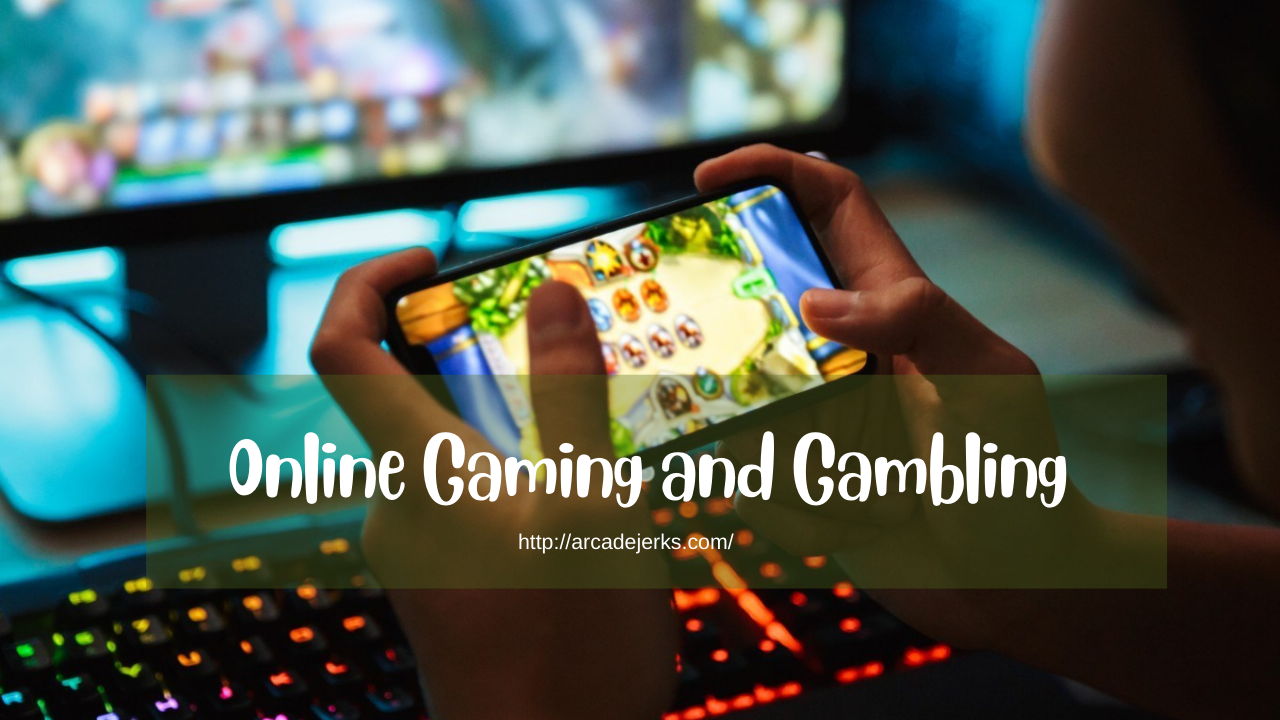
When Fun Turns Fatal: The Hidden Dangers of Digital Obsession

Digital entertainment has become a central part of modern life. From online gaming to virtual gambling, millions of people rely on screens for fun, social connection, and stress relief. However, what starts as harmless entertainment can sometimes spiral into a dangerous obsession. When digital activities begin to control thoughts, emotions, and daily routines, the consequences can be serious, affecting mental health, relationships, and overall well-being. Recognizing the hidden dangers of digital obsession is the first step toward reclaiming balance and control.

Understanding Digital Obsession

Digital obsession occurs when gaming or online gambling shifts from occasional leisure to a compulsive behavior. The brain’s reward system is triggered by wins, achievements, and social recognition, releasing dopamine and reinforcing the habit. Over time, the desire for these virtual highs can overshadow real-world responsibilities, creating an emotional dependency that is difficult to break.

While technology can provide temporary relief from stress or loneliness, relying on it as a coping mechanism can prevent individuals from addressing underlying emotional issues. This cycle of avoidance and reinforcement often escalates without intervention.

Warning Signs of Digital Obsession

Excessive Time and Attention

Spending long hours playing games or gambling online, often at the expense of work, school, or personal responsibilities, is a primary indicator of digital obsession.

Emotional Dependence

Feeling anxious, irritable, or depressed when unable to engage in online activities suggests that your mood is tied to digital stimulation.

Neglecting Relationships

Withdrawing from friends, family, and social activities is a common sign. Isolation reinforces the obsession and contributes to emotional distress.

Financial or Practical Strain

For those engaging in online gambling, chasing losses or overspending can create financial instability. Even gaming expenses can accumulate over time, leading to stress and guilt.

Failed Attempts to Cut Back

Repeatedly trying and failing to reduce screen time or gambling indicates that professional support may be needed.

The Emotional and Mental Health Impact

Digital obsession can have far-reaching effects on mental health. Common consequences include increased anxiety, depression, and low self-esteem. Sleep disturbances, poor nutrition, and lack of physical activity further exacerbate the situation. Over time, emotional regulation becomes more difficult, and the individual may feel trapped in a cycle that seems impossible to escape.

Recognizing that these behaviors are not just bad habits but signs of behavioral addiction is critical. Professional addiction recovery services are designed to address both the behavior and the underlying emotional and psychological triggers.

Paths to Recovery

Recovery is possible with the right approach. Treatment programs at centers specializing in gaming and gambling addiction focus on holistic, faith-based, and individualized care.

  • Inpatient and Outpatient Programs: Provide structured support tailored to each individual’s needs.
  • Therapy and Counseling: Cognitive Behavioral Therapy and personalized counseling help identify triggers and develop healthier coping strategies.
  • Holistic Approaches: Mindfulness, physical wellness, and nutrition counseling support overall health and resilience.
  • Faith-Based Support: Spiritual guidance can help individuals find meaning, hope, and strength during recovery.

Conclusion

Digital entertainment can provide joy and social connection, but when fun turns into obsession, the consequences are real and serious. Recognizing the warning signs and seeking compassionate, professional help is essential for reclaiming your life. At Arcade Jerks, recovery services focus on personalized care, mental health support, and holistic healing to guide individuals toward balance and lasting well-being.

If you or someone you love is struggling with digital obsession, take the first step today. Recovery is possible, and help is within reach. Reach out and begin the journey toward a healthier, more fulfilling life beyond the screen.

The Entertainment Trap: How Online Gaming and Gambling Hook Your Brain

Online gaming and gambling have become some of the most popular forms of entertainment in today’s digital world. With instant access through smartphones, tablets, and computers, millions of people enjoy the excitement of virtual wins and achievements. But behind the flashing lights and thrilling moments lies a hidden danger. These activities are designed to keep you engaged, and in some cases, they can trap your brain in a cycle of dependency. Understanding how this works is key to recognizing when fun has shifted into addiction.

Why Gaming and Gambling Feel So Rewarding

Both gaming and gambling tap into the brain’s natural reward system. Every time you win a hand, unlock a new level, or score a jackpot, your brain releases dopamine, a chemical that creates feelings of pleasure. This encourages you to repeat the behavior, hoping for another rush of satisfaction.

Over time, this cycle can become addictive. The brain starts to crave the highs, and ordinary life may feel less exciting by comparison. What started as a way to unwind after work can slowly become the center of your daily routine.

The Science Behind the Trap

Variable Rewards

Unlike predictable rewards, gaming and gambling often use variable reward systems. You never know when the next win will come, which makes you keep playing “just one more time.” This unpredictability is one of the most powerful psychological hooks.

Escapism and Stress Relief

Many people turn to online entertainment as an escape from stress, loneliness, or anxiety. While it may provide temporary relief, it can mask deeper emotional struggles and make recovery more difficult.

Social Reinforcement

Online games and gambling platforms often include leaderboards, chatrooms, or competitive features. These social elements create a sense of community but can also pressure individuals to keep playing to maintain status or connection.

Signs You May Be Caught in the Entertainment Trap

  • Spending increasing amounts of time gaming or gambling despite negative consequences
  • Feeling restless, irritable, or anxious when not engaged in online activities
  • Neglecting work, school, or personal responsibilities
  • Hiding time or money spent from loved ones
  • Struggling to cut back even after repeated attempts

If these signs feel familiar, it may be time to take a closer look at your relationship with online entertainment.

The Emotional and Mental Health Impact

Gaming and gambling addiction can lead to more than lost time and money. Many individuals experience heightened stress, depression, and low self-esteem. Financial struggles from gambling can create shame and strain family relationships. Excessive gaming can lead to isolation, poor sleep, and declining physical health. The longer these patterns continue, the harder they can be to break without support.

Finding a Path to Recovery

At treatment centers that specialize in digital and behavioral addictions, recovery is approached with compassion and understanding. Support is available through:

  • Inpatient and outpatient programs that provide structured, professional care
  • Holistic approaches such as mindfulness, physical wellness, and nutrition counseling
  • Faith-based support for individuals who want spiritual guidance in their healing journey
  • Individualized treatment plans tailored to each person’s unique challenges and strengths

Conclusion

Online gaming and gambling may promise excitement and escape, but they can also trap the brain in harmful cycles that affect mental health, relationships, and daily life. Recognizing the signs of dependency is the first step toward freedom.

At Arcade Jerks, compassionate and personalized care is available to help you or a loved one break free from the entertainment trap. Recovery is possible, and with the right support, you can rediscover balance, peace, and purpose. Do not wait for tomorrow—reach out today and take the first step toward lasting change.