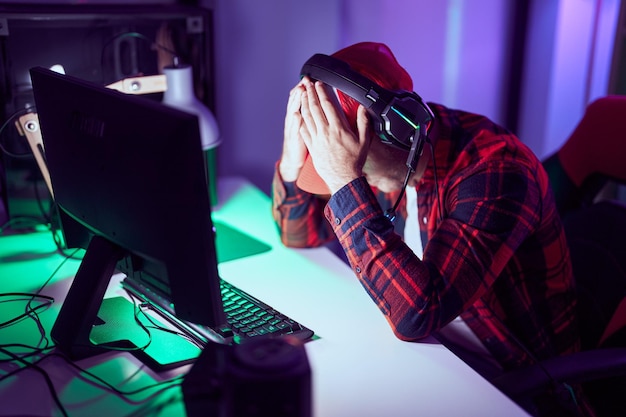
Compulsive gaming can slowly take over a person’s time, attention, and emotional energy. What may begin as a way to relax or connect with others can turn into a pattern that affects sleep, relationships, work, and mental health. The good news is that healing is possible. With the right support and practical strategies, individuals can move toward stability, regain control, and rebuild a healthier relationship with gaming.
Understanding Compulsive Gaming and Its Impact
Compulsive gaming, often referred to as gaming addiction or gaming disorder, happens when a person struggles to limit or stop gaming even when it causes negative consequences. This behavior can interfere with daily functioning and emotional well-being.
It is important to understand that compulsive gaming is not a personal failure. It is often linked to deeper emotional needs such as stress relief, escape from anxiety, or coping with depression. Recognizing this helps reduce shame and opens the door to meaningful recovery.
How Compulsive Gaming Affects Mental Health
Over time, excessive gaming can contribute to several challenges, including:
- Increased anxiety or emotional irritability
- Sleep disruption and fatigue
- Difficulty concentrating on responsibilities
- Social withdrawal or isolation
- Reduced motivation in daily life
These effects can create a cycle where gaming is used even more as an escape, making the pattern harder to break without support.
The Foundation of Healing: Awareness and Acceptance
Healing begins with awareness. Many individuals do not realize how much gaming has impacted their life until they begin to reflect on their habits. Acceptance does not mean judgment. It means acknowledging what is happening so change can begin.
Compassion is essential during this stage. Recovery is not about punishment. It is about understanding behavior and creating healthier alternatives.
Practical Steps Toward Recovery and Stability
Building stability after compulsive gaming involves consistent, intentional actions. Small changes can lead to meaningful progress over time.
Establish a Daily Structure
A predictable routine helps reduce impulsive gaming behavior. Set regular times for waking up, eating, working, and resting. Structure creates balance and reduces the likelihood of falling into long gaming sessions.
Set Clear Gaming Boundaries
Instead of trying to stop suddenly, begin with realistic limits. Decide when and how long you will play each day. Use alarms or timers if needed. Gradual reduction is often more sustainable than complete restriction.
Identify Emotional Triggers
Many people use gaming to cope with stress, boredom, loneliness, or emotional discomfort. Identifying these triggers is a key step in recovery. Once recognized, healthier coping strategies such as exercise, journaling, or talking to someone supportive can replace gaming as an escape.
Rebuild Offline Activities and Interests
One of the most effective ways to reduce compulsive gaming is to reconnect with real-world activities. This may include hobbies, sports, volunteering, or learning new skills. These activities help restore purpose and emotional satisfaction outside of gaming.
Strengthen Support Systems
Recovery is easier when it is not done alone. Support from friends, family, or peer groups provides encouragement and accountability. Honest communication can also help rebuild trust and connection with others.
Seek Professional Mental Health Support
For many individuals, professional help is a crucial part of recovery. Addiction recovery services offer structured programs that address both behavior and underlying emotional challenges. Inpatient and outpatient care options provide flexibility depending on the level of support needed.
Mental health treatment is especially important when conditions such as anxiety, depression, or trauma are involved. Holistic and individualized approaches may include therapy, mindfulness practices, physical wellness, and spiritual care to support long-term stability.
Rebuilding Mental Health and Emotional Balance
Healing from compulsive gaming is not just about reducing screen time. It is about restoring emotional balance and building a life that feels meaningful and stable. As progress continues, individuals often notice improvements in mood, focus, relationships, and self-confidence.
Recovery is a gradual process. Setbacks may occur, but they do not define the journey. Each step forward contributes to long-term change.
Conclusion: A Healthier Future Is Possible
If compulsive gaming is affecting your mental health, relationships, or daily life, support is available. You do not have to navigate this alone. Compassionate addiction recovery and mental health services can provide the tools, structure, and guidance needed to heal.
Taking the first step toward help is an act of strength. With the right support and practical strategies, it is possible to regain stability, rebuild balance, and move toward a healthier and more fulfilling life.