
Escaping the Virtual Cage: Practical Steps to Reclaim Your Life from Digital Obsession

In today’s digital world, online gaming and gambling are more accessible than ever. They provide instant entertainment, social interaction, and the thrill of achievement. For most people, these activities are harmless fun. But for some, the line between leisure and compulsion becomes blurred, leading to digital obsession. This kind of addiction can affect mental health, relationships, work, and overall quality of life. Understanding practical steps to break free is essential for reclaiming balance and control.

Recognizing Digital Obsession

Digital obsession occurs when gaming or gambling begins to dominate thoughts, behaviors, and daily routines. Signs that your engagement may be excessive include:

  • Spending hours online, often losing track of time
  • Neglecting personal or professional responsibilities
  • Feeling anxious or irritable when unable to play or gamble
  • Experiencing financial strain from gambling or in-game purchases
  • Withdrawing from friends, family, and social activities

Recognizing these warning signs is the first step toward recovery. Awareness allows you to take intentional action before the habit becomes deeply entrenched.

Understanding Triggers

Triggers are the internal or external cues that prompt the urge to play or gamble. Common triggers include:

Emotional Triggers

Stress, anxiety, boredom, or loneliness often drive people to seek relief through gaming or gambling. The temporary escape can reinforce the habit.

Environmental Triggers

Routine situations, such as sitting in front of a screen after work or seeing friends play online, can automatically cue addictive behavior.

Social Triggers

Peer pressure, competitive gaming environments, and online communities can encourage prolonged engagement and risk-taking behaviors.

Understanding what prompts compulsive behavior is critical for developing strategies to regain control.

Practical Steps to Reclaim Your Life

Breaking free from digital obsession requires a combination of self-awareness, structured strategies, and professional support.

1. Set Clear Boundaries

Establish limits for time and money spent online. Schedule offline activities to replace screen time and maintain balance.

2. Develop Healthy Coping Mechanisms

Instead of turning to games or gambling for relief, engage in exercise, creative hobbies, meditation, or social activities. These habits support emotional regulation and resilience.

3. Seek Professional Support

Recovery services at Arcade Jerks offer individualized treatment programs. Licensed therapists provide guidance through cognitive-behavioral therapy and other evidence-based approaches to help identify triggers, manage urges, and develop long-term coping skills.

4. Embrace Holistic Healing

Programs include mindfulness, nutrition, and physical wellness strategies to restore overall health. Faith-based guidance is available for those seeking spiritual support as part of their recovery journey.

5. Build a Support Network

Sharing experiences with trusted friends, family, or support groups can provide encouragement, accountability, and motivation. Recovery is often easier when done in community rather than isolation.

Reclaiming Control and Balance

Digital entertainment can be a source of joy and social connection, but when it becomes an obsession, it can take control of your life. Recognizing the signs, understanding triggers, and taking practical steps toward recovery are crucial for regaining balance.

At Arcade Jerks, compassionate, individualized care helps people break free from digital addiction and rebuild meaningful lives. Inpatient and outpatient programs, therapy, holistic approaches, and faith-based support provide a comprehensive path to recovery. If you or a loved one is struggling with gaming or gambling obsession, reach out today. Reclaiming control is possible, and a healthier, more fulfilling life awaits beyond the screen.
From Fun to Compulsion: Understanding the Emotional Toll of Online Gaming and Gambling

Online gaming and gambling have become some of the most accessible forms of entertainment today. What begins as a fun escape or social activity can sometimes evolve into compulsive behavior that impacts mental health, relationships, and daily life. Understanding the emotional toll of these habits is essential for recognizing when enjoyment has crossed the line into dependency and taking the necessary steps toward recovery.

The Shift from Entertainment to Compulsion

Gaming and gambling are designed to engage the brain’s reward system. Wins, achievements, and in-game progression trigger the release of dopamine, creating feelings of pleasure and satisfaction. Over time, the brain can begin to crave this chemical response, driving repeated behaviors that may become difficult to control.

For many, the shift from fun to compulsion is gradual. Hours spent online increase, responsibilities are neglected, and real-world relationships may start to suffer. What started as a leisure activity can become a central focus of daily life, often without the individual even realizing it.

Recognizing the Emotional Consequences

Anxiety and Stress

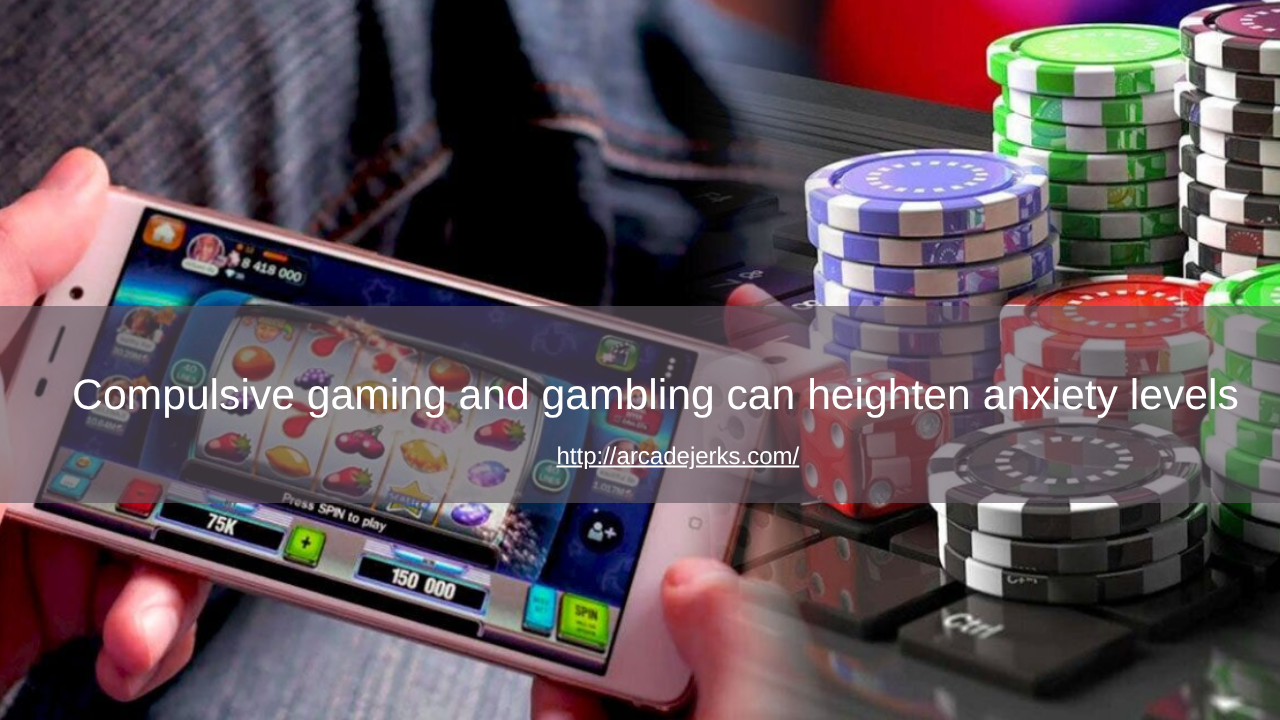
Compulsive gaming and gambling can heighten anxiety levels. The pressure to win, beat levels, or maintain rankings often becomes overwhelming, leading to stress that affects sleep, concentration, and overall well-being.

Guilt and Shame

Many individuals struggling with digital addiction experience guilt or shame over the time and money spent online. These feelings can exacerbate emotional distress and lead to cycles of further compulsive behavior as individuals seek temporary relief.

Depression and Isolation

Isolation is a common consequence of excessive gaming or gambling. Social withdrawal, neglect of family and friends, and avoidance of real-life responsibilities can increase feelings of loneliness and depression.

Emotional Instability

Mood swings, irritability, and emotional volatility often accompany digital addiction. Individuals may feel restless or agitated when unable to access games or gambling platforms, which further reinforces dependency.

The Impact on Mental Health

The emotional consequences of compulsive gaming and gambling extend beyond mood and stress. Sleep deprivation, poor nutrition, and reduced physical activity often accompany addiction, leading to additional mental and physical health challenges. Over time, these effects can accumulate, creating a cycle of emotional and behavioral difficulties that can be difficult to break without professional support.

Steps Toward Recovery

Recognizing the emotional toll is the first step toward recovery. Recovery from online gaming and gambling addiction requires both self-awareness and professional guidance.

Professional Support

At Arcade Jerks, individuals receive compassionate care through inpatient and outpatient programs tailored to their unique needs. Licensed therapists use evidence-based methods, including Cognitive Behavioral Therapy, to help individuals identify triggers, develop healthier coping strategies, and rebuild control over their behavior.

Holistic and Faith-Based Approaches

Recovery extends beyond therapy. Holistic approaches, such as mindfulness, physical wellness, and nutrition, help restore balance to mind and body. Faith-based support is also available for those seeking spiritual guidance and strength during the healing process.

Building Healthy Habits

Structured routines, offline social activities, and practical strategies for limiting screen time are essential tools for breaking the cycle of compulsion. Support networks and accountability measures help maintain progress and foster long-term recovery.

Conclusion

While online gaming and gambling can provide enjoyment and social connection, compulsive behavior can take a serious emotional toll. Anxiety, depression, isolation, and guilt are all warning signs that intervention may be necessary.

At Arcade Jerks, compassionate, individualized care helps individuals recognize these patterns and take steps toward recovery. Healing is possible, and with professional guidance, clients can rebuild emotional resilience, restore meaningful relationships, and regain control of their lives. If you or a loved one is struggling with online gaming or gambling, reach out today and take the first step toward a healthier, balanced future.

Trapped in the Screen: Signs Your Gaming or Gambling Habit May Be Out of Control

For many people, gaming and online gambling are exciting ways to unwind after a long day. The virtual world offers an escape, a sense of community, and the thrill of reward. But when hours begin to slip away unnoticed, responsibilities pile up, and emotional stability starts to decline, what once felt like harmless fun may have turned into something more serious. Recognizing the warning signs early can make all the difference in regaining control and beginning the path to recovery.

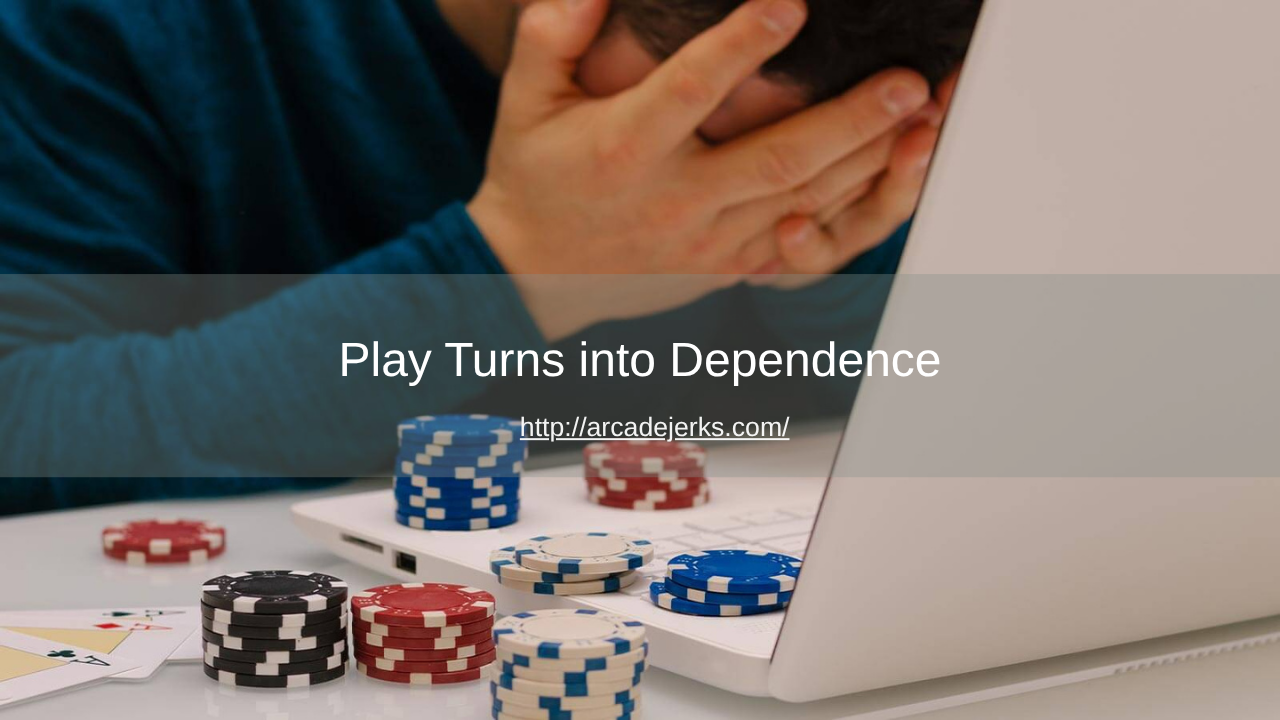
When Play Turns into Dependence

Gaming and gambling are designed to be engaging. Every win, level-up, or jackpot triggers the brain’s reward center, releasing dopamine, the “feel-good” chemical that encourages repetition. Over time, the brain begins to crave these highs, driving individuals to spend more time and money chasing that same satisfaction. What begins as entertainment can quietly develop into a behavioral addiction, with real emotional and psychological consequences.

Key Signs Your Habit May Be Out of Control

Awareness is the first step to recovery. If any of the following patterns sound familiar, it may be time to take a closer look at your gaming or gambling behavior.

1. Losing Track of Time

Do you often sit down for a quick game or round of betting, only to realize hours have passed? Losing track of time or skipping meals, sleep, or responsibilities to stay online is a common early warning sign.

2. Neglecting Personal Responsibilities

When work, school, or family duties start to suffer, it may indicate a deeper issue. Many individuals struggling with gaming or gambling addiction report declining performance at work or strained relationships due to constant preoccupation with screens.

3. Emotional Volatility

Mood swings, irritability, and anxiety when unable to play or bet are strong signs of dependency. Emotional distress, especially when trying to cut back, reflects how deeply the habit is affecting your mental well-being.

4. Financial Problems

For gamblers, losses can quickly spiral out of control. Chasing losses or borrowing money to keep playing creates financial and emotional turmoil. Even in gaming, excessive spending on in-app purchases or microtransactions can become destructive.

5. Isolation from Others

Many people who struggle with online addiction withdraw from social life. Avoiding friends, skipping events, or preferring the virtual world over real connections can indicate that gaming or gambling has become the central focus of daily life.

The Mental Health Impact

Addictive gaming and gambling behaviors can lead to anxiety, depression, and feelings of guilt or shame. Sleep deprivation, irritability, and poor concentration are common. Over time, these issues can erode confidence and damage relationships. What starts as digital entertainment can quietly become a source of deep emotional pain.

At Arcade Jerks, professionals understand that digital addiction is real and deserves compassionate treatment. The focus is not just on breaking habits but also on healing the underlying emotional and psychological causes that fuel them.

Finding Freedom and Recovery

Recovery begins with awareness and support. Recognizing the problem is not a sign of weakness but an act of courage. Treatment options at Arcade Jerks include inpatient and outpatient care, personalized therapy, and holistic healing that integrates the mind, body, and spirit. Whether through individual counseling, group therapy, or faith-based support, clients are guided toward balance, resilience, and renewed purpose.

Breaking free from digital addiction is a process, but with professional help and consistent support, it is entirely possible. Healing means rediscovering joy, building meaningful connections, and living a life that feels real again.

Conclusion

Feeling trapped in the screen does not mean you have to stay there. If your gaming or gambling habits have started to control your life, it’s time to take the first step toward change. Recovery begins with recognition and continues with action.

At Arcade Jerks, compassionate professionals are ready to help you find freedom through holistic, individualized care. Reach out today and take back control of your life—one step, one day, and one choice at a time.