Escaping the Screen: Compassionate Approaches to Managing Online Gaming Addiction

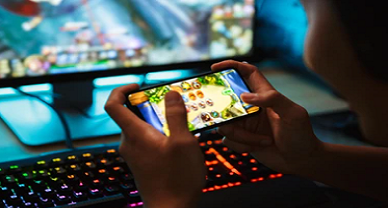
Online gaming can be entertaining, social, and mentally stimulating. For many, it is a positive part of daily life. However, when gaming begins to interfere with responsibilities, relationships, or emotional health, it may become a problem. Understanding how to manage online gaming addiction with compassion and professional support is essential for regaining control and achieving long-term balance.

Understanding Online Gaming Addiction

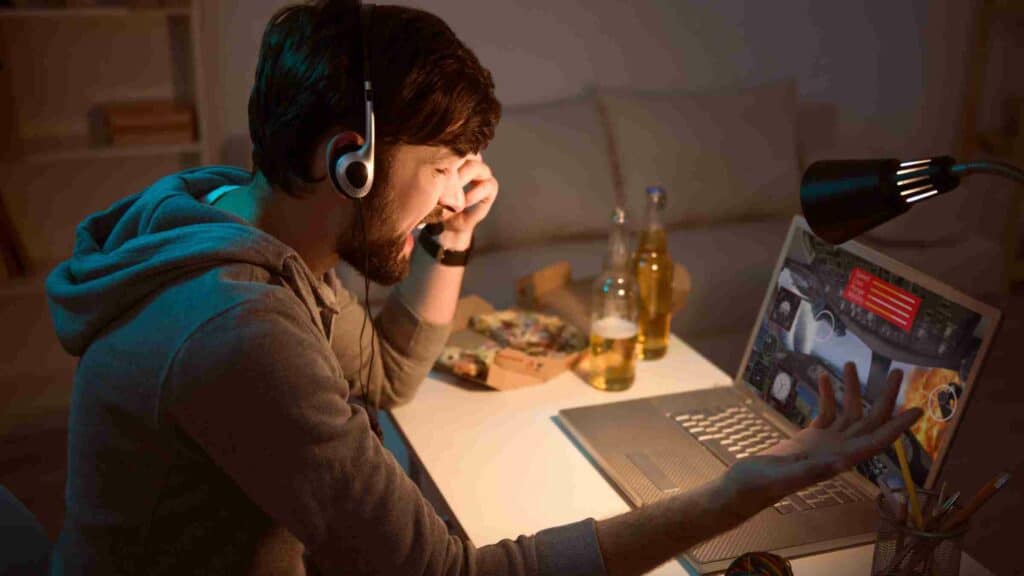
Online gaming addiction, also known as gaming disorder, occurs when gaming becomes the primary focus of daily life. It can affect work performance, school responsibilities, and personal relationships. Addiction is not a sign of weakness or failure. It is a behavioral pattern that develops over time and can be addressed with structured support and compassionate care.

Signs of Problematic Gaming

Recognizing the signs of addiction early can help individuals take action before challenges escalate. Common indicators include:

  • Prioritizing gaming over work, school, or social obligations
  • Feeling anxious, irritable, or restless when unable to play
  • Using gaming as a way to cope with stress, sadness, or boredom
  • Neglecting personal hygiene, physical health, or meaningful activities
  • Continuing to game despite negative consequences

Awareness of these patterns is the first step toward change.

Compassionate Approaches to Recovery

Addressing online gaming addiction requires a holistic and individualized approach. Recovery is most effective when it considers both behavior and underlying emotional or mental health factors.

Professional Addiction Recovery Services

Inpatient and outpatient programs provide structured support tailored to individual needs. These programs integrate counseling, therapy, and life skills training to help individuals regain balance. Holistic and faith-based approaches may also be included to support mental, emotional, and spiritual wellness.

Mental Health Treatment

Compulsive gaming is often linked to underlying mental health concerns, such as anxiety, depression, or past trauma. Integrating mental health treatment into recovery addresses the root causes of addictive behavior, reducing the likelihood of relapse and promoting long-term emotional stability.

Practical Steps to Regain Control

While professional support is essential, there are practical strategies individuals can adopt immediately:

Set Clear Boundaries

Establish specific gaming times and stick to them. Schedule alternative activities such as exercise, creative hobbies, or social interaction to maintain balance.

Identify Triggers

Recognizing the situations, emotions, or stressors that lead to excessive gaming allows individuals to develop healthier coping mechanisms. Stress, boredom, and emotional discomfort are common triggers that can be managed through mindfulness or structured routines.

Build a Support Network

Engaging with friends, family, or peer support groups provides accountability and encouragement. Sharing experiences in a compassionate environment reduces isolation and reinforces positive change.

Engage in Holistic Practices

Mindfulness, meditation, exercise, nutrition, and spiritual practices strengthen emotional resilience. These practices provide healthy ways to cope with urges, stress, and emotional challenges.

Embracing Balance and Empowerment

Recovery from online gaming addiction is not about eliminating enjoyment. It is about creating control, fostering healthy habits, and building a life where gaming is a balanced and positive activity. With the right support, individuals can regain confidence, strengthen relationships, and maintain mental and emotional well-being.

Take the First Step Toward Recovery

If online gaming is affecting your life or mental health, seeking help is a vital first step. Compassionate, professional addiction recovery services provide individualized care, holistic support, and practical tools to help you reclaim balance.

You do not have to navigate this journey alone. Reach out today to explore treatment options and begin your path toward a healthier, more fulfilling life where gaming remains a positive and controlled part of your routine.
When Gaming Becomes Compulsive: Steps to Reclaim Your Time and Mental Health

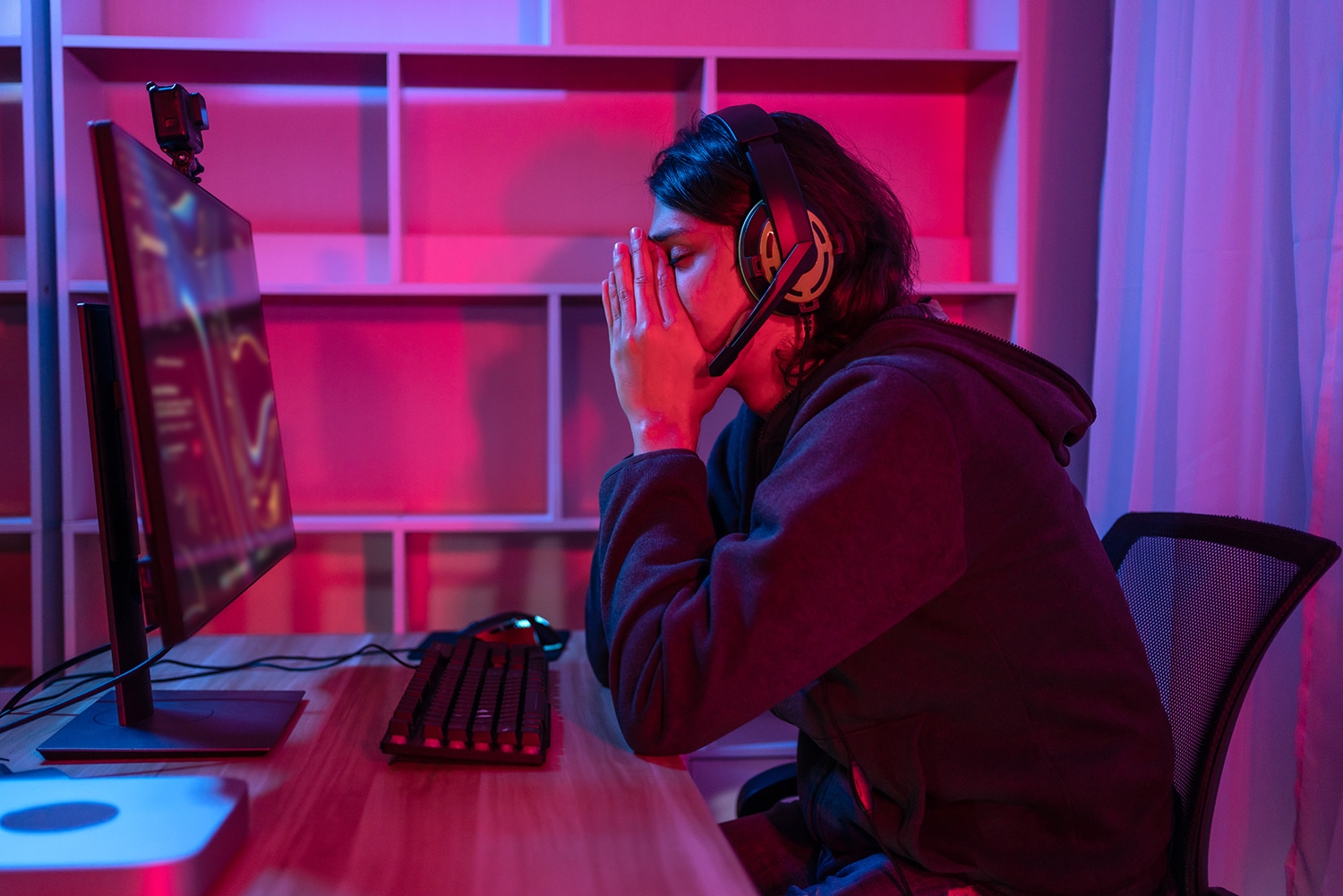
Online gaming can be a source of entertainment, social connection, and stress relief. For many, it is a healthy and enjoyable hobby. However, when gaming starts to interfere with responsibilities, relationships, or emotional well-being, it can become compulsive. Recognizing the signs and taking proactive steps to regain control is essential for mental health and overall life balance.

Understanding Compulsive Gaming

Compulsive online gaming is recognized by mental health professionals as a behavioral pattern that can significantly impact daily life. It occurs when gaming becomes the primary focus, often at the expense of work, school, social interaction, or personal care. Compulsive gaming is not a reflection of weakness. It is a learned habit that can be addressed with compassionate support and structured interventions.

Signs That Gaming Has Become Compulsive

Identifying early warning signs helps individuals take action before challenges escalate. Common indicators include:

  • Spending excessive hours gaming, even when it negatively affects daily responsibilities
  • Feeling anxious, irritable, or restless when not playing
  • Using gaming to cope with stress, boredom, or emotional discomfort
  • Neglecting personal relationships, hobbies, or physical health
  • Continuing to game despite recognizing negative consequences

Acknowledging these behaviors is the first step toward meaningful change.

The Importance of Professional Support

Addressing compulsive gaming often requires more than self-discipline alone. Professional support provides guidance, accountability, and access to therapeutic interventions that address both behavior and underlying emotional factors.

Individualized Care Plans

Addiction recovery services, including inpatient and outpatient programs, offer personalized care that meets individuals where they are. Holistic and faith-based approaches integrate mental, emotional, and spiritual well-being, creating a comprehensive path to recovery.

Mental Health Treatment

Compulsive gaming can be linked to underlying mental health concerns such as anxiety, depression, or trauma. Incorporating mental health treatment into recovery ensures these issues are addressed, promoting lasting stability and reducing the risk of relapse.

Practical Steps to Reclaim Time and Mental Health

While professional support is critical, there are actionable strategies individuals can implement immediately:

Set Structured Boundaries

Designate specific times for gaming and stick to them. Incorporate alternative activities, such as exercise, creative hobbies, or social engagement, to create a balanced routine.

Identify Triggers

Understanding what prompts excessive gaming is key to breaking the cycle. Emotional stress, boredom, or social isolation are common triggers. Recognizing these allows for the development of healthier coping strategies.

Build a Support Network

Sharing experiences with trusted family, friends, or peer groups reduces isolation and reinforces accountability. Supportive relationships provide encouragement and motivation during recovery.

Engage in Holistic Practices

Mindfulness, meditation, exercise, nutrition, and spiritual practices strengthen resilience and emotional regulation. These tools help manage urges and promote overall well-being.

Moving Toward Balance and Empowerment

Recovery is not about eliminating fun or enjoyment. It is about reclaiming control, fostering healthy habits, and creating a life where gaming is a balanced part of leisure. By combining compassionate self-reflection, structured routines, and professional guidance, individuals can regain confidence and mental clarity.

Take the Next Step Today

If gaming has begun to dominate your life or impact your mental health, seeking help is a vital first step. Compassionate, professional addiction recovery services provide individualized care, holistic support, and guidance to help you reclaim your time and rebuild balance.

You do not have to face this journey alone. Reach out to a trusted recovery center today to explore treatment options and begin the process of restoring control, purpose, and well-being in your life.

Breaking the Cycle: How to Recognize and Overcome Online Gaming Addiction

Online gaming can be an enjoyable way to relax, connect with friends, and challenge yourself. For many, it is a positive part of daily life. However, when gaming starts to take precedence over responsibilities, relationships, or personal well-being, it may signal the presence of an addiction. Breaking the cycle of compulsive gaming requires awareness, support, and practical strategies that address both behavior and underlying emotional needs.

Understanding Online Gaming Addiction

Online gaming addiction, also called gaming disorder, is recognized by mental health professionals as a behavioral condition. It occurs when gaming becomes the primary focus of a person’s life, often interfering with work, school, social interactions, and emotional health. Addiction is not a reflection of weakness or failure. It is a learned pattern that can be addressed with compassionate guidance and structured support.

Signs That Gaming Has Become Problematic

Identifying early signs of gaming addiction is key to seeking help before challenges escalate. Look for patterns such as:

  • Prioritizing gaming over work, school, or family obligations
  • Feeling restless, irritable, or anxious when unable to play
  • Using gaming as a way to cope with stress, sadness, or loneliness
  • Neglecting personal care, social connections, or hobbies
  • Continuing to game despite negative consequences

Recognizing these behaviors is not about blame. It is about taking actionable steps toward recovery.

Why Professional Support Matters

Breaking the cycle of compulsive gaming often requires more than willpower alone. Professional care provides structured support to help individuals address both the behavioral patterns and underlying emotional or mental health issues that contribute to addiction.

Individualized Treatment Approaches

Each person’s experience with gaming addiction is unique. Inpatient and outpatient programs provide personalized plans tailored to your needs, including therapy, counseling, and life skills development. Holistic approaches can address mental, emotional, and spiritual wellness, offering a comprehensive path to recovery.

Mental Health and Addiction Recovery

Addiction is often connected to underlying mental health challenges, such as anxiety, depression, or trauma. Integrating mental health treatment into recovery ensures that these issues are addressed, reducing the likelihood of relapse and supporting long-term wellness.

Practical Steps to Regain Balance

While professional support is critical, there are actionable strategies individuals can implement to start breaking the cycle:

Set Clear Boundaries

Designate specific times for gaming and adhere to them. Scheduling alternative activities such as exercise, hobbies, or social time encourages balance.

Identify Triggers

Understanding what prompts excessive gaming is key. Stress, boredom, or emotional discomfort can all trigger compulsive play. Recognizing these triggers allows you to develop healthier coping strategies.

Build a Support Network

Connecting with supportive family, friends, or peer groups reduces isolation and reinforces accountability. A strong network can encourage progress and provide encouragement during challenges.

Engage in Holistic Practices

Mindfulness, meditation, nutrition, physical activity, and faith-based or spiritual practices strengthen emotional resilience. These tools support recovery and help individuals manage urges without relying on gaming.

Moving Toward Empowerment

Recovery from online gaming addiction is not about completely eliminating fun. It is about reclaiming control, fostering healthy habits, and building a balanced life. By combining compassionate self-reflection, structured routines, and professional guidance, individuals can regain confidence and purpose.

Take the First Step Today

If online gaming is interfering with your life, seeking support is the first step toward breaking the cycle. Compassionate, professional addiction recovery services provide individualized care, holistic support, and guidance to help you rebuild balance and well-being.

Do not wait to take control. Reach out today to explore treatment options and begin your journey toward a life where gaming is enjoyable, balanced, and empowering.

Healthy Habits Beyond the Screen: Tools for Overcoming Online Gaming Addiction and Rebuilding Balance

Online gaming can be an enjoyable and social activity, but when play starts to interfere with responsibilities, relationships, or mental health, it may signal the presence of an addiction. Overcoming online gaming addiction is not just about stepping away from the screen. It requires adopting practical tools, cultivating healthy habits, and seeking the right support to rebuild balance and regain control of your life.

Understanding Online Gaming Addiction

Online gaming addiction is recognized by mental health professionals as a behavioral disorder. It occurs when gaming becomes the primary focus of daily life, often at the expense of work, school, or social interactions. While gaming itself is not harmful, compulsive behavior can affect emotional well-being, physical health, and overall quality of life.

Signs That Gaming May Be a Problem

Identifying early warning signs is an important step in recovery. These may include:

  • Prioritizing gaming over essential responsibilities
  • Feeling restless, anxious, or irritable when unable to play
  • Neglecting social relationships and hobbies
  • Using gaming as a way to cope with stress, anxiety, or depression
  • Experiencing guilt or shame but continuing the behavior

Recognizing these signs is not about blame. It is about understanding patterns and taking proactive steps toward recovery.

Building Healthy Habits Beyond the Screen

Recovery involves replacing compulsive gaming with structured and meaningful activities that support well-being. The following strategies can help establish balance:

Establish a Structured Routine

Creating a daily schedule with set gaming limits helps maintain perspective. Include time for work, self-care, exercise, social activities, and leisure that does not involve screens. Structure fosters stability and reduces the temptation to overindulge.

Engage in Physical Activity

Regular exercise promotes mental health, reduces stress, and provides a healthy alternative to gaming. Activities like walking, yoga, or team sports can help restore energy, improve focus, and boost overall well-being.

Practice Mindfulness and Emotional Awareness

Mindfulness, meditation, and journaling encourage self-reflection and emotional regulation. These practices provide healthy ways to cope with stress, anxiety, or boredom without turning to gaming as an escape.

Cultivate Meaningful Connections

Building and maintaining relationships outside of gaming reduces isolation and supports accountability. Time spent with family, friends, or peer support groups reinforces healthy habits and encourages social engagement.

Seek Professional Support

Professional addiction recovery services provide tailored care to address compulsive gaming. Inpatient and outpatient programs offer structured guidance, therapeutic interventions, and holistic approaches that consider mental, emotional, and spiritual health. Faith-based or individualized programs can further enhance recovery by addressing underlying emotional needs and promoting long-term resilience.

Reclaiming Balance and Purpose

Recovery is not about eliminating enjoyment or leisure. It is about gaining control over choices and fostering a life that prioritizes health, relationships, and personal growth. By integrating structured routines, healthy coping mechanisms, and professional support, individuals can transition from compulsive gaming to balanced engagement.

Take the First Step Toward Recovery

Online gaming can remain a fun and enriching part of life when it is approached with balance and self-awareness. If gaming has begun to interfere with your responsibilities, mental health, or relationships, now is the time to take action.

Reach out to a trusted addiction recovery center to explore individualized programs and compassionate support. With the right tools and guidance, it is possible to break free from compulsive gaming, rebuild balance, and create a life of empowerment and well-being.