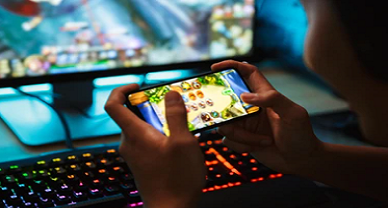
Online gaming can be an enjoyable and social activity, but when play starts to interfere with responsibilities, relationships, or mental health, it may signal the presence of an addiction. Overcoming online gaming addiction is not just about stepping away from the screen. It requires adopting practical tools, cultivating healthy habits, and seeking the right support to rebuild balance and regain control of your life.
Understanding Online Gaming Addiction
Online gaming addiction is recognized by mental health professionals as a behavioral disorder. It occurs when gaming becomes the primary focus of daily life, often at the expense of work, school, or social interactions. While gaming itself is not harmful, compulsive behavior can affect emotional well-being, physical health, and overall quality of life.
Signs That Gaming May Be a Problem
Identifying early warning signs is an important step in recovery. These may include:
- Prioritizing gaming over essential responsibilities
- Feeling restless, anxious, or irritable when unable to play
- Neglecting social relationships and hobbies
- Using gaming as a way to cope with stress, anxiety, or depression
- Experiencing guilt or shame but continuing the behavior
Recognizing these signs is not about blame. It is about understanding patterns and taking proactive steps toward recovery.
Building Healthy Habits Beyond the Screen
Recovery involves replacing compulsive gaming with structured and meaningful activities that support well-being. The following strategies can help establish balance:
Establish a Structured Routine
Creating a daily schedule with set gaming limits helps maintain perspective. Include time for work, self-care, exercise, social activities, and leisure that does not involve screens. Structure fosters stability and reduces the temptation to overindulge.
Engage in Physical Activity
Regular exercise promotes mental health, reduces stress, and provides a healthy alternative to gaming. Activities like walking, yoga, or team sports can help restore energy, improve focus, and boost overall well-being.
Practice Mindfulness and Emotional Awareness
Mindfulness, meditation, and journaling encourage self-reflection and emotional regulation. These practices provide healthy ways to cope with stress, anxiety, or boredom without turning to gaming as an escape.
Cultivate Meaningful Connections
Building and maintaining relationships outside of gaming reduces isolation and supports accountability. Time spent with family, friends, or peer support groups reinforces healthy habits and encourages social engagement.
Seek Professional Support
Professional addiction recovery services provide tailored care to address compulsive gaming. Inpatient and outpatient programs offer structured guidance, therapeutic interventions, and holistic approaches that consider mental, emotional, and spiritual health. Faith-based or individualized programs can further enhance recovery by addressing underlying emotional needs and promoting long-term resilience.
Reclaiming Balance and Purpose
Recovery is not about eliminating enjoyment or leisure. It is about gaining control over choices and fostering a life that prioritizes health, relationships, and personal growth. By integrating structured routines, healthy coping mechanisms, and professional support, individuals can transition from compulsive gaming to balanced engagement.
Take the First Step Toward Recovery
Online gaming can remain a fun and enriching part of life when it is approached with balance and self-awareness. If gaming has begun to interfere with your responsibilities, mental health, or relationships, now is the time to take action.
Reach out to a trusted addiction recovery center to explore individualized programs and compassionate support. With the right tools and guidance, it is possible to break free from compulsive gaming, rebuild balance, and create a life of empowerment and well-being.