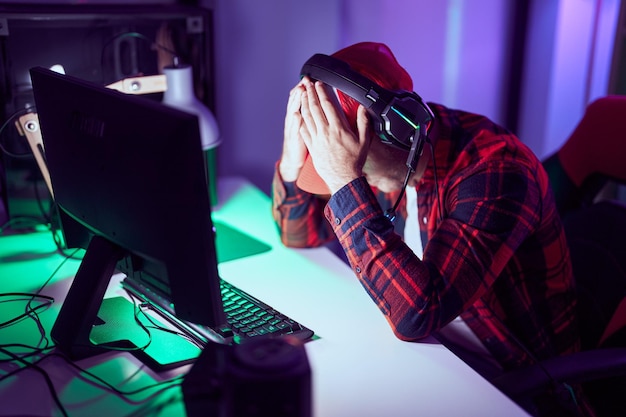
Healing from Compulsive Gaming: Practical Steps Toward Mental Health and Stability

Compulsive gaming can slowly take over a person’s time, attention, and emotional energy. What may begin as a way to relax or connect with others can turn into a pattern that affects sleep, relationships, work, and mental health. The good news is that healing is possible. With the right support and practical strategies, individuals can move toward stability, regain control, and rebuild a healthier relationship with gaming.

Understanding Compulsive Gaming and Its Impact

Compulsive gaming, often referred to as gaming addiction or gaming disorder, happens when a person struggles to limit or stop gaming even when it causes negative consequences. This behavior can interfere with daily functioning and emotional well-being.

It is important to understand that compulsive gaming is not a personal failure. It is often linked to deeper emotional needs such as stress relief, escape from anxiety, or coping with depression. Recognizing this helps reduce shame and opens the door to meaningful recovery.

How Compulsive Gaming Affects Mental Health

Over time, excessive gaming can contribute to several challenges, including:

  • Increased anxiety or emotional irritability
  • Sleep disruption and fatigue
  • Difficulty concentrating on responsibilities
  • Social withdrawal or isolation
  • Reduced motivation in daily life

These effects can create a cycle where gaming is used even more as an escape, making the pattern harder to break without support.

The Foundation of Healing: Awareness and Acceptance

Healing begins with awareness. Many individuals do not realize how much gaming has impacted their life until they begin to reflect on their habits. Acceptance does not mean judgment. It means acknowledging what is happening so change can begin.

Compassion is essential during this stage. Recovery is not about punishment. It is about understanding behavior and creating healthier alternatives.

Practical Steps Toward Recovery and Stability

Building stability after compulsive gaming involves consistent, intentional actions. Small changes can lead to meaningful progress over time.

Establish a Daily Structure

A predictable routine helps reduce impulsive gaming behavior. Set regular times for waking up, eating, working, and resting. Structure creates balance and reduces the likelihood of falling into long gaming sessions.

Set Clear Gaming Boundaries

Instead of trying to stop suddenly, begin with realistic limits. Decide when and how long you will play each day. Use alarms or timers if needed. Gradual reduction is often more sustainable than complete restriction.

Identify Emotional Triggers

Many people use gaming to cope with stress, boredom, loneliness, or emotional discomfort. Identifying these triggers is a key step in recovery. Once recognized, healthier coping strategies such as exercise, journaling, or talking to someone supportive can replace gaming as an escape.

Rebuild Offline Activities and Interests

One of the most effective ways to reduce compulsive gaming is to reconnect with real-world activities. This may include hobbies, sports, volunteering, or learning new skills. These activities help restore purpose and emotional satisfaction outside of gaming.

Strengthen Support Systems

Recovery is easier when it is not done alone. Support from friends, family, or peer groups provides encouragement and accountability. Honest communication can also help rebuild trust and connection with others.

Seek Professional Mental Health Support

For many individuals, professional help is a crucial part of recovery. Addiction recovery services offer structured programs that address both behavior and underlying emotional challenges. Inpatient and outpatient care options provide flexibility depending on the level of support needed.

Mental health treatment is especially important when conditions such as anxiety, depression, or trauma are involved. Holistic and individualized approaches may include therapy, mindfulness practices, physical wellness, and spiritual care to support long-term stability.

Rebuilding Mental Health and Emotional Balance

Healing from compulsive gaming is not just about reducing screen time. It is about restoring emotional balance and building a life that feels meaningful and stable. As progress continues, individuals often notice improvements in mood, focus, relationships, and self-confidence.

Recovery is a gradual process. Setbacks may occur, but they do not define the journey. Each step forward contributes to long-term change.

Conclusion: A Healthier Future Is Possible

If compulsive gaming is affecting your mental health, relationships, or daily life, support is available. You do not have to navigate this alone. Compassionate addiction recovery and mental health services can provide the tools, structure, and guidance needed to heal.

Taking the first step toward help is an act of strength. With the right support and practical strategies, it is possible to regain stability, rebuild balance, and move toward a healthier and more fulfilling life.

Why Online Gaming Addiction Happens and What You Can Do to Take Back Control

Online gaming is one of the most popular forms of entertainment in the world today. It offers excitement, competition, and social connection, often all in one place. For many people, gaming is a healthy hobby. But for others, it can slowly shift into a pattern that feels difficult to control. Understanding why online gaming addiction happens is an important step toward regaining balance and taking back control of your life.

Understanding Online Gaming Addiction

Online gaming addiction, sometimes referred to as gaming disorder, occurs when gaming begins to interfere with daily life, responsibilities, and emotional well-being. This is not simply about playing too much. It is about losing control over the behavior, even when it leads to negative consequences.

Many individuals do not realize the shift is happening until gaming starts affecting sleep, relationships, work, or mental health. Recognizing the reasons behind this behavior helps reduce shame and opens the door to meaningful recovery.

Why Gaming Can Become Compulsive

There are several reasons online gaming can become addictive. These include psychological, emotional, and environmental factors that interact over time:

  • Games are designed with rewards, levels, and achievements that trigger dopamine responses
  • Online communities can create a strong sense of belonging and identity
  • Gaming can serve as an escape from stress, anxiety, loneliness, or depression
  • Real-life challenges may feel overwhelming, making virtual worlds more appealing
  • Easy access through phones, computers, and consoles increases frequency of play

When these factors combine, gaming can shift from a casual activity into a coping mechanism that becomes difficult to regulate.

The Emotional Roots Behind Gaming Addiction

Online gaming addiction is often connected to deeper emotional needs. Many individuals use gaming to manage uncomfortable feelings or life stressors.

Common Underlying Factors

Some of the most common emotional contributors include:

  • Stress from school, work, or relationships
  • Anxiety or depressive symptoms
  • Low self-esteem or lack of confidence
  • Social isolation or difficulty connecting with others
  • Unresolved trauma or emotional pain

Gaming provides temporary relief from these feelings, but over time, it can prevent healthy emotional processing and real-world coping skills from developing.

Signs That Gaming Is Taking Over

Recognizing early warning signs can help prevent long-term consequences. These may include:

  • Losing track of time while gaming
  • Neglecting responsibilities or personal care
  • Withdrawal from family and friends
  • Irritability when unable to play
  • Declining performance at work or school
  • Continued gaming despite negative consequences

If these patterns feel familiar, it may be time to consider support options.

What You Can Do to Take Back Control

Recovery from online gaming addiction is possible. It involves understanding the behavior, addressing underlying causes, and building healthier habits over time.

Create Structure and Routine

A consistent daily schedule helps reduce impulsive gaming. Include time for sleep, meals, responsibilities, physical activity, and social interaction. Structure creates stability and reduces the urge to escape into gaming.

Set Healthy Boundaries Around Gaming

Instead of quitting suddenly, start with realistic limits. Set specific gaming hours and gradually reduce them. Use timers or reminders if needed. Boundaries help rebuild control without creating overwhelming pressure.

Identify Emotional Triggers

Pay attention to what leads to excessive gaming. Stress, boredom, loneliness, or frustration are common triggers. Once identified, replace gaming with healthier coping tools such as exercise, journaling, or talking with someone you trust.

Rebuild Real-World Connections

Strong relationships are essential for recovery. Reconnecting with family, friends, or community activities helps reduce isolation and increases emotional support.

Seek Professional Support

For many individuals, professional help is an important part of recovery. Addiction recovery services provide structured support through inpatient and outpatient programs. These programs focus on building healthy habits, improving emotional regulation, and preventing relapse.

Mental health treatment is also essential when underlying conditions like anxiety or depression are present. Holistic and individualized approaches may include mindfulness, physical wellness, and spiritual support. Faith-based care can also provide meaning and strength during recovery.

Moving Toward a Healthier Balance

Recovery is not about eliminating gaming entirely. It is about creating a balanced relationship with it. When control is restored, gaming can return to being an enjoyable activity rather than a harmful escape.

With the right support, individuals often experience improved mood, stronger relationships, better focus, and a renewed sense of purpose.

Conclusion: You Can Take Control Again

If online gaming is affecting your daily life, it is important to know that you are not alone and help is available. Understanding why gaming addiction happens is the first step toward change, but action is what creates recovery.

Compassionate addiction recovery and mental health services can provide the tools, structure, and support needed to regain control. Reaching out is a powerful step toward healing. With the right help, you can take back control and build a healthier, more balanced life.

Beyond the Screen: Compassionate Paths to Recovery from Online Gaming Addiction

Online gaming has become a major source of entertainment and connection for people of all ages. For many individuals, gaming offers relaxation, community, and a temporary escape from stress. However, when gaming begins to consume daily life and negatively impact mental health, relationships, work, or personal responsibilities, it may signal a deeper struggle. Recovery from online gaming addiction is possible, and compassionate support can help individuals move beyond the screen and reconnect with a healthier, more balanced life.

Understanding Online Gaming Addiction

Online gaming addiction, also known as gaming disorder, occurs when gaming becomes difficult to control and begins interfering with important areas of life. What may start as a hobby can gradually become a coping mechanism for emotional discomfort, anxiety, loneliness, or unresolved stress.

This condition is not about laziness or lack of willpower. Compulsive gaming behaviors often develop as a response to unmet emotional needs or underlying mental health concerns. Understanding this creates space for healing instead of shame.

Common Signs of Online Gaming Addiction

Recognizing the warning signs early can make recovery more manageable. Some common symptoms include:

  • Spending excessive amounts of time gaming every day
  • Neglecting work, school, or family responsibilities
  • Feeling anxious, irritable, or restless when unable to play
  • Losing interest in offline hobbies or social activities
  • Using gaming to avoid stress, sadness, or emotional pain
  • Continuing to game despite negative consequences

When these behaviors begin affecting daily life, it may be time to seek support.

Why Compassion Is Essential in Recovery

Many individuals struggling with gaming addiction experience guilt, frustration, or embarrassment about their habits. Unfortunately, shame often delays recovery by making people feel isolated or misunderstood.

Compassionate care changes that experience. A supportive environment helps individuals feel safe enough to explore the emotional causes behind their gaming behavior while developing healthier coping tools.

Recovery is not about punishment. It is about understanding, healing, and growth.

Compassionate Paths to Recovery

Effective recovery involves more than simply reducing screen time. It requires addressing the emotional, behavioral, and mental health factors contributing to compulsive gaming.

Professional Addiction Recovery Services

Addiction treatment programs provide structure, guidance, and accountability during recovery. Both inpatient and outpatient care options can help individuals develop healthier routines and regain control over their daily lives.

Personalized treatment plans may include:

  • Individual counseling
  • Behavioral therapy
  • Stress management techniques
  • Relapse prevention strategies
  • Family support and communication guidance

Individualized care ensures treatment reflects each person’s unique needs and recovery goals.

Mental Health Support

Online gaming addiction is often connected to mental health challenges such as anxiety, depression, trauma, or chronic stress. Addressing these underlying issues is a vital part of long-term recovery.

Mental health treatment helps individuals improve emotional regulation, develop coping skills, and better understand the emotional patterns driving compulsive gaming behaviors.

Holistic and Faith-Based Healing Approaches

Holistic recovery focuses on healing the whole person, including emotional, physical, and spiritual well-being. Practices such as mindfulness, exercise, nutrition support, meditation, and stress reduction techniques can strengthen recovery and improve overall wellness.

For individuals who value spirituality, faith-based approaches may offer comfort, purpose, and emotional grounding during the healing process.

Practical Steps to Begin Recovery

While professional support can make a significant difference, there are also practical strategies individuals can begin implementing immediately.

Create a Structured Routine

A consistent daily schedule reduces the urge to spend excessive time gaming. Prioritize healthy sleep, meals, physical activity, and offline responsibilities.

Set Gradual Gaming Limits

Sudden restrictions can feel overwhelming. Instead, begin with manageable boundaries around gaming time and gradually build healthier habits.

Reconnect With Real-Life Activities

Recovery often involves rediscovering fulfillment beyond the screen. Spending time outdoors, reconnecting with hobbies, and strengthening relationships can help restore balance and emotional well-being.

Build a Support Network

Supportive friends, family members, counselors, and peer groups provide encouragement and accountability throughout the recovery journey.

Rebuilding Life Beyond the Screen

Recovery from online gaming addiction is not about removing enjoyment from life. It is about creating a healthier relationship with gaming while rebuilding purpose, confidence, and emotional balance.

As individuals begin reconnecting with themselves and others, they often experience improved mental clarity, stronger relationships, increased motivation, and a renewed sense of direction.

Conclusion: Support and Healing Are Within Reach

If online gaming has started affecting your mental health, relationships, or daily responsibilities, you are not alone. Compassionate addiction recovery and mental health support can help you regain balance and move toward lasting healing.

Taking the first step toward recovery may feel difficult, but it can also be life-changing. With individualized care, holistic support, and professional guidance, it is possible to move beyond the screen and build a healthier, more fulfilling future.

Finding Balance Again: How to Overcome Online Gaming Addiction and Reclaim Your Life

Online gaming can be an enjoyable and even meaningful part of life. It offers entertainment, connection, and a way to unwind after stressful days. However, when gaming begins to take priority over responsibilities, relationships, and emotional well-being, it can slowly develop into a pattern of addiction. The good news is that balance can be restored. With the right understanding, support, and practical steps, it is possible to overcome online gaming addiction and reclaim control of your life.

Understanding Online Gaming Addiction

Online gaming addiction, also known as gaming disorder, occurs when gaming becomes the dominant focus in a person’s daily life. Over time, it can interfere with work, school, sleep, relationships, and overall mental health. What begins as casual entertainment can gradually turn into a coping mechanism for stress, anxiety, or emotional discomfort.

This condition is not a reflection of weakness. It is a behavioral health challenge that often develops in response to deeper emotional needs. Recognizing this helps reduce shame and opens the door to meaningful recovery.

Why Gaming Can Become Difficult to Control

Modern games are designed to be highly engaging. They often include rewards, achievements, and social interactions that keep players invested for long periods. When combined with stress or emotional struggles in daily life, gaming can become a form of escape that is hard to step away from.

Signs That Balance Has Been Lost

Recognizing the signs of gaming addiction is a key step toward recovery. These patterns often develop gradually, making them easy to overlook at first.

Common Warning Signs

  • Spending more time gaming than originally intended
  • Neglecting work, school, or personal responsibilities
  • Losing interest in offline hobbies or relationships
  • Feeling anxious or irritable when not gaming
  • Using gaming as a way to escape stress or emotions
  • Experiencing disrupted sleep or irregular routines

When these patterns begin to affect daily life, it may be time to seek support.

How to Overcome Online Gaming Addiction

Overcoming gaming addiction requires both practical changes and emotional healing. Recovery is not about eliminating gaming completely. It is about restoring balance and building a healthier relationship with it.

Create Structure in Your Daily Life

A consistent routine helps reduce compulsive gaming behavior. Setting regular times for sleep, meals, work, and activities creates stability. When life is structured, the urge to escape into gaming often decreases.

Set Healthy and Realistic Boundaries

Instead of trying to quit abruptly, begin by setting manageable limits on gaming time. Use timers or schedules to help stay accountable. Over time, gradually reduce gaming hours while increasing offline activities.

Identify Emotional Triggers

Many individuals use gaming to cope with stress, loneliness, or emotional discomfort. Identifying these triggers is essential. Once recognized, healthier coping strategies such as exercise, journaling, or talking with a supportive person can replace the urge to game.

Rebuild Offline Interests and Connections

Reconnecting with real-world activities is an important part of recovery. This may include hobbies, physical activity, volunteering, or spending more time with family and friends. These experiences help restore purpose and emotional balance.

Seek Professional Support

For many individuals, professional support is a crucial part of recovery. Addiction recovery services offer structured programs that address both behavior and underlying emotional challenges. Inpatient and outpatient care options provide flexibility depending on individual needs.

Mental health treatment is also important, especially when anxiety, depression, or trauma are involved. Holistic and individualized approaches focus on healing the mind, body, and emotional well-being together. Faith-based support can also offer meaning and guidance for those who value spiritual care in their recovery journey.

Building a Healthier Relationship with Gaming

Recovery does not mean giving up gaming entirely. Instead, it means learning to enjoy it in moderation without allowing it to take control. With healthy boundaries, emotional awareness, and the right support, gaming can return to being a balanced form of entertainment rather than a source of stress or compulsion.

Conclusion: Take the First Step Toward Balance and Recovery

If online gaming is affecting your relationships, responsibilities, or mental health, you are not alone. Many people struggle with the same challenge, and recovery is possible with the right help. Compassionate addiction recovery and mental health services can provide the tools and support needed to regain control and rebuild balance.

Taking the first step toward help is a powerful decision. With guidance and support, you can overcome online gaming addiction and reclaim a life filled with purpose, stability, and meaningful connection.

When Gaming Takes Over: Understanding the Warning Signs of Online Gaming Addiction

Online gaming is a major part of modern entertainment. It offers connection, competition, and escape from daily stress. For many people, it remains a healthy and enjoyable activity. However, when gaming begins to take over daily life, it can quietly shift into a pattern that affects mental health, relationships, responsibilities, and emotional well-being. Understanding the warning signs of online gaming addiction is the first step toward regaining balance and seeking support when needed.

Understanding Online Gaming Addiction

Online gaming addiction, also referred to as gaming disorder, occurs when gaming becomes a dominant activity that interferes with essential areas of life. This includes work, school, family relationships, and self-care. Over time, gaming can become a primary coping mechanism for stress, anxiety, or emotional discomfort.

It is important to understand that this condition is not about lack of discipline or personal failure. Many individuals develop compulsive gaming habits as a way to manage deeper emotional struggles. Compassionate awareness is key to recognizing the problem and beginning the recovery process.

Why Gaming Can Become Overwhelming

Gaming is designed to be engaging and rewarding. Many games provide achievement systems, social interaction, and constant stimulation. While this can be enjoyable in moderation, it can also make it difficult to disconnect. When emotional needs are unmet in other areas of life, gaming can become a substitute source of comfort and control.

Key Warning Signs of Online Gaming Addiction

Recognizing early warning signs can help prevent more serious consequences. These patterns often develop gradually, making them easy to overlook at first.

Loss of Control Over Gaming Time

One of the most common signs is spending more time gaming than intended. Individuals may set limits but consistently exceed them, often losing track of time for hours at a time.

Neglecting Responsibilities

As gaming increases, important responsibilities may begin to suffer. This can include missed work or school deadlines, reduced productivity, or neglect of household and personal duties.

Withdrawal Symptoms When Not Gaming

People struggling with gaming addiction may feel irritable, anxious, or restless when they are unable to play. These emotional reactions can create a strong urge to return to gaming quickly.

Decline in Physical and Mental Health

Excessive gaming can affect sleep patterns, posture, physical activity, and overall well-being. Mentally, it may contribute to increased stress, anxiety, or emotional exhaustion.

Isolation from Real-World Relationships

Another warning sign is withdrawing from friends, family, and social activities. Over time, gaming may replace meaningful in-person connections, leading to isolation.

Using Gaming to Escape Emotions

Many individuals turn to gaming to avoid stress, sadness, loneliness, or other difficult emotions. While this may provide temporary relief, it often prevents healthy emotional processing.

Why Professional Support Matters

Overcoming online gaming addiction often requires more than willpower alone. Professional support provides structure, accountability, and tools for long-term recovery.

Addiction Recovery Services

Addiction treatment programs, including inpatient and outpatient care, offer personalized support for individuals struggling with compulsive gaming. These programs help individuals rebuild healthy routines and develop better coping strategies.

Mental Health Treatment

Online gaming addiction is often connected to underlying mental health conditions such as anxiety, depression, or trauma. Treating these root causes is essential for long-term recovery and emotional stability.

Holistic and Individualized Care

Holistic approaches focus on the whole person, including mental, emotional, physical, and spiritual health. Faith-based and individualized treatment options can provide additional layers of support based on personal values and needs.

Practical Steps to Begin Regaining Balance

While professional care is important, there are also steps individuals can take to begin creating healthier habits.

Set Gentle Time Boundaries

Start by setting realistic limits on gaming time rather than attempting sudden changes. Gradual reduction is often more sustainable and less overwhelming.

Rebuild Daily Structure

Creating a consistent routine helps reduce excessive gaming. Include time for sleep, meals, work, exercise, and offline activities.

Identify Emotional Triggers

Understanding what drives the urge to game is key. Stress, boredom, and emotional discomfort are common triggers. Recognizing them allows for healthier coping strategies to replace gaming.

Reconnect With Support Systems

Talking with trusted friends, family members, or support groups can help reduce isolation and provide encouragement during recovery.

Moving Toward Recovery and Balance

Recovery from online gaming addiction is not about eliminating gaming entirely. It is about restoring balance and ensuring that gaming does not control life. With the right support, individuals can rebuild relationships, improve mental health, and rediscover purpose beyond the screen.

Conclusion: Taking the First Step Toward Help

If gaming is starting to interfere with your life, you are not alone and support is available. Recognizing the warning signs is an important first step toward change. Compassionate addiction recovery and mental health services can provide the structure and guidance needed to regain control.

Reaching out for help is a sign of strength, not weakness. With the right care and support, it is possible to break free from compulsive gaming and build a healthier, more balanced future.