
From Leisure to Liability: How Gaming and Gambling Can Take Over Your Life

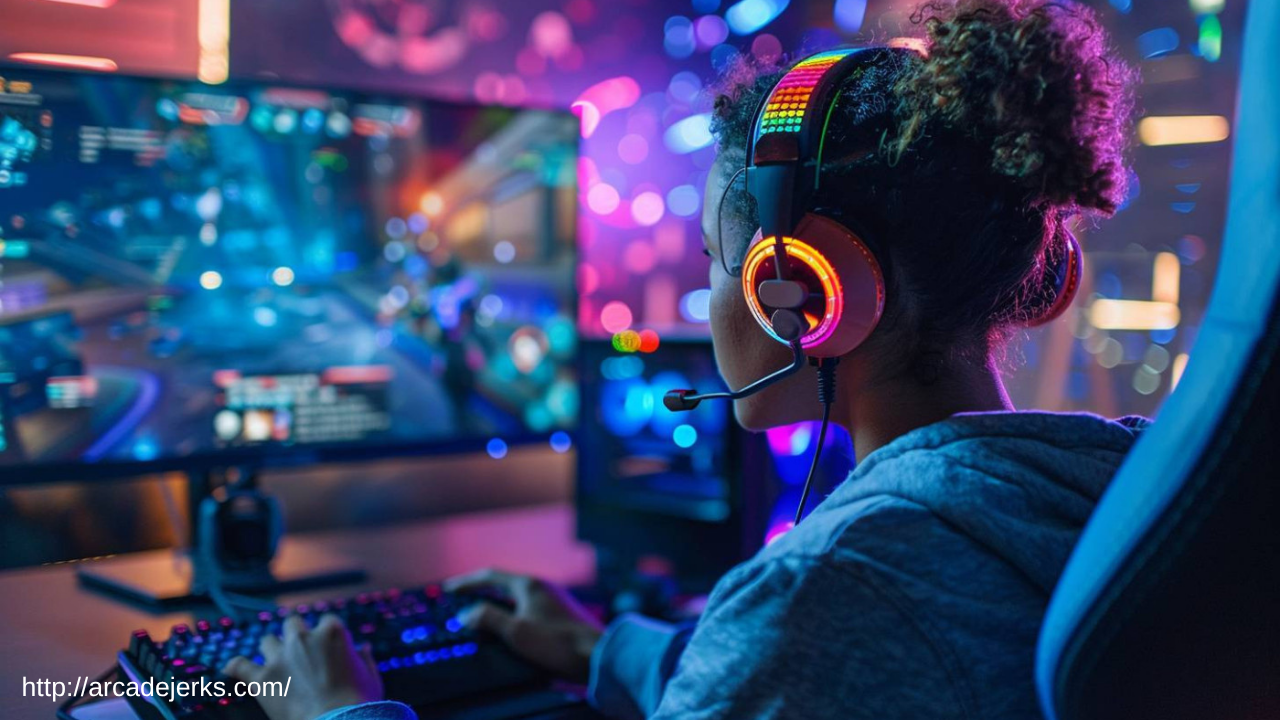
In today’s digital age, gaming and gambling are more accessible, immersive, and socially accepted than ever before. Whether it’s spinning the roulette wheel on a betting app or leveling up in an online multiplayer game, millions of people turn to these activities for fun, stress relief, and social interaction. But what happens when a harmless hobby turns into a harmful habit? When gaming and gambling start to dominate your thoughts, time, and finances, they transition from leisure to liability.

The Appeal That Turns Addictive

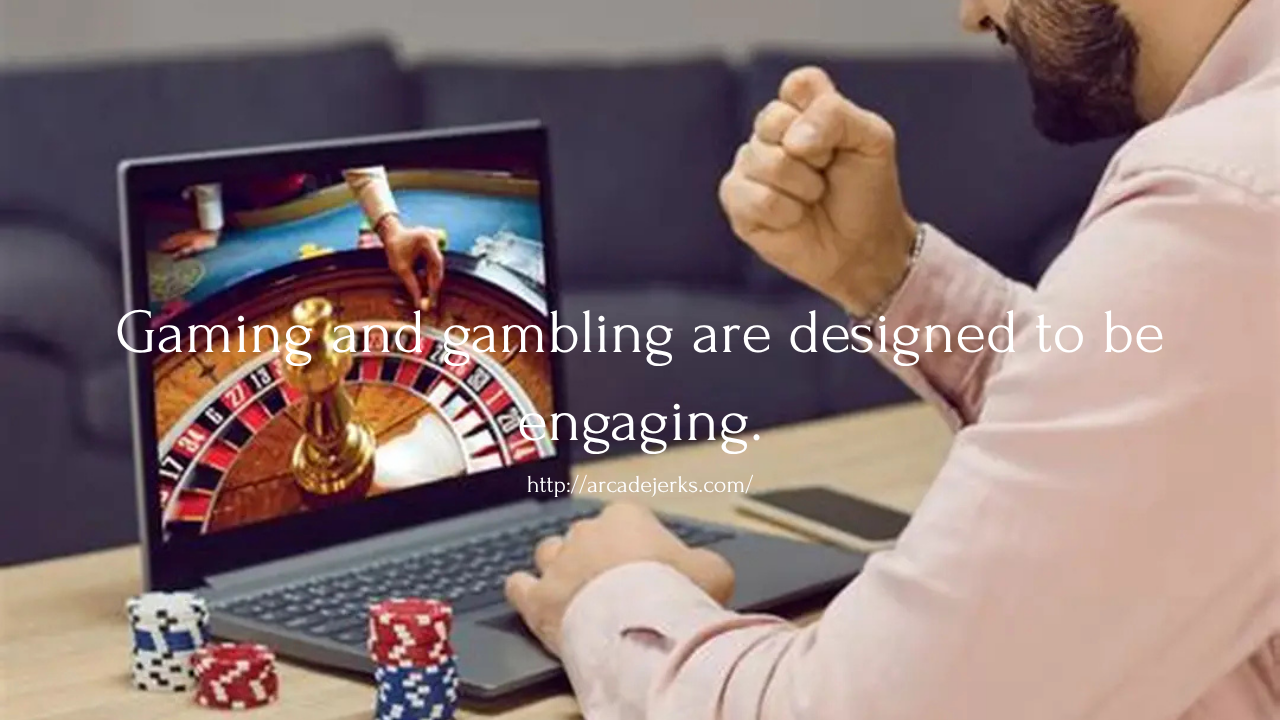
Gaming and gambling are designed to be engaging. Fast-paced gameplay, unpredictable rewards, and competitive elements stimulate the brain’s pleasure center by releasing dopamine—the same chemical triggered by drugs and alcohol. Over time, this creates a strong desire to repeat the behavior, often escalating the time and money spent.

The problem often begins innocently. A gamer may start playing for an hour a day, or a gambler may place occasional small bets. But as the habit deepens, they find themselves needing longer sessions or bigger risks to feel the same thrill. Before long, gaming or gambling becomes a central part of life, pushing aside relationships, responsibilities, and self-care.

Warning Signs You’re Losing Control

The shift from healthy recreation to addiction is usually gradual. Recognizing the warning signs early can make a significant difference. Some of the most common red flags include:

  • Loss of Time Awareness: Spending hours playing or betting, often at the expense of work, school, or sleep.
  • Emotional Dependence: Using gaming or gambling to escape problems, cope with anxiety, or lift your mood.
  • Chasing Losses: In gambling, this means betting more to recover previous losses—a dangerous cycle that deepens financial trouble.
  • Neglecting Relationships: Withdrawing from family, friends, and real-world social activities.
  • Hiding the Habit: Lying about the time or money spent on games or gambling apps due to guilt or shame.
  • Failed Attempts to Quit: Trying to cut back without success, often leading to frustration and more intense binges.

Real-Life Consequences

When left unchecked, gaming and gambling addiction can cause serious consequences. Financial stress from gambling losses can lead to debt, legal problems, or strained family dynamics. Gaming addiction may result in academic failure, job loss, or deteriorating physical health due to poor diet, lack of sleep, and inactivity. Mentally, both behaviors are linked to anxiety, depression, and low self-esteem, especially when individuals feel trapped or powerless to stop.

Taking Back Control

Recovery starts with awareness and a willingness to change. Some practical steps include:

  • Setting Time and Spending Limits: Use apps or platform tools to restrict usage.
  • Finding Healthy Alternatives: Replace screen time with hobbies, exercise, or in-person social activities.
  • Seeking Professional Help: Therapists specializing in behavioral addictions can offer personalized strategies for recovery.
  • Connecting with Support Groups: Peer groups like Gamblers Anonymous or gaming addiction forums provide shared experiences and accountability.

Conclusion

Gaming and gambling may begin as leisure, but when they start interfering with your health, relationships, or finances, they become liabilities. Recognizing the signs and taking action can help you reclaim your time, your focus, and your life.
Beyond the Screen: The Mental Health Risks of Gaming and Gambling Addiction

Online gaming and gambling have become increasingly common in modern life. With a smartphone, tablet, or computer, people can instantly dive into virtual worlds, place bets, or chase the next achievement. While these activities offer entertainment and a temporary escape from reality, they also come with serious risks—particularly to mental health. When gaming and gambling become more than just a pastime, the consequences can be damaging and long-lasting.

The Psychology of Addiction

Gaming and gambling both tap into the brain’s reward system. Every win, achievement, or jackpot triggers a surge of dopamine—the same chemical linked to pleasure and motivation. Over time, the brain begins to crave this stimulation, creating a cycle of repeated play. What starts as a hobby can quickly turn into a compulsion, leading to psychological dependence.

This dependency can quietly creep into daily life. A player might initially intend to unwind with a game for an hour, but soon find themselves gaming for five. A gambler may start with small bets but end up chasing losses, risking more and more. As the habit grows, so does the emotional toll.

Mental Health Consequences

Gaming and gambling addiction can cause or worsen several mental health issues:

  • Anxiety and Depression – The constant chase for wins, the fear of missing out on events, or the pressure to perform in competitive gaming can increase anxiety. When players experience losses or failure, it often leads to feelings of hopelessness and depression.
  • Stress and Burnout – Spending excessive time gaming or gambling disrupts healthy routines like sleep, exercise, and social interaction. Over time, this imbalance leads to chronic stress and exhaustion.
  • Isolation and Loneliness – Many people caught in addiction withdraw from friends and family, preferring time alone with their devices. This isolation can fuel feelings of loneliness and social disconnection.
  • Guilt and Shame – When individuals realize their habit is hurting their relationships, finances, or career, they often experience guilt. This emotional pain can push them further into the cycle, using gaming or gambling as a coping mechanism.
  • Loss of Self-Control – A key symptom of addiction is the inability to stop, even when it’s causing harm. This loss of control can lead to feelings of powerlessness, fueling additional stress and emotional distress.

Seeking Help and Finding Balance

Breaking free from gaming and gambling addiction starts with awareness. It’s important to recognize when these activities are interfering with mental health and overall well-being. Here are some steps toward recovery:

  • Set Limits – Use time management tools to monitor and control how long you spend gaming or gambling.
  • Reach Out for Support – Talking to a mental health professional can help address the underlying emotional triggers.
  • Find Healthy Outlets – Replace digital habits with physical activity, hobbies, or social engagement.
  • Join a Support Group – Groups like Gamblers Anonymous or online gaming recovery communities can provide encouragement and accountability.

Conclusion

Gaming and gambling may seem like harmless entertainment, but when the screen starts controlling your life, the risks to mental health are real. Recognizing the problem and seeking help is the first step toward a healthier, more balanced life.

From Hobby to Habit: How to Recognize and Recover from Online Gaming and Gambling Addiction

In our digital world, online gaming and gambling have become more than just hobbies—they’re woven into daily routines, social interactions, and even personal identities. While these activities can offer excitement, stress relief, and entertainment, they can also quietly evolve into dangerous habits. For some, what began as a fun pastime slowly transforms into a compulsive behavior, leading to mental, financial, and emotional distress. Recognizing when a hobby becomes a harmful habit is essential in taking the first steps toward recovery.

When Fun Becomes a Fixation

Gaming and gambling are designed to be engaging. Online games reward progress with points, levels, and achievements, while gambling promises the thrill of winning money. Both activate the brain’s reward system, releasing dopamine—the same chemical involved in drug and alcohol addiction. This feel-good response keeps people coming back for more, often without realizing how much time or money they’re spending.

Over time, what starts as recreational play can dominate your life. You might begin skipping meals, losing sleep, or avoiding responsibilities just to keep playing or betting. The shift from choice to compulsion is gradual but powerful.

Signs of Gaming and Gambling Addiction

Recognizing the signs early can prevent deeper struggles. Here are some red flags to watch for:

  • Loss of Control: You find it difficult to stop playing or gambling, even when you want to.
  • Neglect of Daily Life: Work, school, or relationships suffer due to your digital habits.
  • Escapism: You rely on gaming or gambling to cope with stress, anxiety, or depression.
  • Financial Consequences: You spend more money than intended, or gamble to “win back” losses.
  • Secrecy and Guilt: You hide your activity or feel ashamed after playing or betting.
  • Withdrawal Symptoms: You feel restless, anxious, or irritable when not engaging in the behavior.

If these symptoms sound familiar, it may be time to reevaluate your relationship with gaming or gambling.

Steps Toward Recovery

  1. Admit the Problem
    The first and hardest step is acknowledging that your hobby has become unhealthy. Be honest with yourself and others about how it’s affecting your life.
  2. Set Boundaries
    Limit your time and money spent on games or gambling apps. Use screen timers, budgeting tools, or self-exclusion features on gambling websites.
  3. Replace with Healthy Habits
    Find new ways to fill the void. Exercise, social activities, creative projects, or learning new skills can offer healthier forms of stimulation and achievement.
  4. Seek Professional Help
    Therapists specializing in behavioral addiction can help uncover the root causes and offer tools to regain control. Cognitive Behavioral Therapy (CBT) is especially effective in changing compulsive behaviors.
  5. Join Support Networks
    Groups like Gamblers Anonymous or online forums for gaming addiction provide encouragement, accountability, and shared experiences.

Conclusion

Online gaming and gambling may start as harmless fun, but they can quickly spiral into addiction. The journey from hobby to habit is subtle, but recovery is always possible. By recognizing the signs and taking action, you can reclaim your time, your focus, and your life—one healthy choice at a time.