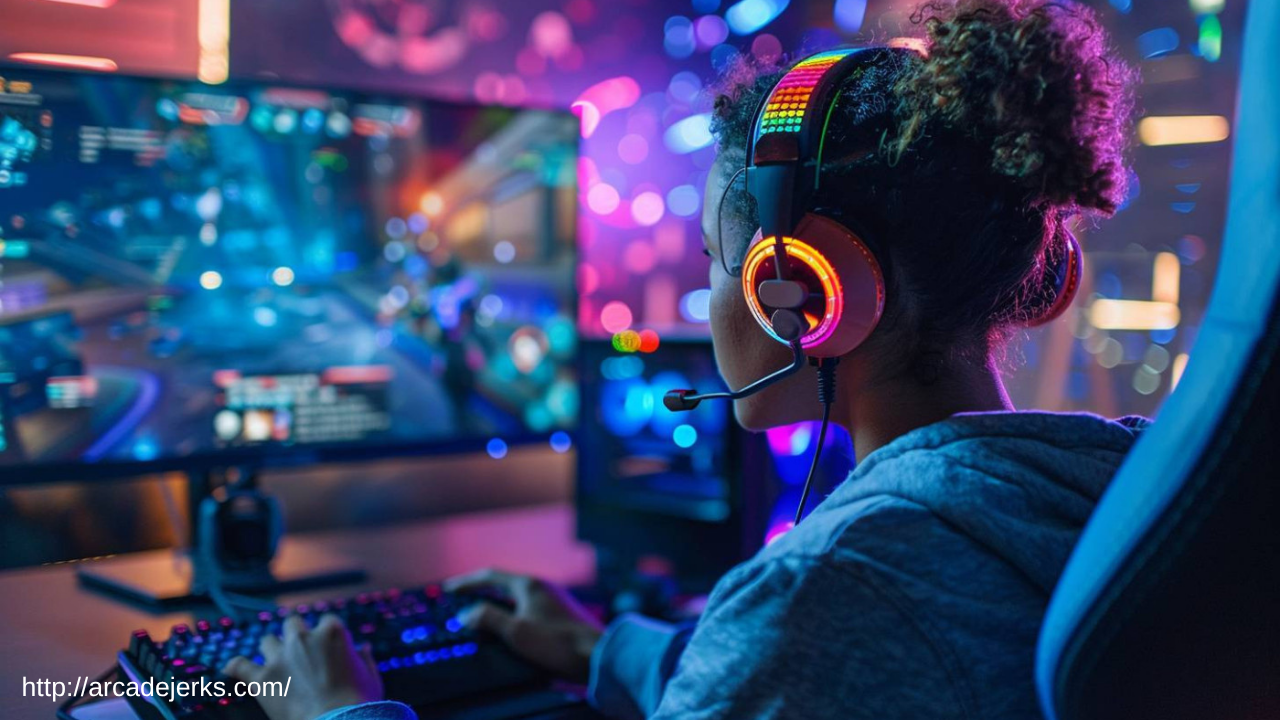
Online gaming and gambling have become increasingly common in modern life. With a smartphone, tablet, or computer, people can instantly dive into virtual worlds, place bets, or chase the next achievement. While these activities offer entertainment and a temporary escape from reality, they also come with serious risks—particularly to mental health. When gaming and gambling become more than just a pastime, the consequences can be damaging and long-lasting.
The Psychology of Addiction
Gaming and gambling both tap into the brain’s reward system. Every win, achievement, or jackpot triggers a surge of dopamine—the same chemical linked to pleasure and motivation. Over time, the brain begins to crave this stimulation, creating a cycle of repeated play. What starts as a hobby can quickly turn into a compulsion, leading to psychological dependence.
This dependency can quietly creep into daily life. A player might initially intend to unwind with a game for an hour, but soon find themselves gaming for five. A gambler may start with small bets but end up chasing losses, risking more and more. As the habit grows, so does the emotional toll.
Mental Health Consequences
Gaming and gambling addiction can cause or worsen several mental health issues:
- Anxiety and Depression – The constant chase for wins, the fear of missing out on events, or the pressure to perform in competitive gaming can increase anxiety. When players experience losses or failure, it often leads to feelings of hopelessness and depression.
- Stress and Burnout – Spending excessive time gaming or gambling disrupts healthy routines like sleep, exercise, and social interaction. Over time, this imbalance leads to chronic stress and exhaustion.
- Isolation and Loneliness – Many people caught in addiction withdraw from friends and family, preferring time alone with their devices. This isolation can fuel feelings of loneliness and social disconnection.
- Guilt and Shame – When individuals realize their habit is hurting their relationships, finances, or career, they often experience guilt. This emotional pain can push them further into the cycle, using gaming or gambling as a coping mechanism.
- Loss of Self-Control – A key symptom of addiction is the inability to stop, even when it’s causing harm. This loss of control can lead to feelings of powerlessness, fueling additional stress and emotional distress.
Seeking Help and Finding Balance
Breaking free from gaming and gambling addiction starts with awareness. It’s important to recognize when these activities are interfering with mental health and overall well-being. Here are some steps toward recovery:
- Set Limits – Use time management tools to monitor and control how long you spend gaming or gambling.
- Reach Out for Support – Talking to a mental health professional can help address the underlying emotional triggers.
- Find Healthy Outlets – Replace digital habits with physical activity, hobbies, or social engagement.
- Join a Support Group – Groups like Gamblers Anonymous or online gaming recovery communities can provide encouragement and accountability.
Conclusion
Gaming and gambling may seem like harmless entertainment, but when the screen starts controlling your life, the risks to mental health are real. Recognizing the problem and seeking help is the first step toward a healthier, more balanced life.