
Breaking Free from Digital Addiction: How to Recognize Online Gaming and Gambling Triggers

In today’s digital world, entertainment is only a click away. Online gaming and gambling provide instant excitement, social connection, and the thrill of achievement. For many, these activities are harmless fun, but for some, they become compulsive, controlling behaviors that impact mental health, relationships, and daily life. Recognizing the triggers that fuel digital addiction is the first step toward breaking free and regaining control.

Understanding Digital Addiction

Digital addiction develops when gaming or gambling shifts from a source of enjoyment to a primary coping mechanism. The brain’s reward system responds to wins, achievements, and social validation by releasing dopamine, creating a cycle of repeated behavior. Over time, individuals may find themselves craving these virtual highs, spending increasing amounts of time and money online, and neglecting real-world responsibilities.

Unlike substance abuse, digital addiction is often overlooked because it appears socially acceptable. Gaming and online gambling are common hobbies, making it difficult to recognize when fun has turned into a problem.

Identifying Your Triggers

Triggers are the cues or situations that prompt the urge to play or gamble. Recognizing these triggers is critical to breaking the cycle of addiction.

Emotional Triggers

Many individuals turn to online platforms to manage stress, anxiety, or loneliness. Emotional triggers can include feelings of boredom, frustration, sadness, or isolation. When these emotions appear, the instinct to escape into digital entertainment can be strong.

Environmental Triggers

Certain environments or routines can spark addictive behaviors. This could be sitting in front of a computer after work, checking a phone during idle moments, or being around friends who play or gamble online. Environmental cues often create habitual patterns that reinforce addiction.

Social Triggers

Gaming communities and gambling networks can exert subtle pressure. Leaderboards, social challenges, or peer competition may encourage individuals to keep playing longer than intended.

Financial Triggers

The thrill of winning or the temptation to chase losses can drive excessive gambling. Even small online bets can escalate, creating emotional and financial stress.

Strategies for Breaking the Cycle

Identifying triggers is only the first step. Recovery requires practical strategies and professional support to change behavior and rebuild healthy coping mechanisms.

  • Track Your Habits: Keep a journal of when and why you play or gamble to spot patterns.
  • Set Boundaries: Limit time and money spent on digital entertainment, and create offline routines.
  • Replace Digital Escape: Engage in hobbies, exercise, or social activities to manage stress without screens.
  • Seek Professional Support: Addiction recovery services provide guidance, therapy, and accountability for lasting change.

Professional and Holistic Support

At Arcade Jerks, recovery is approached with compassion, expertise, and personalization. Programs include inpatient and outpatient care, therapeutic counseling, and holistic approaches that address both mind and body. Faith-based guidance is also available for individuals seeking spiritual support.

By combining individualized therapy, mindfulness, physical wellness, and community support, clients learn to identify triggers, develop healthier coping strategies, and rebuild balanced, meaningful lives beyond digital addiction.

Conclusion

Online gaming and gambling can be thrilling, but they can also lead to compulsive behavior that impacts emotional, financial, and social well-being. Recognizing your triggers is the first step toward breaking free from digital addiction.

Recovery is possible with the right tools, strategies, and professional support. At Arcade Jerks, compassionate care and holistic treatment empower individuals to regain control, restore balance, and rediscover life beyond the screen. If you or someone you love is struggling with online gaming or gambling, reach out today and take the first step toward lasting recovery.
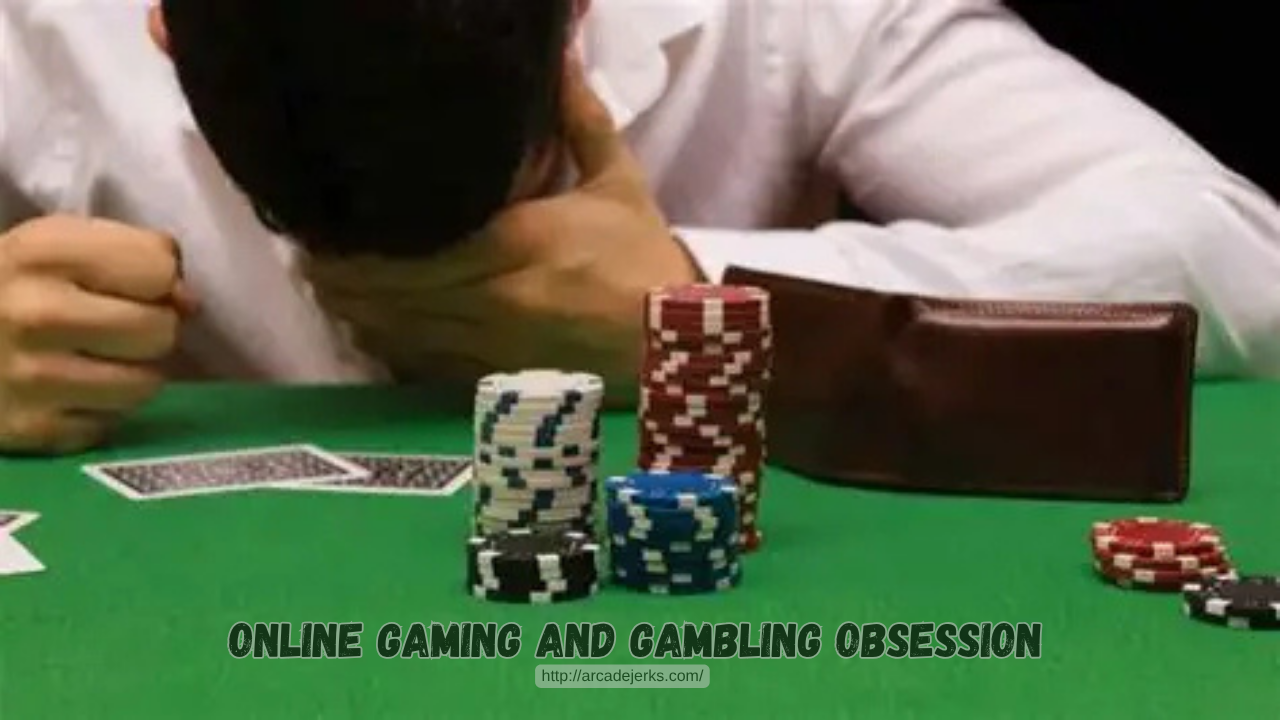

Escaping the Virtual Cage: Recognizing and Breaking Free from Online Gaming and Gambling Obsession

In the digital age, entertainment is only a click away. Online gaming and gambling platforms promise excitement, escape, and endless opportunities for success. But what happens when the fun fades and the screen becomes a cage? For many, what starts as a harmless pastime can evolve into a powerful obsession that takes over daily life, relationships, and mental health. Understanding how this happens is the first step toward breaking free from the virtual trap and reclaiming real-world balance.

The Allure of the Virtual World

Online gaming and gambling appeal to something deep within human psychology. Both rely on reward systems that stimulate the brain’s pleasure center, releasing dopamine every time you win, level up, or beat the odds. That rush of satisfaction can be addictive, especially when paired with vivid graphics, instant feedback, and social interaction.

Over time, the brain begins to crave that dopamine hit, driving individuals to spend more time playing or betting. What began as relaxation turns into compulsion. This gradual shift often goes unnoticed until the consequences start to appear—lost sleep, neglected responsibilities, strained finances, and emotional instability.

Recognizing the Signs of Obsession

When Balance Becomes Imbalance

The line between entertainment and obsession is thin. Here are common warning signs that gaming or gambling may be taking control:

  • Thinking constantly about playing or betting, even while doing other tasks
  • Feeling anxious or irritable when unable to engage in the activity
  • Spending more time or money than intended
  • Neglecting relationships, work, or school responsibilities
  • Hiding time or financial losses from family and friends

If these signs sound familiar, it may be time to look honestly at your habits and their impact on your life. Awareness is the key to recovery.

The Mental and Emotional Toll

Online addiction does not just affect the mind—it can impact emotional stability and overall well-being. Many people struggling with gaming or gambling addiction experience anxiety, depression, and guilt. Financial strain can lead to shame, while long hours online often isolate individuals from real-world relationships. Sleep deprivation, poor nutrition, and reduced physical activity only worsen the problem.

The emotional cycle can be relentless: play to feel better, feel worse after playing, and then return to the game to escape again. Breaking that pattern requires courage, commitment, and professional support.

Finding Freedom Through Compassionate Care

At Arcade Jerks, recovery begins with understanding. Addiction is not a failure of willpower but a complex interaction of emotions, environment, and neurological patterns. That is why effective treatment must address the whole person—mind, body, and spirit.

Holistic and Faith-Based Healing

The center offers a comprehensive approach that includes:

  • Inpatient and outpatient treatment programs designed for flexible, personalized recovery.
  • Therapeutic counseling to uncover emotional triggers and rebuild coping skills.
  • Holistic methods such as mindfulness, physical wellness, and nutritional therapy to restore balance.
  • Faith-based support for those seeking spiritual growth and renewed purpose.

Every journey is unique, and each treatment plan is tailored to meet individual needs. The goal is not only to stop harmful behaviors but also to rediscover meaning, confidence, and joy in everyday life.

Step Out of the Virtual Cage

The virtual world can be captivating, but it should never control your life. Recognizing the signs of gaming and gambling obsession is the first step toward freedom. With compassionate guidance and evidence-based care, healing is possible.

At Arcade Jerks, recovery is more than breaking habits—it is about rebuilding hope and reclaiming your future. If you or someone you love feels trapped in the digital cage, reach out today. The path to balance, peace, and restoration begins with one courageous decision to seek help.

The Silent Epidemic: How Gaming and Gambling Are Fueling a New Kind of Addiction

In a world that thrives on technology and instant gratification, entertainment has taken on a new digital form. Online gaming and gambling platforms are accessible 24/7, offering excitement, escape, and community at the click of a button. But beneath the thrill lies a growing concern. This digital culture of constant play and risk-taking is fueling what many mental health professionals now call a “silent epidemic” — behavioral addiction that can be just as destructive as substance abuse.

When Entertainment Turns into Dependency

Gaming and gambling addiction often begin innocently. A few minutes of online play can evolve into hours lost in a virtual world. Over time, individuals find themselves craving the next win, the next achievement, or the next high. What once provided fun and connection can quickly spiral into dependency that impacts mental health, finances, and relationships.

Unlike physical addictions, digital addictions can go unnoticed for months or even years. Because gaming and gambling seem socially acceptable and widely popular, many people fail to recognize when their habits have crossed into dangerous territory.

The Psychology Behind the Addiction

Online games and gambling apps are designed to keep users engaged. Every sound, color, and reward system is intentionally crafted to trigger the brain’s reward center. Each win or accomplishment releases dopamine, the same neurotransmitter activated by drugs or alcohol. Over time, the brain begins to crave that dopamine rush, making it increasingly difficult to stop playing.

For some, gaming provides an escape from real-life stress, loneliness, or emotional pain. For others, gambling becomes a way to chase losses or regain control after financial setbacks. In both cases, the result is often the same: the person feels trapped in a cycle of craving, playing, and guilt.

Recognizing the Warning Signs

If you or someone you know is struggling, awareness is the first step. Common signs of gaming or gambling addiction include:

  • Preoccupation with online games or betting
  • Lying about the time or money spent online
  • Withdrawing from family, work, or social responsibilities
  • Irritability or anxiety when unable to play or gamble
  • Neglecting sleep, meals, or self-care due to screen time

What begins as entertainment can soon become an all-consuming pattern that takes a heavy toll on emotional and spiritual well-being.

Healing from the Digital Trap

At Arcade Jerks, recovery is not just about breaking habits. It is about restoring balance, purpose, and peace of mind. The center provides both inpatient and outpatient care tailored to each person’s unique needs. Their programs integrate evidence-based therapy, faith-centered guidance, and holistic healing methods to address the root causes of addiction.

A Comprehensive Approach to Recovery

  • Therapeutic Support: Licensed professionals guide individuals through cognitive-behavioral and trauma-informed therapies.
  • Holistic Care: Techniques like mindfulness, fitness, and nutritional counseling strengthen the mind-body connection.
  • Faith-Based Healing: For those seeking spiritual growth, faith-centered recovery helps rebuild hope and resilience.
  • Personalized Plans: No two people are the same, and neither are their treatment paths. Each plan is customized for long-term success.

Hope Beyond the Screen

The silent epidemic of gaming and gambling addiction is spreading quietly, but recovery is possible with the right help and commitment. Recognizing the signs early and seeking professional support can make all the difference.

If you are ready to break free from the endless cycle of play and regret, reach out to Arcade Jerks today. Their compassionate team is here to help you reclaim your focus, restore your peace, and rediscover life beyond the screen.