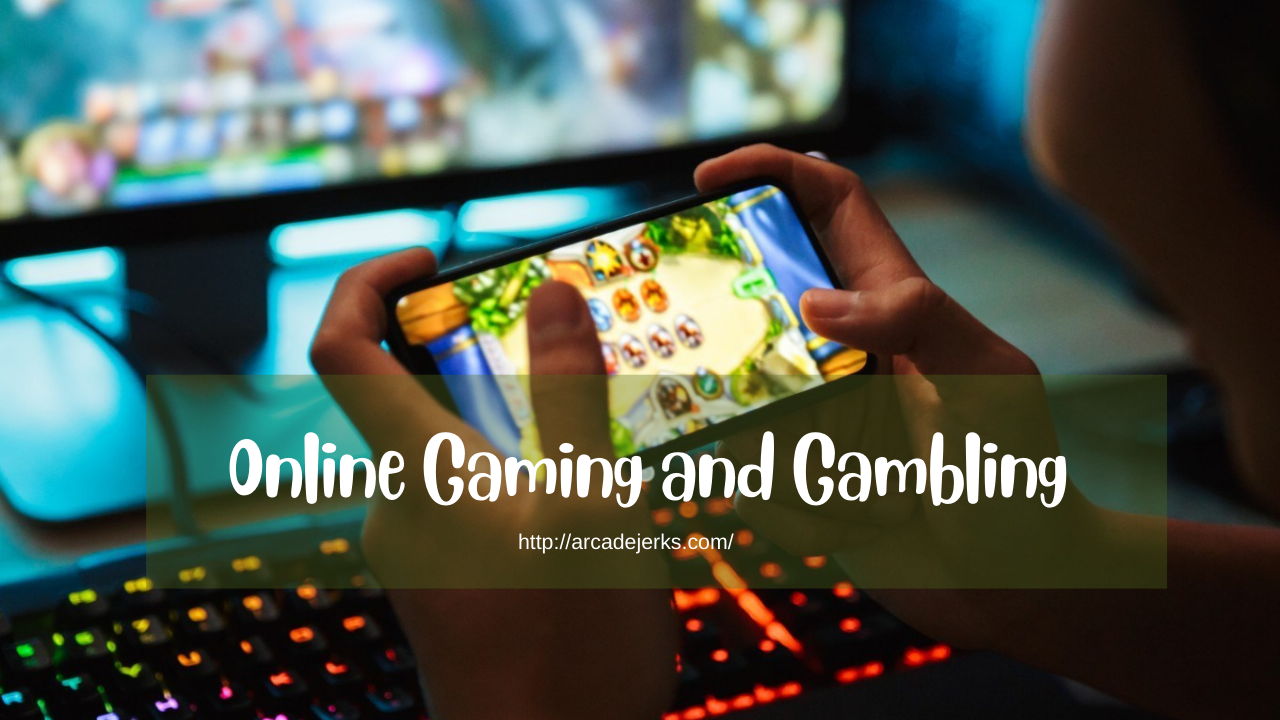
Online gaming and gambling have become some of the most popular forms of entertainment in today’s digital world. With instant access through smartphones, tablets, and computers, millions of people enjoy the excitement of virtual wins and achievements. But behind the flashing lights and thrilling moments lies a hidden danger. These activities are designed to keep you engaged, and in some cases, they can trap your brain in a cycle of dependency. Understanding how this works is key to recognizing when fun has shifted into addiction.
Why Gaming and Gambling Feel So Rewarding
Both gaming and gambling tap into the brain’s natural reward system. Every time you win a hand, unlock a new level, or score a jackpot, your brain releases dopamine, a chemical that creates feelings of pleasure. This encourages you to repeat the behavior, hoping for another rush of satisfaction.
Over time, this cycle can become addictive. The brain starts to crave the highs, and ordinary life may feel less exciting by comparison. What started as a way to unwind after work can slowly become the center of your daily routine.
The Science Behind the Trap
Variable Rewards
Unlike predictable rewards, gaming and gambling often use variable reward systems. You never know when the next win will come, which makes you keep playing “just one more time.” This unpredictability is one of the most powerful psychological hooks.
Escapism and Stress Relief
Many people turn to online entertainment as an escape from stress, loneliness, or anxiety. While it may provide temporary relief, it can mask deeper emotional struggles and make recovery more difficult.
Social Reinforcement
Online games and gambling platforms often include leaderboards, chatrooms, or competitive features. These social elements create a sense of community but can also pressure individuals to keep playing to maintain status or connection.
Signs You May Be Caught in the Entertainment Trap
- Spending increasing amounts of time gaming or gambling despite negative consequences
- Feeling restless, irritable, or anxious when not engaged in online activities
- Neglecting work, school, or personal responsibilities
- Hiding time or money spent from loved ones
- Struggling to cut back even after repeated attempts
If these signs feel familiar, it may be time to take a closer look at your relationship with online entertainment.
The Emotional and Mental Health Impact
Gaming and gambling addiction can lead to more than lost time and money. Many individuals experience heightened stress, depression, and low self-esteem. Financial struggles from gambling can create shame and strain family relationships. Excessive gaming can lead to isolation, poor sleep, and declining physical health. The longer these patterns continue, the harder they can be to break without support.
Finding a Path to Recovery
At treatment centers that specialize in digital and behavioral addictions, recovery is approached with compassion and understanding. Support is available through:
- Inpatient and outpatient programs that provide structured, professional care
- Holistic approaches such as mindfulness, physical wellness, and nutrition counseling
- Faith-based support for individuals who want spiritual guidance in their healing journey
- Individualized treatment plans tailored to each person’s unique challenges and strengths
Conclusion
Online gaming and gambling may promise excitement and escape, but they can also trap the brain in harmful cycles that affect mental health, relationships, and daily life. Recognizing the signs of dependency is the first step toward freedom.
At Arcade Jerks, compassionate and personalized care is available to help you or a loved one break free from the entertainment trap. Recovery is possible, and with the right support, you can rediscover balance, peace, and purpose. Do not wait for tomorrow—reach out today and take the first step toward lasting change.