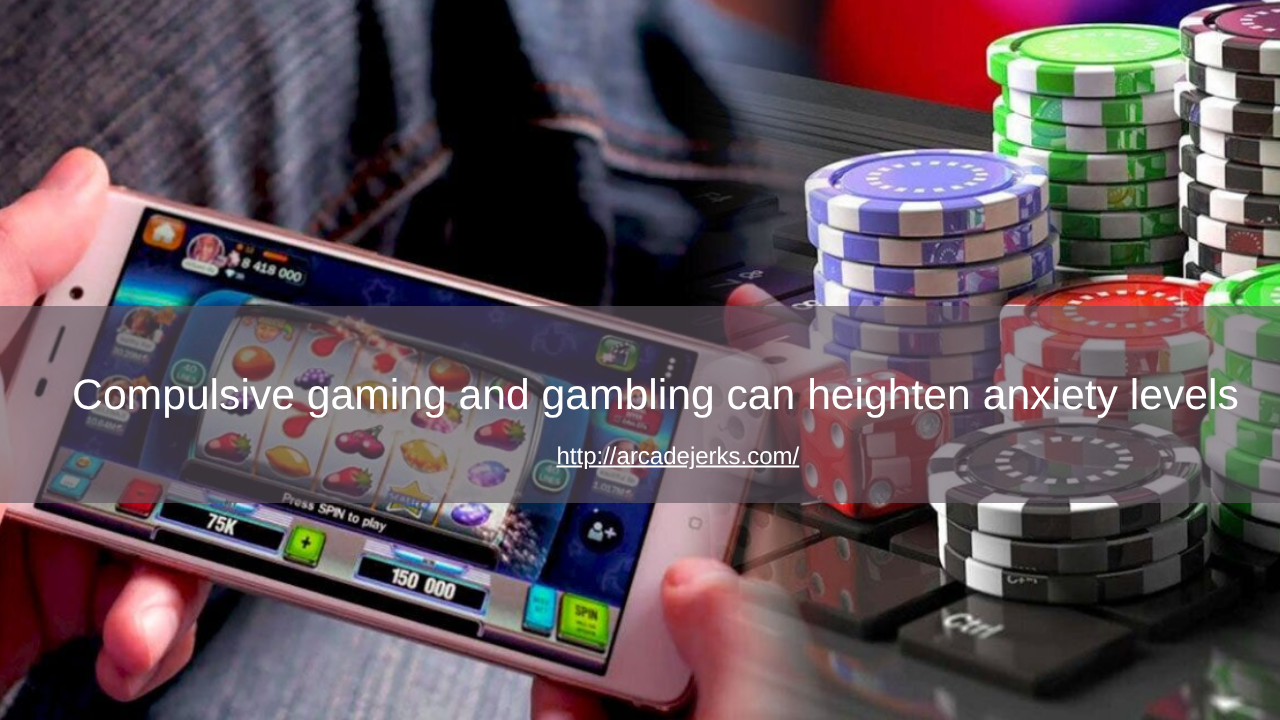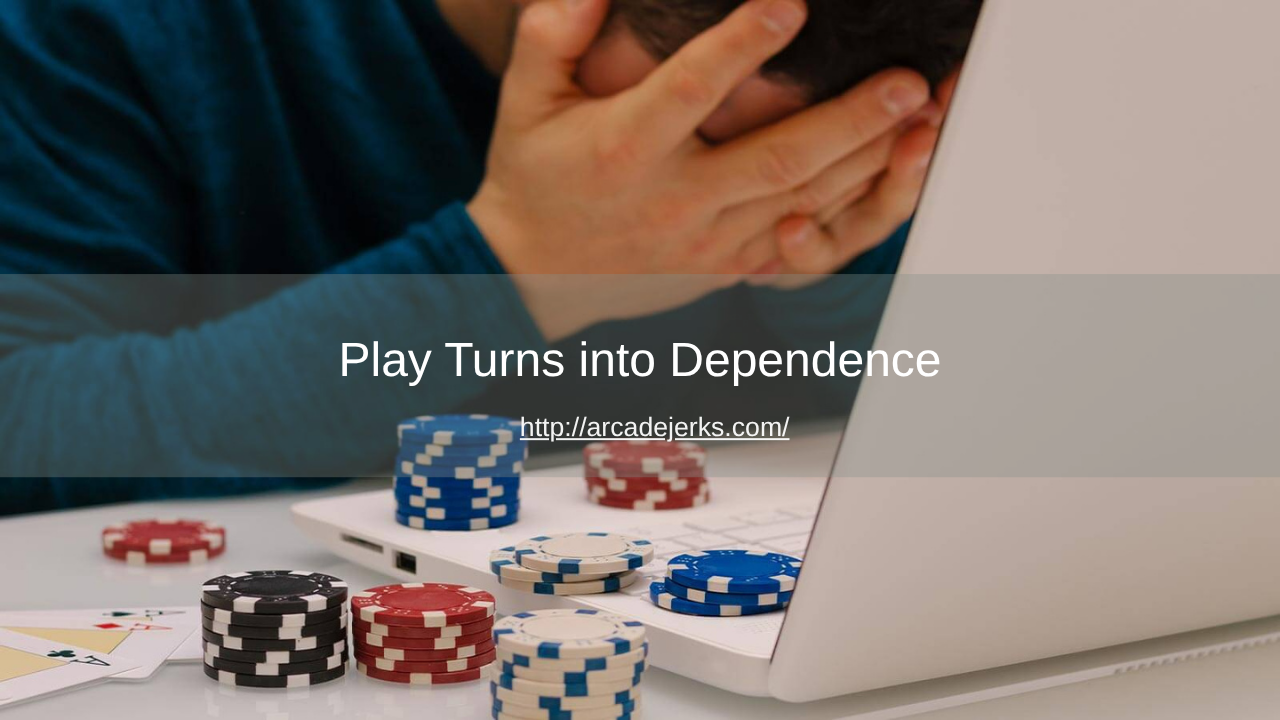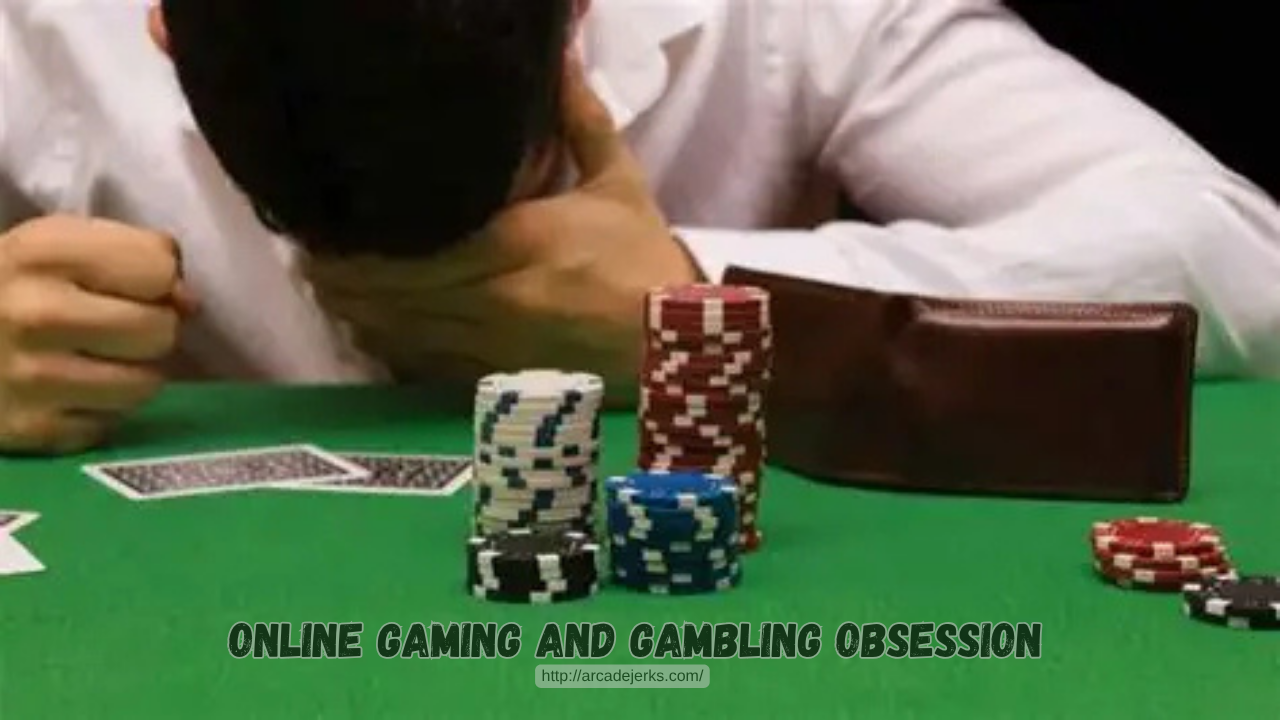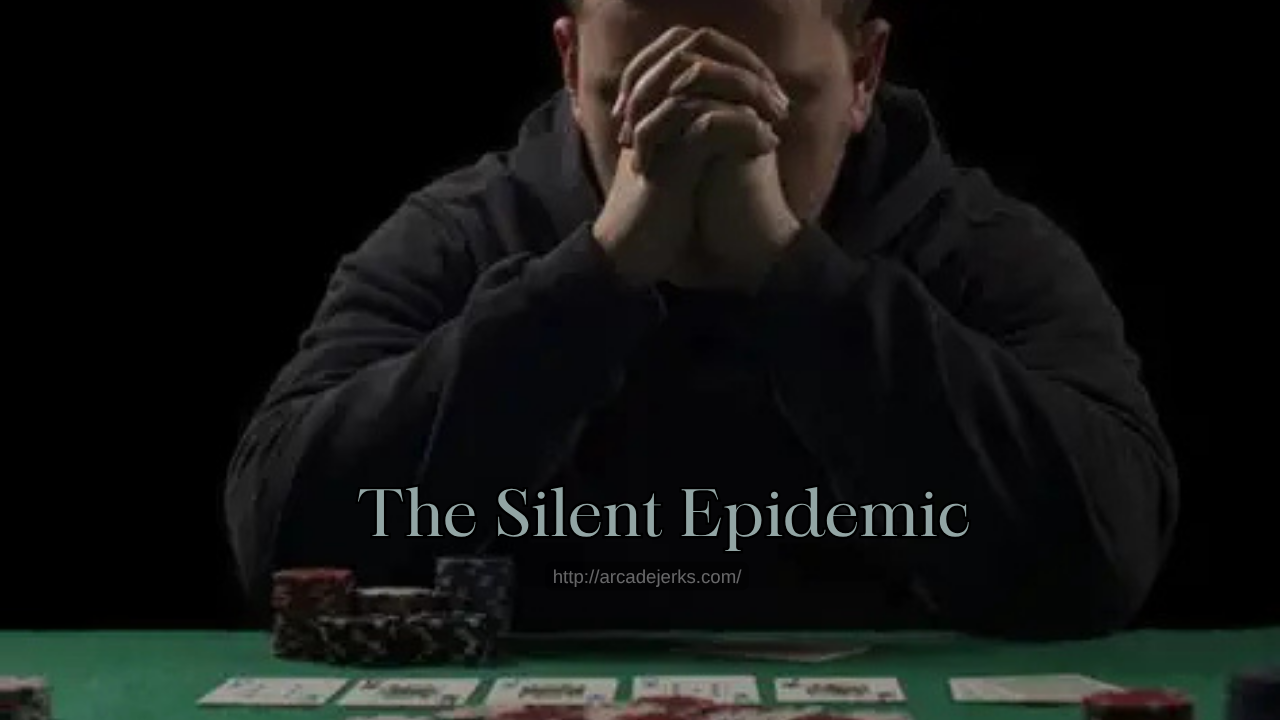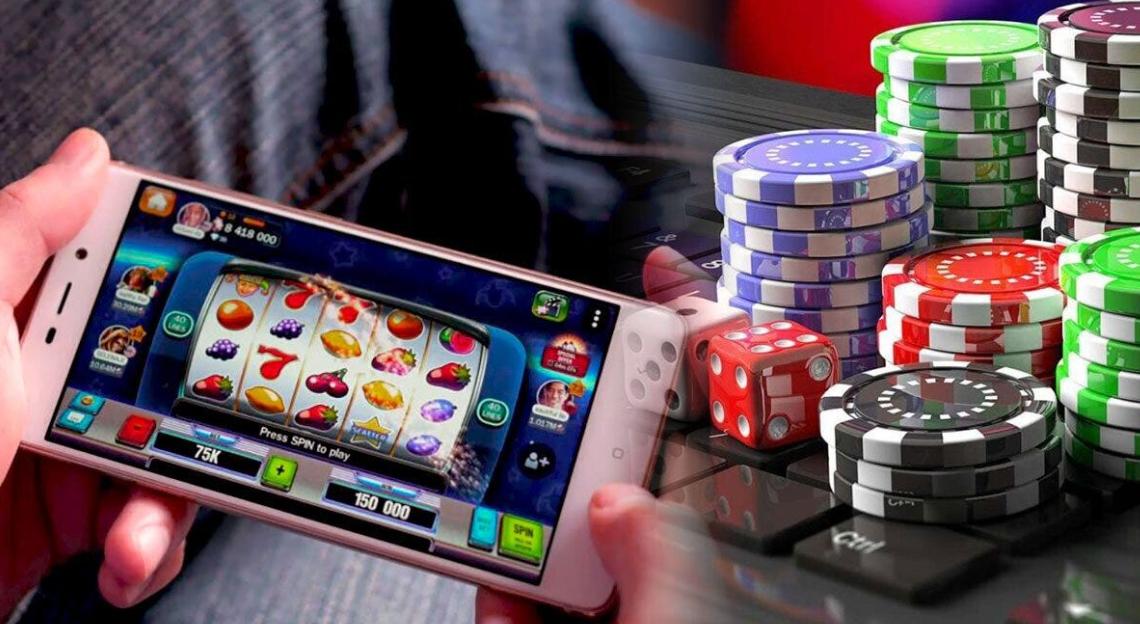
The digital world offers unprecedented entertainment, from online gaming communities to virtual gambling platforms. While these activities can provide excitement, social connection, and a sense of accomplishment, they also carry hidden risks. For some individuals, what begins as casual play can evolve into compulsive behavior that affects mental health, finances, and daily life. Understanding how these digital traps work and learning strategies to fight back is essential for anyone seeking to regain control.
How Online Gaming and Gambling Affect the Brain
Online gaming and gambling are designed to be highly engaging. Wins, achievements, and social recognition trigger the brain’s reward system, releasing dopamine, the neurotransmitter responsible for feelings of pleasure and motivation. Over time, the brain begins to crave these rewards, creating a cycle of repeated behavior.
This neurological response is part of why it can feel almost impossible to step away, even when negative consequences appear. The combination of instant gratification, variable rewards, and social reinforcement makes digital platforms particularly compelling and potentially addictive.
Recognizing the Signs of Digital Dependency
Awareness is the first step in fighting back. Some key indicators that gaming or gambling may be controlling your life include:
1. Excessive Time Online
Spending hours daily gaming or gambling, often losing track of time or neglecting responsibilities, is a common early warning sign.
2. Emotional Ups and Downs
Irritability, anxiety, or restlessness when unable to access games or betting platforms can indicate emotional dependence.
3. Financial Strain
Persistent in-game purchases or chasing losses in gambling can lead to significant financial stress, guilt, and shame.
4. Social Withdrawal
Choosing digital interaction over in-person relationships or avoiding social activities to play or gamble signals a growing dependency.
5. Neglect of Daily Life
Ignoring work, school, or personal health in favor of gaming or gambling shows that the activity has taken control over priorities.
Strategies to Reclaim Control
While digital addiction can feel overwhelming, practical steps and professional support make recovery possible.
Identify Triggers
Recognize what prompts compulsive behavior, whether emotional (stress or boredom), environmental (routine triggers), or social (peer influence).
Set Boundaries
Establish clear limits on screen time, spending, and gaming or gambling sessions. Replace digital engagement with healthy offline activities like exercise, hobbies, or social interactions.
Seek Professional Support
At Arcade Jerks, addiction recovery programs offer individualized therapy, inpatient and outpatient care, and holistic approaches to address both the behavioral and emotional aspects of dependency. Licensed professionals guide clients through evidence-based techniques such as cognitive-behavioral therapy to develop healthier coping strategies.
Embrace Holistic Healing
Mindfulness, nutrition, and physical wellness help restore balance, while faith-based support is available for those seeking spiritual guidance. Integrating these practices strengthens resilience and promotes long-term recovery.
Build a Support Network
Friends, family, and peer groups provide encouragement, accountability, and motivation during recovery, helping prevent relapse and maintain progress.
Taking Back Your Life
Online gaming and gambling can be entertaining, but when these activities begin to control your mind, they can disrupt mental health, relationships, and daily functioning. Recognizing the signs, understanding triggers, and seeking professional and holistic support are crucial steps in regaining balance.
At Arcade Jerks, compassionate, personalized care empowers individuals to break free from digital dependency and rebuild meaningful lives. With the right strategies and guidance, recovery is possible. If you or a loved one is struggling with online gaming or gambling, reach out today to take the first step toward reclaiming your life beyond the screen.