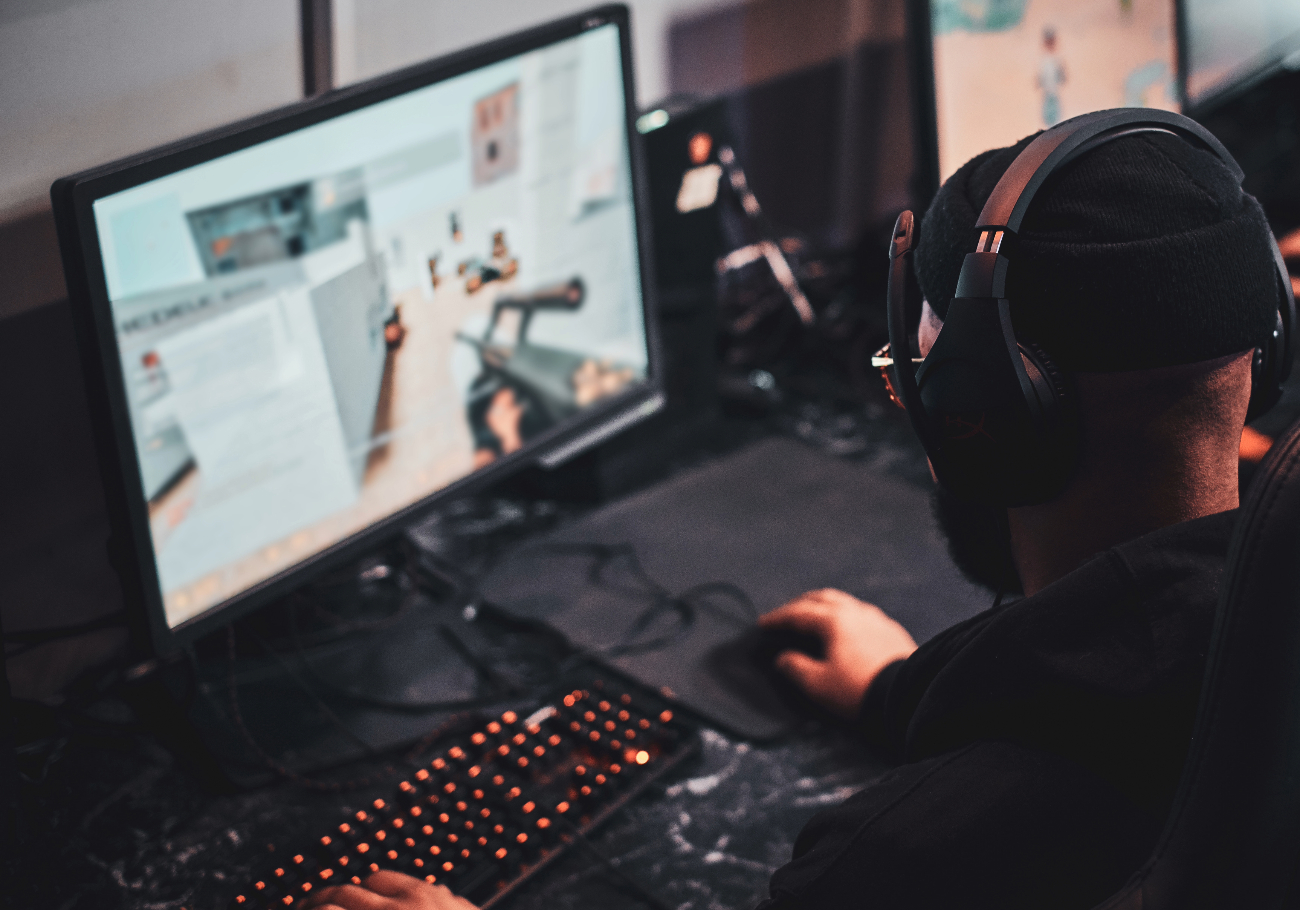
Online gaming is more than just entertainment for millions of people. It offers social connection, mental stimulation, and moments of fun in an increasingly digital world. However, when gaming begins to dominate your daily life, interfere with work, relationships, or mental health, it can become a serious concern. Understanding the signs of online gaming addiction and knowing your options for support is essential for reclaiming balance and well-being.
Understanding Online Gaming Addiction
Online gaming addiction, also known as gaming disorder, occurs when gaming takes priority over other areas of life. It is recognized by mental health professionals as a behavioral condition that requires attention and care. Addiction is not a reflection of weakness or failure. It is a pattern that develops over time, often as a way to cope with stress, anxiety, or social isolation.
Signs You May Be Struggling
Recognizing potential addiction early can help prevent long-term consequences. Common signs include:
- Excessive time spent gaming: Playing for hours without breaks and neglecting responsibilities.
- Loss of control: Inability to stop gaming despite negative consequences.
- Withdrawal symptoms: Feeling anxious, irritable, or restless when unable to play.
- Neglect of personal well-being: Skipping meals, losing sleep, or avoiding social interaction.
- Gaming as escape: Using games to avoid difficult emotions or stressors.
If these patterns resonate, it may be time to explore strategies for managing gaming behavior.
Gentle Steps Toward Balance
Recovery and habit management are most effective when approached with compassion and a clear plan. These strategies can help you regain control:
Set Realistic Boundaries
Establish daily limits for gaming and stick to them. Scheduling alternative activities, such as exercise or social time, can reduce the urge to play excessively.
Identify Triggers
Pay attention to situations, emotions, or stressors that lead to prolonged gaming sessions. Recognizing triggers allows you to create healthier coping mechanisms.
Engage in Holistic Practices
Mental, physical, and spiritual wellness are all important in recovery. Mindfulness, meditation, balanced nutrition, and exercise strengthen emotional resilience and reduce the need to rely on gaming for comfort.
Seek Professional Support
Addiction recovery programs provide structured care tailored to your needs. Inpatient and outpatient services offer guidance, accountability, and therapeutic interventions. Faith-based or holistic approaches can address underlying emotional or spiritual concerns, creating a stronger foundation for long-term recovery.
Connect With Support Networks
Sharing your experience with trusted friends, family, or peer support groups reduces isolation and fosters accountability. Compassionate guidance from others who understand addiction can make a meaningful difference.
Embracing Change Without Shame
It is important to approach recovery without guilt or self-judgment. Recognizing challenges and seeking help is a courageous step, not a sign of weakness. Creating balance allows you to enjoy gaming responsibly while maintaining your health, relationships, and daily responsibilities.
Take the Next Step Toward Recovery
If online gaming is interfering with your life, taking action today is vital. By recognizing the signs, setting boundaries, and seeking professional and holistic support, you can regain control and build a healthier lifestyle.
Do not wait to reclaim your balance. Contact a trusted addiction recovery center for individualized guidance and compassionate care. With the right support, it is possible to enjoy online gaming while living a full, balanced, and fulfilling life.