Click, Play, Repeat: The Addictive Cycle of Online Gaming and Gambling

For many people, online gaming and gambling are fun ways to unwind after a long day. They offer instant excitement, social connection, and the thrill of achievement. But for some, what starts as a harmless hobby becomes an unhealthy cycle that takes over daily life. The addictive loop of clicking, playing, and repeating can feel impossible to escape, leaving individuals trapped in a cycle that harms mental health, relationships, and overall well-being. Recognizing the patterns of this cycle is the first step toward breaking free and regaining balance.

The Psychology of the Cycle

Online gaming and gambling are built to capture attention and keep people engaged. Bright graphics, quick rewards, and unpredictable outcomes stimulate the brain’s reward system. Each win or achievement releases dopamine, the chemical linked to pleasure and motivation. Over time, the brain craves more of that stimulation, creating a compulsion to keep playing or betting even when the activity no longer feels enjoyable.

This cycle often mirrors substance addiction, where cravings and repeated use override logic and self-control. What may begin as a way to relieve stress can quickly develop into dependency.

Signs You May Be Stuck in the Loop

Constant Preoccupation

If thoughts about gaming or gambling dominate your day, even when you are not playing, it may signal dependency.

Escaping Reality

Using digital entertainment to avoid problems, emotions, or responsibilities can deepen the cycle and prevent healthy coping.

Loss of Control

Repeatedly promising yourself you will stop or cut back but failing to follow through is a key warning sign.

Financial and Emotional Strain

Gambling losses and overspending on in-game purchases can create stress, while guilt and shame often follow.

Neglecting Health and Relationships

Skipping meals, losing sleep, and withdrawing from loved ones to stay online are clear signs that the cycle has taken hold.

The Impact on Mental Health

The repetitive cycle of online gaming and gambling can lead to serious emotional consequences. Anxiety, depression, and feelings of worthlessness often emerge as people lose control of their behavior. Sleep deprivation, financial problems, and isolation only make the struggle more intense. Over time, many individuals feel trapped, believing that the cycle is unbreakable.

But recovery is possible. With professional support and a compassionate treatment approach, individuals can rebuild their lives and find healthier ways to cope.

Breaking the Cycle

At Arcade Jerks, addiction recovery programs are designed to help people understand and overcome the addictive cycle. By combining proven therapeutic methods with holistic and faith-based care, treatment addresses the root causes of gaming and gambling dependency.

Effective Strategies for Recovery

  • Inpatient and Outpatient Treatment: Structured support to meet different levels of need.
  • Therapy and Counseling: Evidence-based approaches like Cognitive Behavioral Therapy help reframe thought patterns.
  • Holistic Care: Mindfulness, nutrition, exercise, and spiritual support build overall resilience.
  • Community and Support: Group sessions and faith-centered approaches provide encouragement and accountability.

Conclusion

The addictive cycle of online gaming and gambling can feel like a trap of endless repetition. Yet with the right guidance and care, it is possible to break free and reclaim control over your life. If you or someone you love is struggling, do not wait for the cycle to take over completely. Reach out today to explore recovery options and take the first step toward healing, balance, and a future filled with real fulfillment beyond the screen.

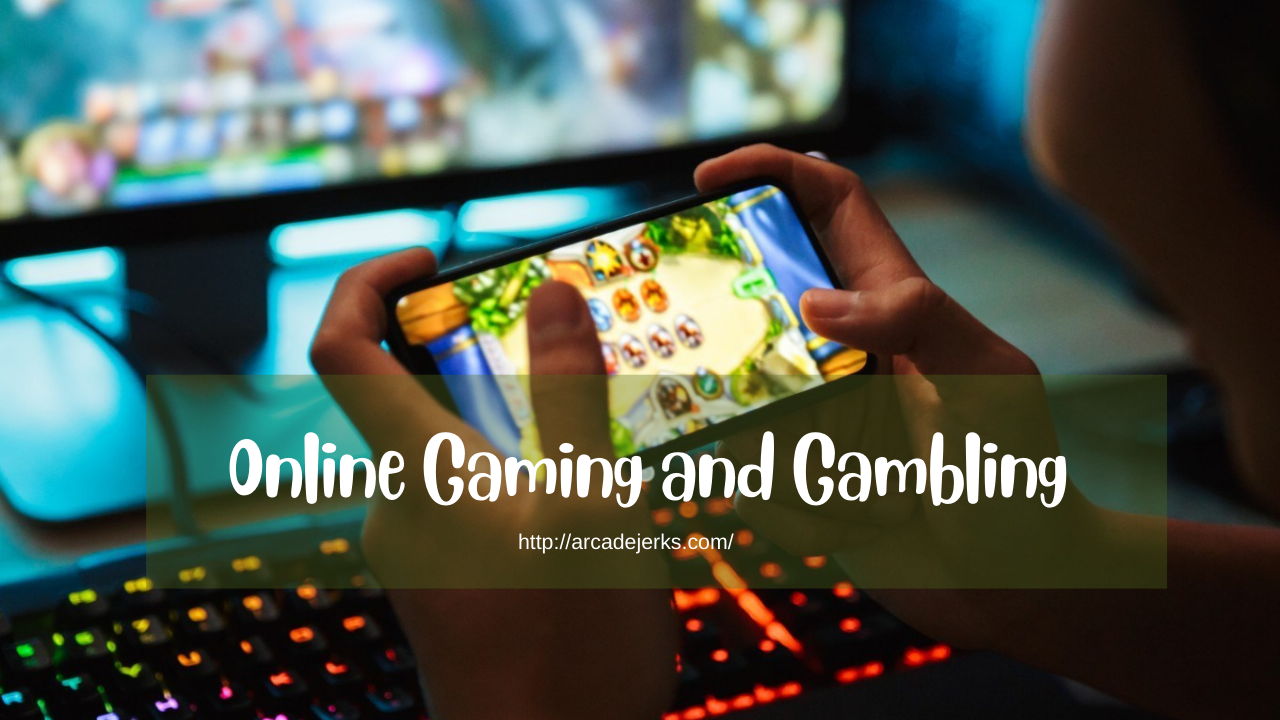
When Fun Turns Fatal: The Hidden Dangers of Digital Obsession

Digital entertainment has become a central part of modern life. From online gaming to virtual gambling, millions of people rely on screens for fun, social connection, and stress relief. However, what starts as harmless entertainment can sometimes spiral into a dangerous obsession. When digital activities begin to control thoughts, emotions, and daily routines, the consequences can be serious, affecting mental health, relationships, and overall well-being. Recognizing the hidden dangers of digital obsession is the first step toward reclaiming balance and control.

Understanding Digital Obsession

Digital obsession occurs when gaming or online gambling shifts from occasional leisure to a compulsive behavior. The brain’s reward system is triggered by wins, achievements, and social recognition, releasing dopamine and reinforcing the habit. Over time, the desire for these virtual highs can overshadow real-world responsibilities, creating an emotional dependency that is difficult to break.

While technology can provide temporary relief from stress or loneliness, relying on it as a coping mechanism can prevent individuals from addressing underlying emotional issues. This cycle of avoidance and reinforcement often escalates without intervention.

Warning Signs of Digital Obsession

Excessive Time and Attention

Spending long hours playing games or gambling online, often at the expense of work, school, or personal responsibilities, is a primary indicator of digital obsession.

Emotional Dependence

Feeling anxious, irritable, or depressed when unable to engage in online activities suggests that your mood is tied to digital stimulation.

Neglecting Relationships

Withdrawing from friends, family, and social activities is a common sign. Isolation reinforces the obsession and contributes to emotional distress.

Financial or Practical Strain

For those engaging in online gambling, chasing losses or overspending can create financial instability. Even gaming expenses can accumulate over time, leading to stress and guilt.

Failed Attempts to Cut Back

Repeatedly trying and failing to reduce screen time or gambling indicates that professional support may be needed.

The Emotional and Mental Health Impact

Digital obsession can have far-reaching effects on mental health. Common consequences include increased anxiety, depression, and low self-esteem. Sleep disturbances, poor nutrition, and lack of physical activity further exacerbate the situation. Over time, emotional regulation becomes more difficult, and the individual may feel trapped in a cycle that seems impossible to escape.

Recognizing that these behaviors are not just bad habits but signs of behavioral addiction is critical. Professional addiction recovery services are designed to address both the behavior and the underlying emotional and psychological triggers.

Paths to Recovery

Recovery is possible with the right approach. Treatment programs at centers specializing in gaming and gambling addiction focus on holistic, faith-based, and individualized care.

  • Inpatient and Outpatient Programs: Provide structured support tailored to each individual’s needs.
  • Therapy and Counseling: Cognitive Behavioral Therapy and personalized counseling help identify triggers and develop healthier coping strategies.
  • Holistic Approaches: Mindfulness, physical wellness, and nutrition counseling support overall health and resilience.
  • Faith-Based Support: Spiritual guidance can help individuals find meaning, hope, and strength during recovery.

Conclusion

Digital entertainment can provide joy and social connection, but when fun turns into obsession, the consequences are real and serious. Recognizing the warning signs and seeking compassionate, professional help is essential for reclaiming your life. At Arcade Jerks, recovery services focus on personalized care, mental health support, and holistic healing to guide individuals toward balance and lasting well-being.

If you or someone you love is struggling with digital obsession, take the first step today. Recovery is possible, and help is within reach. Reach out and begin the journey toward a healthier, more fulfilling life beyond the screen.

The Entertainment Trap: How Online Gaming and Gambling Hook Your Brain

Online gaming and gambling have become some of the most popular forms of entertainment in today’s digital world. With instant access through smartphones, tablets, and computers, millions of people enjoy the excitement of virtual wins and achievements. But behind the flashing lights and thrilling moments lies a hidden danger. These activities are designed to keep you engaged, and in some cases, they can trap your brain in a cycle of dependency. Understanding how this works is key to recognizing when fun has shifted into addiction.

Why Gaming and Gambling Feel So Rewarding

Both gaming and gambling tap into the brain’s natural reward system. Every time you win a hand, unlock a new level, or score a jackpot, your brain releases dopamine, a chemical that creates feelings of pleasure. This encourages you to repeat the behavior, hoping for another rush of satisfaction.

Over time, this cycle can become addictive. The brain starts to crave the highs, and ordinary life may feel less exciting by comparison. What started as a way to unwind after work can slowly become the center of your daily routine.

The Science Behind the Trap

Variable Rewards

Unlike predictable rewards, gaming and gambling often use variable reward systems. You never know when the next win will come, which makes you keep playing “just one more time.” This unpredictability is one of the most powerful psychological hooks.

Escapism and Stress Relief

Many people turn to online entertainment as an escape from stress, loneliness, or anxiety. While it may provide temporary relief, it can mask deeper emotional struggles and make recovery more difficult.

Social Reinforcement

Online games and gambling platforms often include leaderboards, chatrooms, or competitive features. These social elements create a sense of community but can also pressure individuals to keep playing to maintain status or connection.

Signs You May Be Caught in the Entertainment Trap

  • Spending increasing amounts of time gaming or gambling despite negative consequences
  • Feeling restless, irritable, or anxious when not engaged in online activities
  • Neglecting work, school, or personal responsibilities
  • Hiding time or money spent from loved ones
  • Struggling to cut back even after repeated attempts

If these signs feel familiar, it may be time to take a closer look at your relationship with online entertainment.

The Emotional and Mental Health Impact

Gaming and gambling addiction can lead to more than lost time and money. Many individuals experience heightened stress, depression, and low self-esteem. Financial struggles from gambling can create shame and strain family relationships. Excessive gaming can lead to isolation, poor sleep, and declining physical health. The longer these patterns continue, the harder they can be to break without support.

Finding a Path to Recovery

At treatment centers that specialize in digital and behavioral addictions, recovery is approached with compassion and understanding. Support is available through:

  • Inpatient and outpatient programs that provide structured, professional care
  • Holistic approaches such as mindfulness, physical wellness, and nutrition counseling
  • Faith-based support for individuals who want spiritual guidance in their healing journey
  • Individualized treatment plans tailored to each person’s unique challenges and strengths

Conclusion

Online gaming and gambling may promise excitement and escape, but they can also trap the brain in harmful cycles that affect mental health, relationships, and daily life. Recognizing the signs of dependency is the first step toward freedom.

At Arcade Jerks, compassionate and personalized care is available to help you or a loved one break free from the entertainment trap. Recovery is possible, and with the right support, you can rediscover balance, peace, and purpose. Do not wait for tomorrow—reach out today and take the first step toward lasting change.

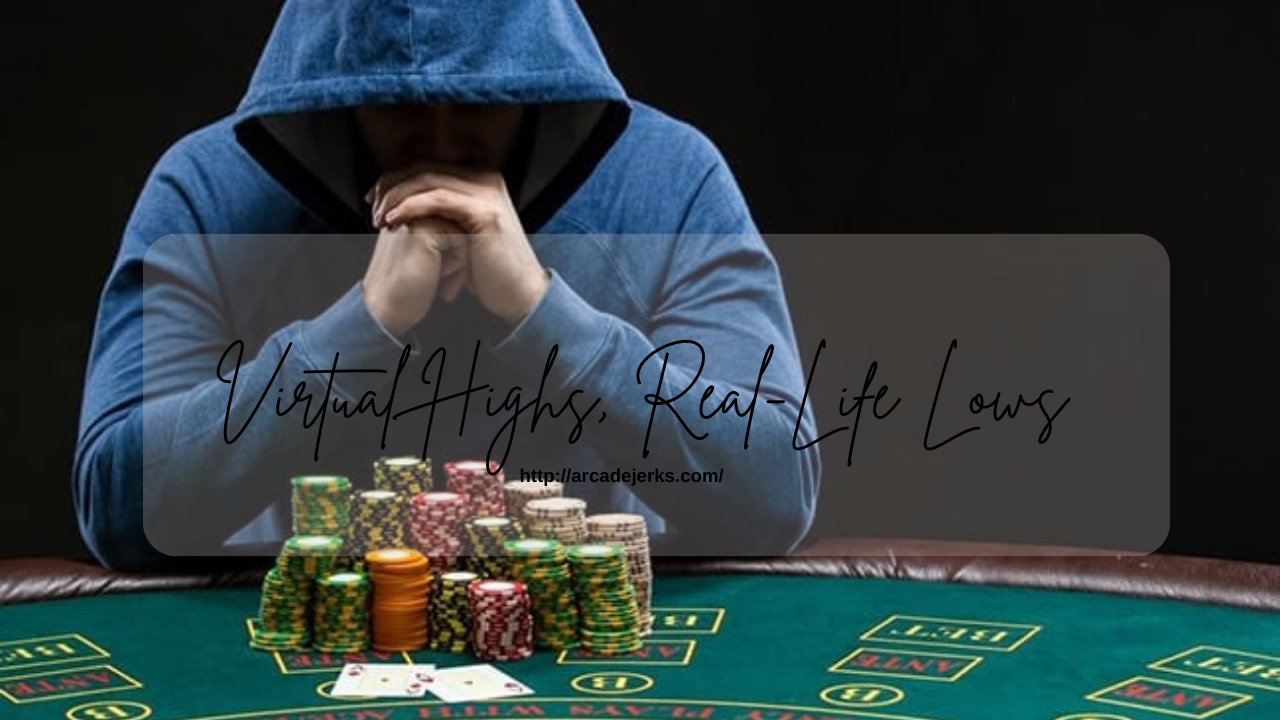
Virtual Highs, Real-Life Lows: The Emotional Cost of Gaming and Gambling Addiction

Online gaming and gambling offer an exciting escape from everyday life. They provide immediate rewards, social connection, and a sense of accomplishment that can be difficult to replicate in real-world situations. However, for some individuals, these digital experiences become more than entertainment. What begins as a fun activity can quickly escalate into a compulsive habit, causing serious emotional strain and affecting mental health, relationships, and overall quality of life. Understanding the emotional cost of gaming and gambling addiction is essential to taking the first step toward recovery.

The Psychological Pull of Gaming and Gambling

Gaming and gambling are designed to engage the brain’s reward system. Every achievement, win, or level-up triggers dopamine release, creating pleasurable feelings and reinforcing the behavior. This reinforcement makes it easy to spend hours online or continue betting, often without noticing the negative impact on daily life.

The emotional pull can be subtle. Many individuals turn to games or gambling to cope with stress, boredom, or anxiety. While this may provide temporary relief, over time it becomes a coping mechanism that masks underlying emotional struggles rather than addressing them.

Signs That Addiction is Affecting Your Emotional Well-Being

Mood Swings and Irritability

Frequent gaming or gambling often leads to emotional dependence. Withdrawal from these activities can result in irritability, anxiety, or even depression, highlighting the deep connection between the behavior and emotional regulation.

Guilt and Shame

Individuals may feel guilt over the time or money spent online, or shame over hiding these behaviors from friends and family. These feelings intensify emotional distress and can perpetuate the cycle of addiction.

Isolation from Loved Ones

Gaming or gambling can become so consuming that real-life relationships suffer. Social withdrawal reinforces feelings of loneliness and emotional instability.

Loss of Motivation and Focus

Priorities shift as the addiction takes center stage. Work, school, or personal goals may be neglected, which can further exacerbate feelings of frustration, helplessness, and low self-esteem.

The Importance of Professional Support

Breaking free from gaming or gambling addiction requires both awareness and structured support. Addiction recovery services focus not just on stopping the behavior, but on addressing the emotional and psychological triggers behind it.

  • Inpatient and Outpatient Programs: These programs offer structured care tailored to individual needs. Inpatient programs provide immersive support, while outpatient programs allow for ongoing treatment alongside daily responsibilities.
  • Holistic and Faith-Based Approaches: Treatments often incorporate mindfulness, physical wellness, nutrition, and spiritual guidance to strengthen both mind and body.
  • Individualized Therapy: Personalized therapy helps individuals understand their triggers, develop healthier coping strategies, and rebuild emotional resilience.

Practical Steps Toward Emotional Healing

  1. Recognize the Signs: Awareness is the first step. Identify how gaming or gambling is affecting your mood, relationships, and daily responsibilities.
  2. Set Boundaries: Limit time and money spent on digital entertainment. Use timers, budgeting tools, or self-exclusion options if necessary.
  3. Seek Professional Guidance: Counselors, therapists, and addiction specialists can provide strategies tailored to your unique needs.
  4. Reconnect With the Real World: Engage in offline activities, hobbies, and social interactions to restore balance and emotional well-being.

Conclusion

The virtual highs of gaming and gambling can feel rewarding, but they often come at the expense of real-life emotional health. Recognizing the signs of addiction and seeking compassionate, individualized support is crucial for recovery. At Arcade Jerks, our approach combines professional addiction recovery services, mental health treatment, and holistic care to help individuals regain control and find joy beyond the screen.

If you or a loved one are struggling, taking the first step today can set the path toward emotional healing and a balanced, fulfilling life. Reach out for support and begin your journey to recovery.

Trapped by Technology: The Dark Side of Online Entertainment

Online entertainment has transformed how we spend our free time. From immersive video games to online gambling platforms, the digital world offers endless excitement at our fingertips. For many, it is a harmless way to relax. But for others, what starts as a hobby can spiral into dependency. When the screen becomes a lifeline rather than a leisure activity, technology can trap individuals in patterns of addiction that damage mental health, relationships, and overall well-being.

Understanding the Allure of Online Entertainment

Digital platforms are designed to capture attention and keep people coming back. Gaming offers instant gratification with achievements, rewards, and a sense of progress. Online gambling promises the thrill of chance and the hope of big wins. These activities stimulate the brain’s reward system, creating feelings of excitement that are difficult to replicate in daily life. Over time, this stimulation can lead to compulsive behavior where logging off feels nearly impossible.

Signs That Entertainment Has Turned Into Dependency

Recognizing the signs of digital dependency early can help prevent long-term consequences. Some red flags include:

Excessive Time Online

Spending hours each day gaming or gambling, often losing track of time and neglecting work, school, or family responsibilities.

Emotional Reliance

Using digital platforms as the primary way to cope with stress, sadness, or loneliness. When emotions are tied to gameplay or betting outcomes, dependency is likely forming.

Financial Struggles

For those engaged in online gambling, chasing losses or hiding spending from loved ones can lead to serious financial strain.

Social Withdrawal

As technology takes center stage, relationships and real-world interactions often suffer, leading to isolation.

Failed Attempts to Quit

Repeated efforts to cut back or stop without success can indicate that professional help may be needed.

The Mental Health Impact

Addiction to gaming or gambling does not only affect time and finances. It also takes a serious toll on mental health. Anxiety, depression, and low self-esteem often develop when individuals feel stuck in a cycle they cannot control. Sleep disturbances, poor nutrition, and lack of exercise only make these challenges more difficult to manage. Left untreated, digital dependency can erode a person’s confidence and sense of self-worth.

Finding Hope and Healing

The good news is that recovery is possible. Addiction recovery services focus on addressing the root causes of dependency while equipping individuals with healthier coping skills. At treatment centers that specialize in holistic, faith-based, and individualized care, healing is approached from every angle:

  • Inpatient programs provide intensive support and structure for those needing a safe, focused environment.
  • Outpatient care allows individuals to maintain daily responsibilities while receiving guidance and therapy.
  • Holistic therapies such as mindfulness, nutrition counseling, and physical activity help restore balance to the body and mind.
  • Faith-based counseling provides spiritual support for those who want to strengthen their recovery journey through their beliefs.

Taking the Next Step

If you or someone you love feels trapped by technology, know that help is available. What feels like an endless cycle today can be broken with the right support. By reaching out for professional addiction recovery services, you can take the first step toward freedom, healing, and a healthier future.

At Arcade Jerks, care is compassionate, personalized, and rooted in understanding that every recovery journey is unique. It is never too late to regain control of your life and discover joy beyond the screen.

When the Game Doesn’t End: Spotting the Signs of Digital Dependency

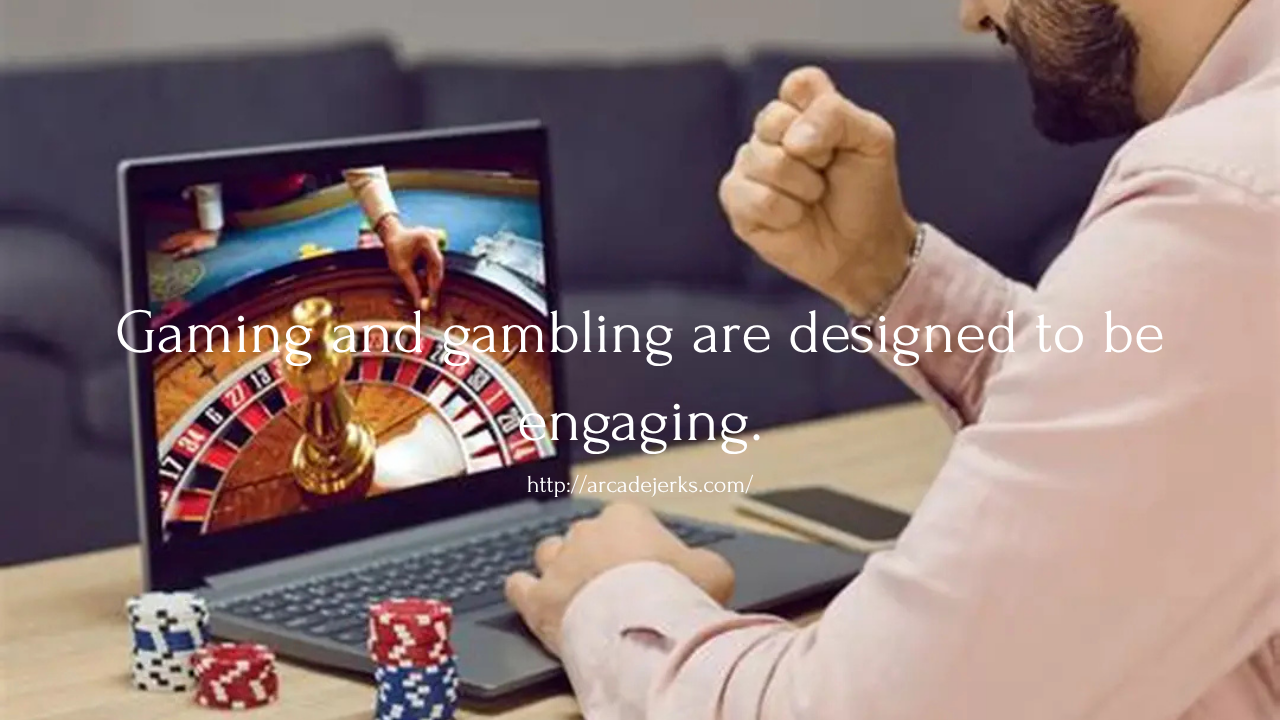
In today’s hyper-connected world, the line between healthy entertainment and harmful dependency can blur without warning. Online gaming and gambling are designed to be engaging and rewarding, but for some, the activity never seems to stop. What begins as an exciting escape can quietly turn into a controlling force that affects every part of life. Recognizing the signs of digital dependency is the first step toward reclaiming balance, mental health, and a sense of control.

Understanding Digital Dependency

Digital dependency occurs when online gaming or gambling shifts from a fun pastime into a compulsive behavior. The brain’s reward system becomes conditioned to seek the rush of winning, leveling up, or unlocking rewards. Over time, this can result in excessive time spent online, emotional distress when away from screens, and neglect of responsibilities or relationships.

When this happens, the activity is no longer just a game. It becomes a coping mechanism, a way to escape stress, loneliness, or personal challenges. This is where professional addiction recovery services can make a life-changing difference.

Key Warning Signs You Should Not Ignore

1. Loss of Time Awareness

If you find yourself playing or betting late into the night, missing sleep, meals, or important obligations, it may be more than just enthusiasm. The inability to limit playtime is a core sign of dependency.

2. Emotional Withdrawal

Mood swings, irritability, or anxiety when unable to game or gamble often indicate that your emotional state is tied to your online activity. This is a red flag for behavioral addiction.

3. Neglect of Real-Life Relationships

Digital dependency often causes people to withdraw from family, friends, and real-world social activities. Over time, this isolation can lead to depression and worsen addictive patterns.

4. Financial Strain

For online gambling especially, the temptation to chase losses can lead to debt, hidden spending, or borrowing money. Financial stress compounds the emotional toll.

5. Failed Attempts to Cut Back

If you have tried to limit or stop your gaming or gambling but find yourself returning quickly to old habits, it may be time to seek professional help.

The Impact on Mental Health

Unchecked digital dependency can lead to heightened stress, anxiety, and feelings of hopelessness. Sleep deprivation, poor nutrition, and a lack of physical activity can worsen the mental and physical toll. Over time, the addiction can also erode self-esteem, as individuals feel powerless against their own behaviors.

Finding a Path to Recovery

At treatment centers that provide holistic, faith-based, and individualized care, recovery focuses on healing the whole person, not just stopping the behavior. This may include:

  • Personalized therapy plans to address emotional triggers.
  • Inpatient and outpatient programs for different levels of care.
  • Faith-based counseling for those seeking spiritual guidance.
  • Holistic therapies like meditation, nutrition counseling, and physical activity to restore balance.

Taking the Next Step

If gaming or gambling has taken control of your life, you are not alone. Help is available, and recovery is possible. By recognizing the signs of digital dependency and seeking compassionate, professional treatment, you can rebuild your life and find joy beyond the screen.

From Leisure to Liability: How Gaming and Gambling Can Take Over Your Life

In today’s digital age, gaming and gambling are more accessible, immersive, and socially accepted than ever before. Whether it’s spinning the roulette wheel on a betting app or leveling up in an online multiplayer game, millions of people turn to these activities for fun, stress relief, and social interaction. But what happens when a harmless hobby turns into a harmful habit? When gaming and gambling start to dominate your thoughts, time, and finances, they transition from leisure to liability.

The Appeal That Turns Addictive

Gaming and gambling are designed to be engaging. Fast-paced gameplay, unpredictable rewards, and competitive elements stimulate the brain’s pleasure center by releasing dopamine—the same chemical triggered by drugs and alcohol. Over time, this creates a strong desire to repeat the behavior, often escalating the time and money spent.

The problem often begins innocently. A gamer may start playing for an hour a day, or a gambler may place occasional small bets. But as the habit deepens, they find themselves needing longer sessions or bigger risks to feel the same thrill. Before long, gaming or gambling becomes a central part of life, pushing aside relationships, responsibilities, and self-care.

Warning Signs You’re Losing Control

The shift from healthy recreation to addiction is usually gradual. Recognizing the warning signs early can make a significant difference. Some of the most common red flags include:

  • Loss of Time Awareness: Spending hours playing or betting, often at the expense of work, school, or sleep.
  • Emotional Dependence: Using gaming or gambling to escape problems, cope with anxiety, or lift your mood.
  • Chasing Losses: In gambling, this means betting more to recover previous losses—a dangerous cycle that deepens financial trouble.
  • Neglecting Relationships: Withdrawing from family, friends, and real-world social activities.
  • Hiding the Habit: Lying about the time or money spent on games or gambling apps due to guilt or shame.
  • Failed Attempts to Quit: Trying to cut back without success, often leading to frustration and more intense binges.

Real-Life Consequences

When left unchecked, gaming and gambling addiction can cause serious consequences. Financial stress from gambling losses can lead to debt, legal problems, or strained family dynamics. Gaming addiction may result in academic failure, job loss, or deteriorating physical health due to poor diet, lack of sleep, and inactivity. Mentally, both behaviors are linked to anxiety, depression, and low self-esteem, especially when individuals feel trapped or powerless to stop.

Taking Back Control

Recovery starts with awareness and a willingness to change. Some practical steps include:

  • Setting Time and Spending Limits: Use apps or platform tools to restrict usage.
  • Finding Healthy Alternatives: Replace screen time with hobbies, exercise, or in-person social activities.
  • Seeking Professional Help: Therapists specializing in behavioral addictions can offer personalized strategies for recovery.
  • Connecting with Support Groups: Peer groups like Gamblers Anonymous or gaming addiction forums provide shared experiences and accountability.

Conclusion

Gaming and gambling may begin as leisure, but when they start interfering with your health, relationships, or finances, they become liabilities. Recognizing the signs and taking action can help you reclaim your time, your focus, and your life.

Beyond the Screen: The Mental Health Risks of Gaming and Gambling Addiction

Online gaming and gambling have become increasingly common in modern life. With a smartphone, tablet, or computer, people can instantly dive into virtual worlds, place bets, or chase the next achievement. While these activities offer entertainment and a temporary escape from reality, they also come with serious risks—particularly to mental health. When gaming and gambling become more than just a pastime, the consequences can be damaging and long-lasting.

The Psychology of Addiction

Gaming and gambling both tap into the brain’s reward system. Every win, achievement, or jackpot triggers a surge of dopamine—the same chemical linked to pleasure and motivation. Over time, the brain begins to crave this stimulation, creating a cycle of repeated play. What starts as a hobby can quickly turn into a compulsion, leading to psychological dependence.

This dependency can quietly creep into daily life. A player might initially intend to unwind with a game for an hour, but soon find themselves gaming for five. A gambler may start with small bets but end up chasing losses, risking more and more. As the habit grows, so does the emotional toll.

Mental Health Consequences

Gaming and gambling addiction can cause or worsen several mental health issues:

  • Anxiety and Depression – The constant chase for wins, the fear of missing out on events, or the pressure to perform in competitive gaming can increase anxiety. When players experience losses or failure, it often leads to feelings of hopelessness and depression.
  • Stress and Burnout – Spending excessive time gaming or gambling disrupts healthy routines like sleep, exercise, and social interaction. Over time, this imbalance leads to chronic stress and exhaustion.
  • Isolation and Loneliness – Many people caught in addiction withdraw from friends and family, preferring time alone with their devices. This isolation can fuel feelings of loneliness and social disconnection.
  • Guilt and Shame – When individuals realize their habit is hurting their relationships, finances, or career, they often experience guilt. This emotional pain can push them further into the cycle, using gaming or gambling as a coping mechanism.
  • Loss of Self-Control – A key symptom of addiction is the inability to stop, even when it’s causing harm. This loss of control can lead to feelings of powerlessness, fueling additional stress and emotional distress.

Seeking Help and Finding Balance

Breaking free from gaming and gambling addiction starts with awareness. It’s important to recognize when these activities are interfering with mental health and overall well-being. Here are some steps toward recovery:

  • Set Limits – Use time management tools to monitor and control how long you spend gaming or gambling.
  • Reach Out for Support – Talking to a mental health professional can help address the underlying emotional triggers.
  • Find Healthy Outlets – Replace digital habits with physical activity, hobbies, or social engagement.
  • Join a Support Group – Groups like Gamblers Anonymous or online gaming recovery communities can provide encouragement and accountability.

Conclusion

Gaming and gambling may seem like harmless entertainment, but when the screen starts controlling your life, the risks to mental health are real. Recognizing the problem and seeking help is the first step toward a healthier, more balanced life.

From Hobby to Habit: How to Recognize and Recover from Online Gaming and Gambling Addiction

In our digital world, online gaming and gambling have become more than just hobbies—they’re woven into daily routines, social interactions, and even personal identities. While these activities can offer excitement, stress relief, and entertainment, they can also quietly evolve into dangerous habits. For some, what began as a fun pastime slowly transforms into a compulsive behavior, leading to mental, financial, and emotional distress. Recognizing when a hobby becomes a harmful habit is essential in taking the first steps toward recovery.

When Fun Becomes a Fixation

Gaming and gambling are designed to be engaging. Online games reward progress with points, levels, and achievements, while gambling promises the thrill of winning money. Both activate the brain’s reward system, releasing dopamine—the same chemical involved in drug and alcohol addiction. This feel-good response keeps people coming back for more, often without realizing how much time or money they’re spending.

Over time, what starts as recreational play can dominate your life. You might begin skipping meals, losing sleep, or avoiding responsibilities just to keep playing or betting. The shift from choice to compulsion is gradual but powerful.

Signs of Gaming and Gambling Addiction

Recognizing the signs early can prevent deeper struggles. Here are some red flags to watch for:

  • Loss of Control: You find it difficult to stop playing or gambling, even when you want to.
  • Neglect of Daily Life: Work, school, or relationships suffer due to your digital habits.
  • Escapism: You rely on gaming or gambling to cope with stress, anxiety, or depression.
  • Financial Consequences: You spend more money than intended, or gamble to “win back” losses.
  • Secrecy and Guilt: You hide your activity or feel ashamed after playing or betting.
  • Withdrawal Symptoms: You feel restless, anxious, or irritable when not engaging in the behavior.

If these symptoms sound familiar, it may be time to reevaluate your relationship with gaming or gambling.

Steps Toward Recovery

  1. Admit the Problem
    The first and hardest step is acknowledging that your hobby has become unhealthy. Be honest with yourself and others about how it’s affecting your life.
  2. Set Boundaries
    Limit your time and money spent on games or gambling apps. Use screen timers, budgeting tools, or self-exclusion features on gambling websites.
  3. Replace with Healthy Habits
    Find new ways to fill the void. Exercise, social activities, creative projects, or learning new skills can offer healthier forms of stimulation and achievement.
  4. Seek Professional Help
    Therapists specializing in behavioral addiction can help uncover the root causes and offer tools to regain control. Cognitive Behavioral Therapy (CBT) is especially effective in changing compulsive behaviors.
  5. Join Support Networks
    Groups like Gamblers Anonymous or online forums for gaming addiction provide encouragement, accountability, and shared experiences.

Conclusion

Online gaming and gambling may start as harmless fun, but they can quickly spiral into addiction. The journey from hobby to habit is subtle, but recovery is always possible. By recognizing the signs and taking action, you can reclaim your time, your focus, and your life—one healthy choice at a time.

Are You Playing the Game, or Is It Playing You? The Slippery Slope of Online Gaming and Gambling

Online gaming and gambling have revolutionized entertainment, offering instant access to immersive worlds and thrilling bets right from our devices. What once were occasional leisure activities have evolved into powerful digital experiences that captivate millions worldwide. However, beneath the surface of fun lies a slippery slope that can trap players in cycles of obsession and loss. The question is: Are you truly in control, or is the game controlling you?

The Allure of Online Gaming and Gambling

At first glance, online gaming and gambling seem harmless and entertaining. Games provide challenging quests, social interaction, and rewards, while gambling offers the rush of risk and the potential for financial gain. Both activities trigger the brain’s reward system, releasing dopamine, which creates feelings of pleasure and motivates repeat behavior.

What makes online platforms particularly addictive is their design. They offer continuous play, variable rewards, social competitions, and easy access at any time or place. This convenience, combined with psychological triggers like near wins, leveling up, or bonus rounds, keeps players hooked longer than they intend.

When Fun Turns to Fixation

The transition from casual enjoyment to problematic behavior can be subtle. At first, gaming or gambling might be a way to unwind after a stressful day. But as the brain becomes conditioned to seek these dopamine highs, players may find themselves spending more hours or money than planned.

Warning signs of slipping into addiction include:

  • Increasing time spent playing or betting despite negative consequences
  • Chasing losses by gambling more to recover money lost
  • Feeling restless or irritable when unable to play
  • Neglecting work, school, or relationships
  • Hiding or lying about gaming or gambling habits

The Psychological Pull

The psychology behind this dependency is complex. Both gaming and gambling exploit what psychologists call intermittent reinforcement—rewarding players unpredictably. This uncertainty makes the behavior more addictive than consistent rewards because the brain is driven to “try again” in hopes of the next big win or achievement.

Moreover, online environments often blur the lines between skill and chance. Games with loot boxes or microtransactions can mimic gambling, encouraging players to spend real money on virtual rewards. Social pressures and competitive elements add another layer, making quitting feel like losing social status or falling behind.

Breaking Free from the Grip

Recognizing that you might be caught on this slippery slope is crucial. Once aware, you can take steps to regain control:

  • Set Limits: Use tools like screen timers and spending caps to control your gaming and gambling.
  • Create Boundaries: Designate specific times for play and stick to them. Avoid late-night sessions that disrupt sleep.
  • Seek Support: Talk to trusted friends or professionals. Support groups for gaming or gambling addiction provide community and accountability.
  • Find Balance: Replace digital entertainment with offline hobbies, physical activities, and socializing.

Conclusion

Online gaming and gambling offer incredible experiences but come with risks that shouldn’t be ignored. The line between playing the game and being played by it can blur quickly, making it vital to stay mindful of your habits. By understanding the psychological hooks and setting clear boundaries, you can enjoy these digital worlds without losing yourself in them.