Digital Traps: Why Online Gaming and Gambling Can Control Your Mind and How to Fight Back

The digital world offers unprecedented entertainment, from online gaming communities to virtual gambling platforms. While these activities can provide excitement, social connection, and a sense of accomplishment, they also carry hidden risks. For some individuals, what begins as casual play can evolve into compulsive behavior that affects mental health, finances, and daily life. Understanding how these digital traps work and learning strategies to fight back is essential for anyone seeking to regain control.

How Online Gaming and Gambling Affect the Brain

Online gaming and gambling are designed to be highly engaging. Wins, achievements, and social recognition trigger the brain’s reward system, releasing dopamine, the neurotransmitter responsible for feelings of pleasure and motivation. Over time, the brain begins to crave these rewards, creating a cycle of repeated behavior.

This neurological response is part of why it can feel almost impossible to step away, even when negative consequences appear. The combination of instant gratification, variable rewards, and social reinforcement makes digital platforms particularly compelling and potentially addictive.

Recognizing the Signs of Digital Dependency

Awareness is the first step in fighting back. Some key indicators that gaming or gambling may be controlling your life include:

1. Excessive Time Online

Spending hours daily gaming or gambling, often losing track of time or neglecting responsibilities, is a common early warning sign.

2. Emotional Ups and Downs

Irritability, anxiety, or restlessness when unable to access games or betting platforms can indicate emotional dependence.

3. Financial Strain

Persistent in-game purchases or chasing losses in gambling can lead to significant financial stress, guilt, and shame.

4. Social Withdrawal

Choosing digital interaction over in-person relationships or avoiding social activities to play or gamble signals a growing dependency.

5. Neglect of Daily Life

Ignoring work, school, or personal health in favor of gaming or gambling shows that the activity has taken control over priorities.

Strategies to Reclaim Control

While digital addiction can feel overwhelming, practical steps and professional support make recovery possible.

Identify Triggers

Recognize what prompts compulsive behavior, whether emotional (stress or boredom), environmental (routine triggers), or social (peer influence).

Set Boundaries

Establish clear limits on screen time, spending, and gaming or gambling sessions. Replace digital engagement with healthy offline activities like exercise, hobbies, or social interactions.

Seek Professional Support

At Arcade Jerks, addiction recovery programs offer individualized therapy, inpatient and outpatient care, and holistic approaches to address both the behavioral and emotional aspects of dependency. Licensed professionals guide clients through evidence-based techniques such as cognitive-behavioral therapy to develop healthier coping strategies.

Embrace Holistic Healing

Mindfulness, nutrition, and physical wellness help restore balance, while faith-based support is available for those seeking spiritual guidance. Integrating these practices strengthens resilience and promotes long-term recovery.

Build a Support Network

Friends, family, and peer groups provide encouragement, accountability, and motivation during recovery, helping prevent relapse and maintain progress.

Taking Back Your Life

Online gaming and gambling can be entertaining, but when these activities begin to control your mind, they can disrupt mental health, relationships, and daily functioning. Recognizing the signs, understanding triggers, and seeking professional and holistic support are crucial steps in regaining balance.

At Arcade Jerks, compassionate, personalized care empowers individuals to break free from digital dependency and rebuild meaningful lives. With the right strategies and guidance, recovery is possible. If you or a loved one is struggling with online gaming or gambling, reach out today to take the first step toward reclaiming your life beyond the screen.


Rebuilding Balance: Strategies for Overcoming Online Gaming and Gambling Addiction

Online gaming and gambling are more than just hobbies for many people. They provide excitement, social interaction, and a sense of achievement. However, when play becomes excessive, it can take over daily life, affecting mental health, relationships, work, and financial stability. Recognizing the signs of addiction and taking concrete steps toward recovery is essential. Rebuilding balance is possible with guidance, support, and a structured approach.

Understanding Online Gaming and Gambling Addiction

Addiction to online gaming or gambling develops gradually. Platforms are designed to trigger the brain’s reward system, releasing dopamine with each win, achievement, or level-up. Over time, these pleasurable experiences can create a compulsive need to continue playing or betting, often at the expense of real-life responsibilities.

Emotional consequences include anxiety, irritability, depression, and feelings of guilt or shame. Sleep disruption, poor nutrition, and social withdrawal are also common. Understanding these impacts is the first step toward reclaiming control and rebuilding balance in life.

Recognizing the Warning Signs

Early recognition is key to preventing long-term harm. Common indicators of online gaming and gambling addiction include:

1. Loss of Control

Spending more time or money than intended, unable to stop despite negative consequences, is a hallmark of addiction.

2. Neglecting Responsibilities

Work, school, or family obligations may be ignored or compromised.

3. Emotional Dependence

Mood swings, irritability, or anxiety when unable to play or gamble suggest that the activity has become a primary coping mechanism.

4. Social Isolation

Withdrawing from friends, family, or social activities to focus on gaming or gambling is a strong sign of dependency.

5. Financial Strain

Excessive spending on gambling or in-game purchases can create stress and long-term financial challenges.

Strategies to Rebuild Balance

Recovery is a process that combines self-awareness, structured interventions, and professional support.

1. Set Clear Boundaries

Establish limits on time and money spent gaming or gambling. Incorporate offline activities such as exercise, hobbies, or family time to maintain a healthy balance.

2. Identify Triggers

Emotional, social, or environmental triggers often drive compulsive behavior. Recognizing what prompts urges allows individuals to develop effective coping strategies.

3. Seek Professional Support

Arcade Jerks provides compassionate, individualized treatment programs for gaming and gambling addiction. Inpatient and outpatient care, combined with therapy and counseling, helps clients address the root causes of addiction and develop sustainable recovery habits.

4. Embrace Holistic Approaches

Mindfulness, nutrition, physical wellness, and faith-based guidance complement therapy and support overall mental health. Holistic strategies help rebuild emotional resilience and reduce the risk of relapse.

5. Build a Support Network

Friends, family, and recovery groups provide accountability, encouragement, and a safe space to share experiences. Social support is a critical component of long-term recovery success.

Taking the First Step Toward Recovery

Online gaming and gambling can provide enjoyment and social connection, but addiction can disrupt every aspect of life. Recognizing the signs, implementing practical strategies, and seeking professional guidance are essential steps toward rebuilding balance.

At Arcade Jerks, individualized care combines evidence-based therapy, holistic practices, and faith-centered support to help clients break free from compulsive behaviors. Recovery is possible with determination, structured support, and a commitment to change. If you or a loved one is struggling with online gaming or gambling addiction, reach out today to take the first step toward reclaiming control, rebuilding relationships, and restoring well-being.

The Hidden Dangers of Excessive Gaming and Gambling: Protecting Your Mental Health

In the modern digital era, online gaming and gambling are more than hobbies—they are immersive experiences designed to capture attention and provide instant gratification. While these activities can be enjoyable and socially engaging, excessive participation carries hidden risks. When gaming or gambling becomes compulsive, it can seriously affect mental health, relationships, and overall well-being. Recognizing these dangers and taking proactive steps is essential to maintaining balance and protecting emotional health.

Understanding the Impact of Digital Addiction

Digital addiction develops gradually. Games and gambling platforms are engineered to stimulate the brain’s reward system. Wins, level-ups, and achievements release dopamine, creating a sense of pleasure that encourages continued engagement. Over time, individuals may find themselves spending increasing amounts of time and money online, often at the expense of responsibilities, social connections, and self-care.

The consequences of excessive gaming and gambling are not limited to missed work or lost time. They affect mental health in ways that are often overlooked, including anxiety, depression, irritability, and social withdrawal.

Recognizing Warning Signs

Early detection is key to preventing long-term consequences. Common signs of excessive gaming or gambling include:

1. Emotional Instability

Feelings of frustration, irritability, or agitation when unable to play or gamble indicate a growing dependence on digital rewards. Emotional highs and lows can become more pronounced over time.

2. Neglecting Responsibilities

Skipping work, school, or household duties to play games or place bets is a sign that the activity has become a priority over daily life.

3. Financial Strain

Online gambling can quickly escalate into financial risk. Even in gaming, excessive spending on in-app purchases or microtransactions may lead to monetary stress and guilt.

4. Isolation from Others

Social withdrawal is common among individuals struggling with digital addiction. Preferring virtual interaction over in-person connection can exacerbate feelings of loneliness and depression.

5. Preoccupation and Cravings

Constantly thinking about the next game, level, or bet, and feeling an irresistible urge to engage, are key indicators of compulsive behavior.

Protecting Your Mental Health

Maintaining mental and emotional well-being requires intentional strategies and professional support.

Set Boundaries

Limit the time and money spent on gaming and gambling. Schedule offline activities, exercise, and social engagement to replace screen time.

Identify Triggers

Recognize emotional, environmental, or social cues that prompt compulsive behavior. Stress, boredom, or peer influence can trigger urges that lead to excessive play or betting.

Seek Professional Support

Arcade Jerks provides compassionate, individualized treatment for online gaming and gambling addiction. Inpatient and outpatient programs, cognitive-behavioral therapy, and personalized care plans help clients address underlying causes and regain control.

Embrace Holistic Approaches

Mindfulness, physical wellness, nutrition, and faith-based guidance are integral parts of a comprehensive recovery plan. These strategies strengthen emotional resilience and support long-term mental health.

Taking the First Step Toward Balance

Excessive gaming and gambling may appear harmless at first, but the mental health consequences can be significant. Anxiety, depression, social isolation, and financial stress are common outcomes of unchecked digital addiction.

At Arcade Jerks, compassionate professionals provide evidence-based therapy, holistic care, and faith-centered support to help individuals break free from compulsive digital behavior. Recovery is possible, and with guidance, clients can restore balance, rebuild relationships, and regain control of their lives. If you or a loved one is struggling with online gaming or gambling, reach out today and take the first step toward protecting your mental health and reclaiming your life.

When Play Becomes Addiction: How to Spot and Overcome Online Gambling and Gaming Dependency

Online gaming and gambling have become a cornerstone of modern entertainment. They offer excitement, social connection, and a sense of accomplishment at the click of a button. For most, these activities remain a source of harmless fun. However, when engagement turns compulsive, it can have serious consequences for mental health, relationships, finances, and overall quality of life. Understanding how to spot and overcome dependency is crucial for regaining control and living a balanced life.

Recognizing the Signs of Dependency

Addiction often starts subtly. Many individuals do not notice their habits crossing the line until the effects become visible. Common warning signs include:

Excessive Time Spent Online

Playing games or gambling for hours daily, losing track of time, or skipping meals and sleep are strong indicators of growing dependency.

Neglecting Responsibilities

Work, school, family, or social obligations may suffer as gaming or gambling becomes the primary focus. This shift can lead to conflict and increased stress in personal and professional life.

Emotional Dependence

Feelings of irritability, anxiety, or restlessness when unable to play or gamble indicate that the activity has become a coping mechanism rather than entertainment.

Financial Strain

Excessive spending on in-game purchases, bets, or attempts to chase losses can create financial pressure and emotional distress.

Social Withdrawal

Isolating oneself from friends, family, or social activities in favor of digital engagement is a common sign of compulsive behavior.

Recognizing these signs early is essential. Awareness opens the door to meaningful action and recovery.

Understanding the Emotional and Mental Impact

Compulsive gaming and gambling affect more than just time and money. Emotional consequences often include stress, anxiety, depression, guilt, and shame. Sleep disruption and poor nutrition can worsen these effects, contributing to an overall decline in mental and physical well-being. Over time, the habit can create a cycle of temporary relief followed by increased emotional strain, making intervention critical.

Practical Steps to Overcome Dependency

Breaking free from online gambling and gaming requires both self-awareness and structured support. Key strategies include:

Identify Triggers

Recognize the emotional, environmental, and social cues that lead to compulsive behavior. Stress, boredom, social pressures, or certain routines may prompt online engagement.

Set Boundaries

Limit screen time and spending. Schedule offline activities, exercise, or hobbies to replace gaming and gambling habits.

Seek Professional Support

At Arcade Jerks, recovery programs combine inpatient and outpatient care, evidence-based therapy, and personalized treatment plans. Licensed professionals guide clients through cognitive-behavioral therapy, trauma-informed approaches, and other strategies to address underlying causes of dependency.

Embrace Holistic Healing

Mindfulness, physical wellness, and nutrition help restore balance and resilience. Faith-based support is also available for those seeking spiritual guidance as part of their recovery journey.

Build a Support Network

Friends, family, and recovery groups provide encouragement, accountability, and shared experience, making long-term recovery more achievable.

Reclaim Your Life Beyond the Screen

Online gaming and gambling can provide enjoyment and social connection, but when play becomes addiction, it can take control of your life. Recognizing the warning signs and seeking support are the first steps toward healing.

At Arcade Jerks, compassionate and individualized care empowers individuals to break free from dependency, rebuild healthy habits, and restore emotional well-being. Recovery is a journey, but with professional guidance and holistic support, it is entirely possible. If you or a loved one is struggling with online gaming or gambling addiction, reach out today and take the first step toward a balanced, fulfilling life beyond the screen.

Escaping the Virtual Cage: Practical Steps to Reclaim Your Life from Digital Obsession

In today’s digital world, online gaming and gambling are more accessible than ever. They provide instant entertainment, social interaction, and the thrill of achievement. For most people, these activities are harmless fun. But for some, the line between leisure and compulsion becomes blurred, leading to digital obsession. This kind of addiction can affect mental health, relationships, work, and overall quality of life. Understanding practical steps to break free is essential for reclaiming balance and control.

Recognizing Digital Obsession

Digital obsession occurs when gaming or gambling begins to dominate thoughts, behaviors, and daily routines. Signs that your engagement may be excessive include:

  • Spending hours online, often losing track of time
  • Neglecting personal or professional responsibilities
  • Feeling anxious or irritable when unable to play or gamble
  • Experiencing financial strain from gambling or in-game purchases
  • Withdrawing from friends, family, and social activities

Recognizing these warning signs is the first step toward recovery. Awareness allows you to take intentional action before the habit becomes deeply entrenched.

Understanding Triggers

Triggers are the internal or external cues that prompt the urge to play or gamble. Common triggers include:

Emotional Triggers

Stress, anxiety, boredom, or loneliness often drive people to seek relief through gaming or gambling. The temporary escape can reinforce the habit.

Environmental Triggers

Routine situations, such as sitting in front of a screen after work or seeing friends play online, can automatically cue addictive behavior.

Social Triggers

Peer pressure, competitive gaming environments, and online communities can encourage prolonged engagement and risk-taking behaviors.

Understanding what prompts compulsive behavior is critical for developing strategies to regain control.

Practical Steps to Reclaim Your Life

Breaking free from digital obsession requires a combination of self-awareness, structured strategies, and professional support.

1. Set Clear Boundaries

Establish limits for time and money spent online. Schedule offline activities to replace screen time and maintain balance.

2. Develop Healthy Coping Mechanisms

Instead of turning to games or gambling for relief, engage in exercise, creative hobbies, meditation, or social activities. These habits support emotional regulation and resilience.

3. Seek Professional Support

Recovery services at Arcade Jerks offer individualized treatment programs. Licensed therapists provide guidance through cognitive-behavioral therapy and other evidence-based approaches to help identify triggers, manage urges, and develop long-term coping skills.

4. Embrace Holistic Healing

Programs include mindfulness, nutrition, and physical wellness strategies to restore overall health. Faith-based guidance is available for those seeking spiritual support as part of their recovery journey.

5. Build a Support Network

Sharing experiences with trusted friends, family, or support groups can provide encouragement, accountability, and motivation. Recovery is often easier when done in community rather than isolation.

Reclaiming Control and Balance

Digital entertainment can be a source of joy and social connection, but when it becomes an obsession, it can take control of your life. Recognizing the signs, understanding triggers, and taking practical steps toward recovery are crucial for regaining balance.

At Arcade Jerks, compassionate, individualized care helps people break free from digital addiction and rebuild meaningful lives. Inpatient and outpatient programs, therapy, holistic approaches, and faith-based support provide a comprehensive path to recovery. If you or a loved one is struggling with gaming or gambling obsession, reach out today. Reclaiming control is possible, and a healthier, more fulfilling life awaits beyond the screen.

From Fun to Compulsion: Understanding the Emotional Toll of Online Gaming and Gambling

Online gaming and gambling have become some of the most accessible forms of entertainment today. What begins as a fun escape or social activity can sometimes evolve into compulsive behavior that impacts mental health, relationships, and daily life. Understanding the emotional toll of these habits is essential for recognizing when enjoyment has crossed the line into dependency and taking the necessary steps toward recovery.

The Shift from Entertainment to Compulsion

Gaming and gambling are designed to engage the brain’s reward system. Wins, achievements, and in-game progression trigger the release of dopamine, creating feelings of pleasure and satisfaction. Over time, the brain can begin to crave this chemical response, driving repeated behaviors that may become difficult to control.

For many, the shift from fun to compulsion is gradual. Hours spent online increase, responsibilities are neglected, and real-world relationships may start to suffer. What started as a leisure activity can become a central focus of daily life, often without the individual even realizing it.

Recognizing the Emotional Consequences

Anxiety and Stress

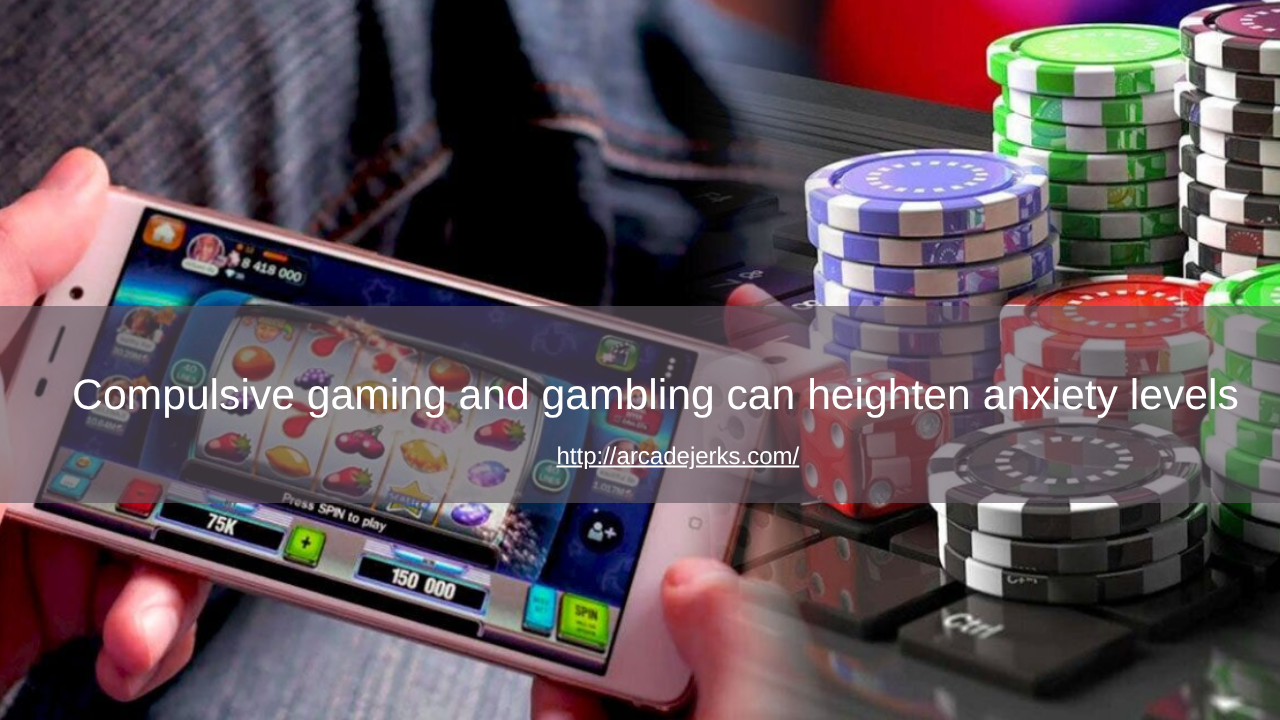
Compulsive gaming and gambling can heighten anxiety levels. The pressure to win, beat levels, or maintain rankings often becomes overwhelming, leading to stress that affects sleep, concentration, and overall well-being.

Guilt and Shame

Many individuals struggling with digital addiction experience guilt or shame over the time and money spent online. These feelings can exacerbate emotional distress and lead to cycles of further compulsive behavior as individuals seek temporary relief.

Depression and Isolation

Isolation is a common consequence of excessive gaming or gambling. Social withdrawal, neglect of family and friends, and avoidance of real-life responsibilities can increase feelings of loneliness and depression.

Emotional Instability

Mood swings, irritability, and emotional volatility often accompany digital addiction. Individuals may feel restless or agitated when unable to access games or gambling platforms, which further reinforces dependency.

The Impact on Mental Health

The emotional consequences of compulsive gaming and gambling extend beyond mood and stress. Sleep deprivation, poor nutrition, and reduced physical activity often accompany addiction, leading to additional mental and physical health challenges. Over time, these effects can accumulate, creating a cycle of emotional and behavioral difficulties that can be difficult to break without professional support.

Steps Toward Recovery

Recognizing the emotional toll is the first step toward recovery. Recovery from online gaming and gambling addiction requires both self-awareness and professional guidance.

Professional Support

At Arcade Jerks, individuals receive compassionate care through inpatient and outpatient programs tailored to their unique needs. Licensed therapists use evidence-based methods, including Cognitive Behavioral Therapy, to help individuals identify triggers, develop healthier coping strategies, and rebuild control over their behavior.

Holistic and Faith-Based Approaches

Recovery extends beyond therapy. Holistic approaches, such as mindfulness, physical wellness, and nutrition, help restore balance to mind and body. Faith-based support is also available for those seeking spiritual guidance and strength during the healing process.

Building Healthy Habits

Structured routines, offline social activities, and practical strategies for limiting screen time are essential tools for breaking the cycle of compulsion. Support networks and accountability measures help maintain progress and foster long-term recovery.

Conclusion

While online gaming and gambling can provide enjoyment and social connection, compulsive behavior can take a serious emotional toll. Anxiety, depression, isolation, and guilt are all warning signs that intervention may be necessary.

At Arcade Jerks, compassionate, individualized care helps individuals recognize these patterns and take steps toward recovery. Healing is possible, and with professional guidance, clients can rebuild emotional resilience, restore meaningful relationships, and regain control of their lives. If you or a loved one is struggling with online gaming or gambling, reach out today and take the first step toward a healthier, balanced future.

Trapped in the Screen: Signs Your Gaming or Gambling Habit May Be Out of Control

For many people, gaming and online gambling are exciting ways to unwind after a long day. The virtual world offers an escape, a sense of community, and the thrill of reward. But when hours begin to slip away unnoticed, responsibilities pile up, and emotional stability starts to decline, what once felt like harmless fun may have turned into something more serious. Recognizing the warning signs early can make all the difference in regaining control and beginning the path to recovery.

When Play Turns into Dependence

Gaming and gambling are designed to be engaging. Every win, level-up, or jackpot triggers the brain’s reward center, releasing dopamine, the “feel-good” chemical that encourages repetition. Over time, the brain begins to crave these highs, driving individuals to spend more time and money chasing that same satisfaction. What begins as entertainment can quietly develop into a behavioral addiction, with real emotional and psychological consequences.

Key Signs Your Habit May Be Out of Control

Awareness is the first step to recovery. If any of the following patterns sound familiar, it may be time to take a closer look at your gaming or gambling behavior.

1. Losing Track of Time

Do you often sit down for a quick game or round of betting, only to realize hours have passed? Losing track of time or skipping meals, sleep, or responsibilities to stay online is a common early warning sign.

2. Neglecting Personal Responsibilities

When work, school, or family duties start to suffer, it may indicate a deeper issue. Many individuals struggling with gaming or gambling addiction report declining performance at work or strained relationships due to constant preoccupation with screens.

3. Emotional Volatility

Mood swings, irritability, and anxiety when unable to play or bet are strong signs of dependency. Emotional distress, especially when trying to cut back, reflects how deeply the habit is affecting your mental well-being.

4. Financial Problems

For gamblers, losses can quickly spiral out of control. Chasing losses or borrowing money to keep playing creates financial and emotional turmoil. Even in gaming, excessive spending on in-app purchases or microtransactions can become destructive.

5. Isolation from Others

Many people who struggle with online addiction withdraw from social life. Avoiding friends, skipping events, or preferring the virtual world over real connections can indicate that gaming or gambling has become the central focus of daily life.

The Mental Health Impact

Addictive gaming and gambling behaviors can lead to anxiety, depression, and feelings of guilt or shame. Sleep deprivation, irritability, and poor concentration are common. Over time, these issues can erode confidence and damage relationships. What starts as digital entertainment can quietly become a source of deep emotional pain.

At Arcade Jerks, professionals understand that digital addiction is real and deserves compassionate treatment. The focus is not just on breaking habits but also on healing the underlying emotional and psychological causes that fuel them.

Finding Freedom and Recovery

Recovery begins with awareness and support. Recognizing the problem is not a sign of weakness but an act of courage. Treatment options at Arcade Jerks include inpatient and outpatient care, personalized therapy, and holistic healing that integrates the mind, body, and spirit. Whether through individual counseling, group therapy, or faith-based support, clients are guided toward balance, resilience, and renewed purpose.

Breaking free from digital addiction is a process, but with professional help and consistent support, it is entirely possible. Healing means rediscovering joy, building meaningful connections, and living a life that feels real again.

Conclusion

Feeling trapped in the screen does not mean you have to stay there. If your gaming or gambling habits have started to control your life, it’s time to take the first step toward change. Recovery begins with recognition and continues with action.

At Arcade Jerks, compassionate professionals are ready to help you find freedom through holistic, individualized care. Reach out today and take back control of your life—one step, one day, and one choice at a time.

Breaking Free from Digital Addiction: How to Recognize Online Gaming and Gambling Triggers

In today’s digital world, entertainment is only a click away. Online gaming and gambling provide instant excitement, social connection, and the thrill of achievement. For many, these activities are harmless fun, but for some, they become compulsive, controlling behaviors that impact mental health, relationships, and daily life. Recognizing the triggers that fuel digital addiction is the first step toward breaking free and regaining control.

Understanding Digital Addiction

Digital addiction develops when gaming or gambling shifts from a source of enjoyment to a primary coping mechanism. The brain’s reward system responds to wins, achievements, and social validation by releasing dopamine, creating a cycle of repeated behavior. Over time, individuals may find themselves craving these virtual highs, spending increasing amounts of time and money online, and neglecting real-world responsibilities.

Unlike substance abuse, digital addiction is often overlooked because it appears socially acceptable. Gaming and online gambling are common hobbies, making it difficult to recognize when fun has turned into a problem.

Identifying Your Triggers

Triggers are the cues or situations that prompt the urge to play or gamble. Recognizing these triggers is critical to breaking the cycle of addiction.

Emotional Triggers

Many individuals turn to online platforms to manage stress, anxiety, or loneliness. Emotional triggers can include feelings of boredom, frustration, sadness, or isolation. When these emotions appear, the instinct to escape into digital entertainment can be strong.

Environmental Triggers

Certain environments or routines can spark addictive behaviors. This could be sitting in front of a computer after work, checking a phone during idle moments, or being around friends who play or gamble online. Environmental cues often create habitual patterns that reinforce addiction.

Social Triggers

Gaming communities and gambling networks can exert subtle pressure. Leaderboards, social challenges, or peer competition may encourage individuals to keep playing longer than intended.

Financial Triggers

The thrill of winning or the temptation to chase losses can drive excessive gambling. Even small online bets can escalate, creating emotional and financial stress.

Strategies for Breaking the Cycle

Identifying triggers is only the first step. Recovery requires practical strategies and professional support to change behavior and rebuild healthy coping mechanisms.

  • Track Your Habits: Keep a journal of when and why you play or gamble to spot patterns.
  • Set Boundaries: Limit time and money spent on digital entertainment, and create offline routines.
  • Replace Digital Escape: Engage in hobbies, exercise, or social activities to manage stress without screens.
  • Seek Professional Support: Addiction recovery services provide guidance, therapy, and accountability for lasting change.

Professional and Holistic Support

At Arcade Jerks, recovery is approached with compassion, expertise, and personalization. Programs include inpatient and outpatient care, therapeutic counseling, and holistic approaches that address both mind and body. Faith-based guidance is also available for individuals seeking spiritual support.

By combining individualized therapy, mindfulness, physical wellness, and community support, clients learn to identify triggers, develop healthier coping strategies, and rebuild balanced, meaningful lives beyond digital addiction.

Conclusion

Online gaming and gambling can be thrilling, but they can also lead to compulsive behavior that impacts emotional, financial, and social well-being. Recognizing your triggers is the first step toward breaking free from digital addiction.

Recovery is possible with the right tools, strategies, and professional support. At Arcade Jerks, compassionate care and holistic treatment empower individuals to regain control, restore balance, and rediscover life beyond the screen. If you or someone you love is struggling with online gaming or gambling, reach out today and take the first step toward lasting recovery.

Escaping the Virtual Cage: Recognizing and Breaking Free from Online Gaming and Gambling Obsession

In the digital age, entertainment is only a click away. Online gaming and gambling platforms promise excitement, escape, and endless opportunities for success. But what happens when the fun fades and the screen becomes a cage? For many, what starts as a harmless pastime can evolve into a powerful obsession that takes over daily life, relationships, and mental health. Understanding how this happens is the first step toward breaking free from the virtual trap and reclaiming real-world balance.

The Allure of the Virtual World

Online gaming and gambling appeal to something deep within human psychology. Both rely on reward systems that stimulate the brain’s pleasure center, releasing dopamine every time you win, level up, or beat the odds. That rush of satisfaction can be addictive, especially when paired with vivid graphics, instant feedback, and social interaction.

Over time, the brain begins to crave that dopamine hit, driving individuals to spend more time playing or betting. What began as relaxation turns into compulsion. This gradual shift often goes unnoticed until the consequences start to appear—lost sleep, neglected responsibilities, strained finances, and emotional instability.

Recognizing the Signs of Obsession

When Balance Becomes Imbalance

The line between entertainment and obsession is thin. Here are common warning signs that gaming or gambling may be taking control:

  • Thinking constantly about playing or betting, even while doing other tasks
  • Feeling anxious or irritable when unable to engage in the activity
  • Spending more time or money than intended
  • Neglecting relationships, work, or school responsibilities
  • Hiding time or financial losses from family and friends

If these signs sound familiar, it may be time to look honestly at your habits and their impact on your life. Awareness is the key to recovery.

The Mental and Emotional Toll

Online addiction does not just affect the mind—it can impact emotional stability and overall well-being. Many people struggling with gaming or gambling addiction experience anxiety, depression, and guilt. Financial strain can lead to shame, while long hours online often isolate individuals from real-world relationships. Sleep deprivation, poor nutrition, and reduced physical activity only worsen the problem.

The emotional cycle can be relentless: play to feel better, feel worse after playing, and then return to the game to escape again. Breaking that pattern requires courage, commitment, and professional support.

Finding Freedom Through Compassionate Care

At Arcade Jerks, recovery begins with understanding. Addiction is not a failure of willpower but a complex interaction of emotions, environment, and neurological patterns. That is why effective treatment must address the whole person—mind, body, and spirit.

Holistic and Faith-Based Healing

The center offers a comprehensive approach that includes:

  • Inpatient and outpatient treatment programs designed for flexible, personalized recovery.
  • Therapeutic counseling to uncover emotional triggers and rebuild coping skills.
  • Holistic methods such as mindfulness, physical wellness, and nutritional therapy to restore balance.
  • Faith-based support for those seeking spiritual growth and renewed purpose.

Every journey is unique, and each treatment plan is tailored to meet individual needs. The goal is not only to stop harmful behaviors but also to rediscover meaning, confidence, and joy in everyday life.

Step Out of the Virtual Cage

The virtual world can be captivating, but it should never control your life. Recognizing the signs of gaming and gambling obsession is the first step toward freedom. With compassionate guidance and evidence-based care, healing is possible.

At Arcade Jerks, recovery is more than breaking habits—it is about rebuilding hope and reclaiming your future. If you or someone you love feels trapped in the digital cage, reach out today. The path to balance, peace, and restoration begins with one courageous decision to seek help.

The Silent Epidemic: How Gaming and Gambling Are Fueling a New Kind of Addiction

In a world that thrives on technology and instant gratification, entertainment has taken on a new digital form. Online gaming and gambling platforms are accessible 24/7, offering excitement, escape, and community at the click of a button. But beneath the thrill lies a growing concern. This digital culture of constant play and risk-taking is fueling what many mental health professionals now call a “silent epidemic” — behavioral addiction that can be just as destructive as substance abuse.

When Entertainment Turns into Dependency

Gaming and gambling addiction often begin innocently. A few minutes of online play can evolve into hours lost in a virtual world. Over time, individuals find themselves craving the next win, the next achievement, or the next high. What once provided fun and connection can quickly spiral into dependency that impacts mental health, finances, and relationships.

Unlike physical addictions, digital addictions can go unnoticed for months or even years. Because gaming and gambling seem socially acceptable and widely popular, many people fail to recognize when their habits have crossed into dangerous territory.

The Psychology Behind the Addiction

Online games and gambling apps are designed to keep users engaged. Every sound, color, and reward system is intentionally crafted to trigger the brain’s reward center. Each win or accomplishment releases dopamine, the same neurotransmitter activated by drugs or alcohol. Over time, the brain begins to crave that dopamine rush, making it increasingly difficult to stop playing.

For some, gaming provides an escape from real-life stress, loneliness, or emotional pain. For others, gambling becomes a way to chase losses or regain control after financial setbacks. In both cases, the result is often the same: the person feels trapped in a cycle of craving, playing, and guilt.

Recognizing the Warning Signs

If you or someone you know is struggling, awareness is the first step. Common signs of gaming or gambling addiction include:

  • Preoccupation with online games or betting
  • Lying about the time or money spent online
  • Withdrawing from family, work, or social responsibilities
  • Irritability or anxiety when unable to play or gamble
  • Neglecting sleep, meals, or self-care due to screen time

What begins as entertainment can soon become an all-consuming pattern that takes a heavy toll on emotional and spiritual well-being.

Healing from the Digital Trap

At Arcade Jerks, recovery is not just about breaking habits. It is about restoring balance, purpose, and peace of mind. The center provides both inpatient and outpatient care tailored to each person’s unique needs. Their programs integrate evidence-based therapy, faith-centered guidance, and holistic healing methods to address the root causes of addiction.

A Comprehensive Approach to Recovery

  • Therapeutic Support: Licensed professionals guide individuals through cognitive-behavioral and trauma-informed therapies.
  • Holistic Care: Techniques like mindfulness, fitness, and nutritional counseling strengthen the mind-body connection.
  • Faith-Based Healing: For those seeking spiritual growth, faith-centered recovery helps rebuild hope and resilience.
  • Personalized Plans: No two people are the same, and neither are their treatment paths. Each plan is customized for long-term success.

Hope Beyond the Screen

The silent epidemic of gaming and gambling addiction is spreading quietly, but recovery is possible with the right help and commitment. Recognizing the signs early and seeking professional support can make all the difference.

If you are ready to break free from the endless cycle of play and regret, reach out to Arcade Jerks today. Their compassionate team is here to help you reclaim your focus, restore your peace, and rediscover life beyond the screen.