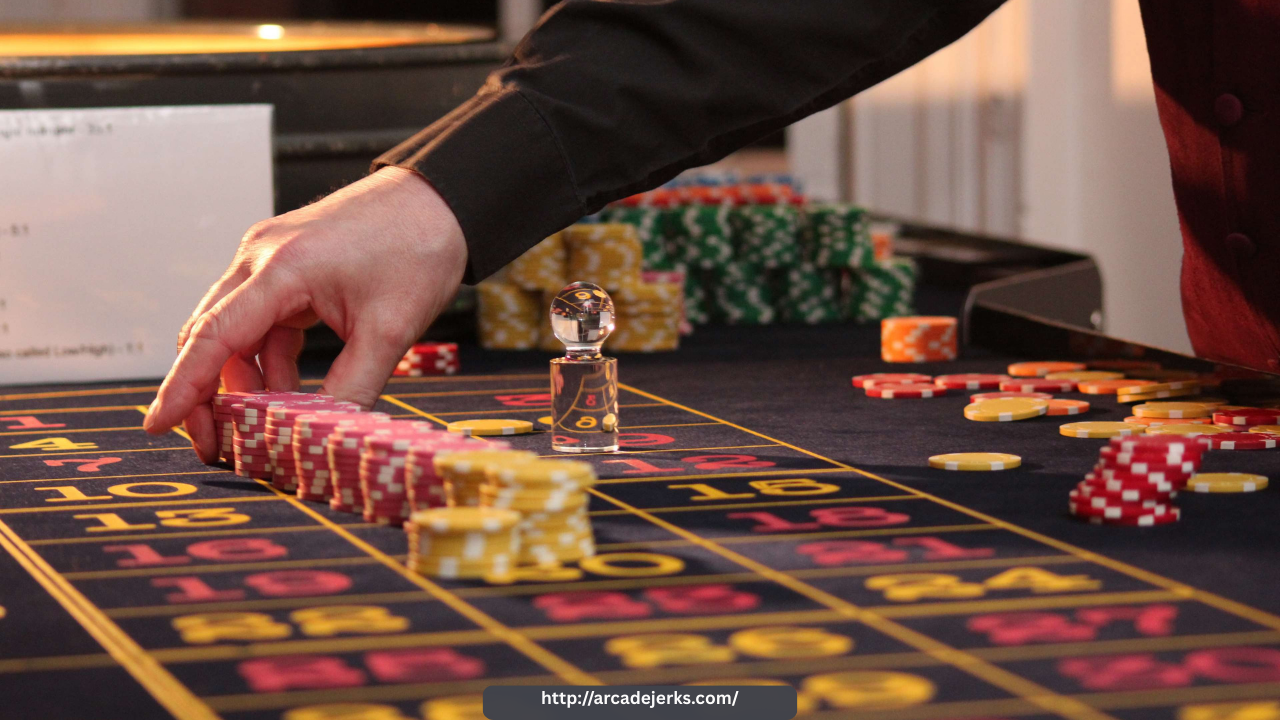
For many people, gambling is an occasional thrill—an exciting way to test luck and enjoy entertainment. But for others, it becomes an overwhelming compulsion. What begins as a game of chance can evolve into a dangerous cycle where every bet feels like a must-win, no matter the cost. At the core of this behavior lies a complex psychological web that fuels gambling addiction, keeping individuals trapped in a loop of hope, risk, and loss.
The Dopamine Effect
One of the key drivers behind gambling addiction is how it affects the brain’s reward system. When someone places a bet and wins, the brain releases dopamine—the same chemical released during pleasurable activities like eating or exercising. But unlike natural rewards, gambling creates an unpredictable and intermittent reward system. This uncertainty actually triggers more dopamine than predictable outcomes, making the brain crave the next win even more.
This is why, for someone developing a gambling problem, it’s not just about money—it’s about chasing that chemical high. Even when they lose, the anticipation of a win keeps them coming back for more.
The Illusion of Control
Another psychological factor is the illusion of control. Many gamblers believe they can influence the outcome of a game through skill, luck, or “lucky” rituals. In reality, most gambling activities are governed by chance. But this illusion gives gamblers a false sense of power, encouraging them to keep playing—even after repeated losses.
This belief often leads to “chasing losses”—the idea that a big win is just around the corner and that playing more will eventually pay off. Unfortunately, this often results in even greater losses and deeper addiction.
Cognitive Distortions and Superstitions
Gamblers frequently develop distorted thinking patterns. They may misinterpret past events, believe in hot or cold streaks, or think a machine is “due” for a payout. These irrational beliefs create a false hope that fuels continued betting.
Superstitions are also common—lucky numbers, rituals, or charms that gamblers believe will bring success. These habits reinforce the illusion that outcomes are within their control, making it harder to stop gambling.
Emotional Escape and Reinforcement
For many, gambling provides an escape from stress, anxiety, loneliness, or depression. The excitement and distraction temporarily push negative emotions aside. However, when losses occur, the emotional pain intensifies—leading to further gambling in an attempt to numb the discomfort. This cycle of emotional reinforcement keeps people locked in addictive behavior.
Breaking the Cycle
Understanding the psychology behind gambling addiction is the first step toward recovery. Recognizing the distorted thoughts, emotional triggers, and brain chemistry involved helps explain why willpower alone is often not enough to stop.
Treatment often includes therapy such as Cognitive Behavioral Therapy (CBT), which helps individuals identify and change harmful thinking patterns. Support groups like Gamblers Anonymous offer community and accountability. Financial counseling and self-exclusion programs can also be valuable tools in regaining control.
Conclusion
Gambling addiction is not simply about poor choices—it’s a deeply rooted psychological condition. When every bet feels like a must-win, it’s time to pause, reflect, and seek help. With support and the right tools, recovery is not only possible—it’s life-changing.