In our digital world, online gaming and gambling have become more than just hobbies—they’re woven into daily routines, social interactions, and even personal identities. While these activities can offer excitement, stress relief, and entertainment, they can also quietly evolve into dangerous habits. For some, what began as a fun pastime slowly transforms into a compulsive behavior, leading to mental, financial, and emotional distress. Recognizing when a hobby becomes a harmful habit is essential in taking the first steps toward recovery.
When Fun Becomes a Fixation
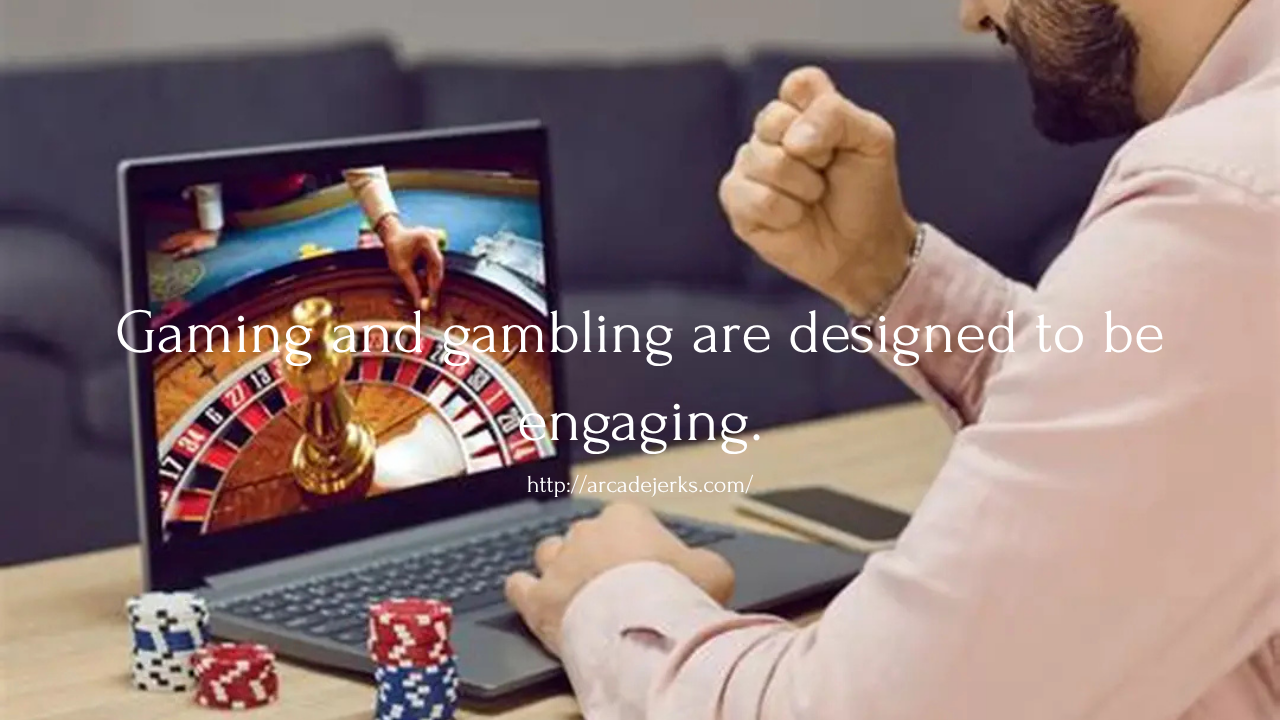
Gaming and gambling are designed to be engaging. Online games reward progress with points, levels, and achievements, while gambling promises the thrill of winning money. Both activate the brain’s reward system, releasing dopamine—the same chemical involved in drug and alcohol addiction. This feel-good response keeps people coming back for more, often without realizing how much time or money they’re spending.
Over time, what starts as recreational play can dominate your life. You might begin skipping meals, losing sleep, or avoiding responsibilities just to keep playing or betting. The shift from choice to compulsion is gradual but powerful.
Signs of Gaming and Gambling Addiction
Recognizing the signs early can prevent deeper struggles. Here are some red flags to watch for:
- Loss of Control: You find it difficult to stop playing or gambling, even when you want to.
- Neglect of Daily Life: Work, school, or relationships suffer due to your digital habits.
- Escapism: You rely on gaming or gambling to cope with stress, anxiety, or depression.
- Financial Consequences: You spend more money than intended, or gamble to “win back” losses.
- Secrecy and Guilt: You hide your activity or feel ashamed after playing or betting.
- Withdrawal Symptoms: You feel restless, anxious, or irritable when not engaging in the behavior.
If these symptoms sound familiar, it may be time to reevaluate your relationship with gaming or gambling.
Steps Toward Recovery
- Admit the Problem
The first and hardest step is acknowledging that your hobby has become unhealthy. Be honest with yourself and others about how it’s affecting your life. - Set Boundaries
Limit your time and money spent on games or gambling apps. Use screen timers, budgeting tools, or self-exclusion features on gambling websites. - Replace with Healthy Habits
Find new ways to fill the void. Exercise, social activities, creative projects, or learning new skills can offer healthier forms of stimulation and achievement. - Seek Professional Help
Therapists specializing in behavioral addiction can help uncover the root causes and offer tools to regain control. Cognitive Behavioral Therapy (CBT) is especially effective in changing compulsive behaviors. - Join Support Networks
Groups like Gamblers Anonymous or online forums for gaming addiction provide encouragement, accountability, and shared experiences.
Conclusion
Online gaming and gambling may start as harmless fun, but they can quickly spiral into addiction. The journey from hobby to habit is subtle, but recovery is always possible. By recognizing the signs and taking action, you can reclaim your time, your focus, and your life—one healthy choice at a time.