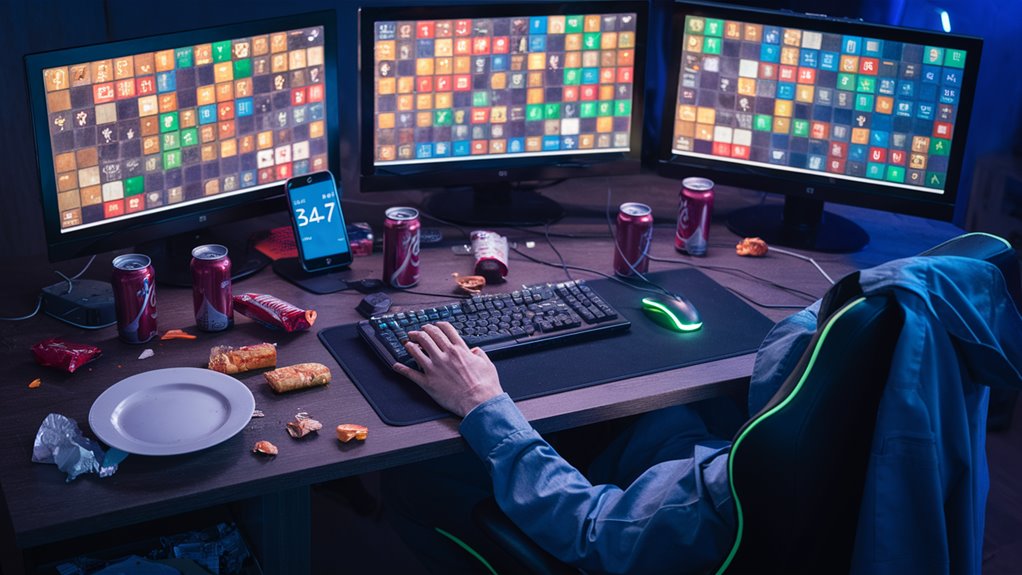
Online gaming can offer connection, excitement, and a sense of achievement. For many people, it is a healthy and enjoyable activity. However, when gaming begins to take control of daily life, it can become more than just a habit. It can turn into a pattern that affects mental health, relationships, sleep, and overall well-being. Escaping the screen is not about rejecting gaming entirely. It is about restoring balance with compassionate support and practical tools for change.
Understanding Online Gaming Addiction
Online gaming addiction, also known as gaming disorder, develops when gaming becomes the primary way a person manages emotions, stress, or boredom. Over time, it can replace essential parts of life such as work, school, social interaction, and self-care.
This condition is not a reflection of weakness or lack of discipline. It is often connected to underlying emotional struggles such as anxiety, depression, trauma, or loneliness. Understanding this helps reduce shame and opens the door to healing.
Common Signs of Online Gaming Addiction
Recognizing the signs early can make recovery more manageable. These may include:
- Spending increasing amounts of time gaming despite negative consequences
- Feeling irritable, anxious, or restless when not playing
- Neglecting responsibilities, hygiene, or sleep
- Losing interest in real-world relationships or activities
- Using gaming as an escape from stress or emotional discomfort
If these patterns feel familiar, it may be time to explore supportive options for recovery.
Why Compassion Matters in Recovery
One of the biggest barriers to seeking help is shame. Many individuals feel guilty or frustrated with themselves for struggling to control gaming habits. However, recovery begins with compassion, not judgment.
Compassion allows individuals to see their behavior as something that can be understood and changed, rather than something to be punished. This mindset shift is essential for long-term healing and growth.
Compassionate Support for Recovery
Overcoming online gaming addiction often requires a combination of personal effort, structured guidance, and professional care. A supportive and individualized approach increases the chances of lasting recovery.
Professional Addiction Recovery Services
Inpatient and outpatient programs provide structured support for individuals struggling with compulsive gaming. These programs often include therapy, behavioral counseling, and life skills development. The goal is to help individuals rebuild healthy routines and regain control over their time and attention.
Mental Health Treatment
Online gaming addiction is often linked to underlying mental health challenges. Treatment may address anxiety, depression, trauma, or stress-related conditions. By treating both gaming behavior and emotional health, individuals are more likely to achieve sustainable recovery.
Holistic and Individualized Care
Holistic approaches focus on the whole person, not just the behavior. This may include mindfulness practices, physical wellness, nutrition, and spiritual support. Faith-based care can also provide meaning, structure, and emotional grounding for those who value spiritual growth in their recovery journey.
Practical Steps to Begin Escaping the Screen
While professional support is important, there are also practical steps individuals can begin using immediately to reduce compulsive gaming.
Create Healthy Structure
Establishing a daily routine helps reduce the urge to game excessively. Include regular sleep, meals, work or school responsibilities, physical activity, and time for offline hobbies.
Identify Emotional Triggers
Understanding what leads to excessive gaming is essential. Stress, boredom, loneliness, or emotional discomfort are common triggers. Once identified, healthier coping strategies such as walking, journaling, or talking with someone supportive can replace the urge to play.
Rebuild Offline Connections
Isolation can reinforce gaming addiction. Reconnecting with friends, family, or community activities helps restore balance and emotional stability.
Set Gentle Boundaries
Start by setting realistic limits on gaming time. Gradual change is often more effective than sudden restriction, which can feel overwhelming.
Moving Toward a Healthier Balance
Recovery from online gaming addiction is not about removing enjoyment from life. It is about creating balance so that gaming becomes one part of a fulfilling life rather than the center of it. With the right support, individuals can regain focus, rebuild relationships, and rediscover purpose beyond the screen.
Conclusion: You Do Not Have to Do This Alone
If online gaming is starting to feel difficult to control, support is available. Compassionate addiction recovery services and mental health treatment can provide the structure, guidance, and understanding needed to create lasting change.
Reaching out is a strong first step. With the right help, it is possible to escape the screen, restore balance, and build a healthier and more meaningful life.